



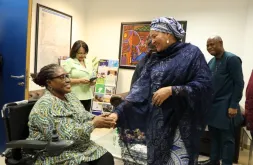
Ekaete Judith Umoh’s arrival at the United Nations House in Abuja marked more than just a new job—it signaled a shift. She is the first Inclusion Coordinator in the United Nations Resident Coordinators Offices (UNRCO). As she rolled through the gates, a wheelchair user, Judith, was greeted by a gesture of respect. She is one of many persons with disabilities across West and Central Africa, who are taking on volunteer assignments for key roles within the UN system, turning inclusion from theory into practice.
Meet Judith from Nigeria
Judith has spent years fighting for change—and now she’s making it happen from inside the UN. As Nigeria’s former top disability rights leader, she pushed for persons with disabilities to be seen as changemakers, not charity cases. Today, she’s leading on multiple fronts: tracking progress on the Disability Inclusion Scorecard, advising agencies, and building strong partnerships. Her impact is already visible—from shaping Nigeria’s Voluntary National Review, securing leadership commitments on disability inclusion, and even pushing for physical changes to make the UN House more accessible, including a new ramp connecting the main building to the clinic.
Her supervisor, Suzanne Suh, Senior Development Officer and Head of Office, shares, “It has been a very good opportunity for the UN Resident Coordinator’s Office to have Ekaete on board. She has been working to ensure that the UN Disability Inclusion Strategy is enforced at the country level—representing the Resident Coordinator at disability-related events and consulting with organizations of persons with disabilities on advocacy issues.”
Here's Damba from Togo
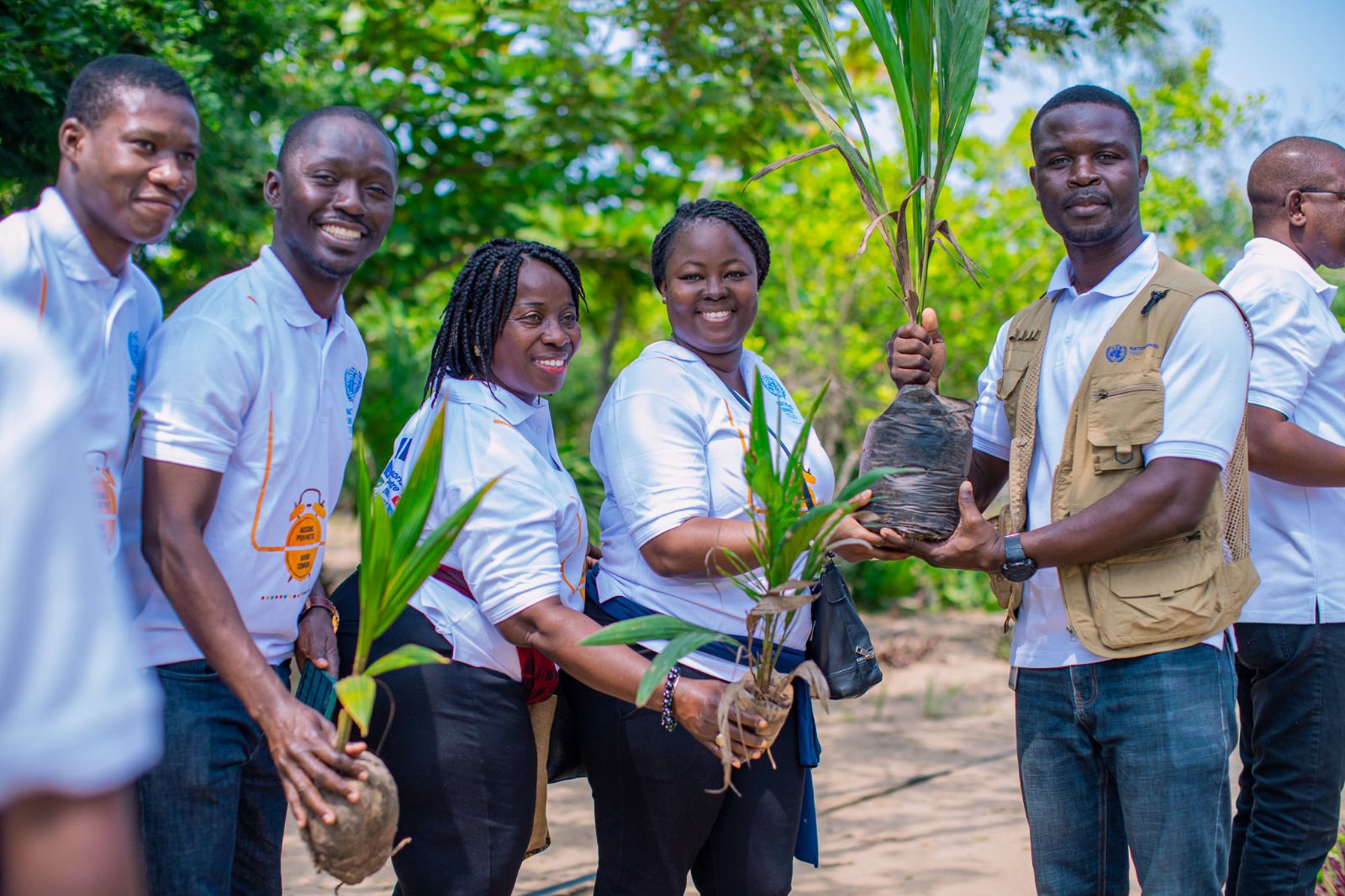
Like Judith, Damba Mana Nikabou knows what it means to break through barriers. Growing up with a hearing impairment, she faced unfair hiring practices and limited access to training. Today, she’s working as Gender, Youth, and Disability Inclusion Assistant at the UN in Togo, making sure disability is part of the UN’s everyday work on equality and human rights. “This has been the most rewarding professional experience I’ve had,” she says. “I feel accepted, listened to, and able to contribute fully.”
Damba's trained 80 UN staff on disability inclusion, delivered monthly analysis on gender and disability, and helped 20 young graduates with disabilities find their way into the UN system. Thanks to her, UN communications in Togo now come with subtitles, alt text, and accessible design. Her message is simple: inclusion isn’t theory—it’s how we work.
Let's hear it from Chansiline in Cameroon
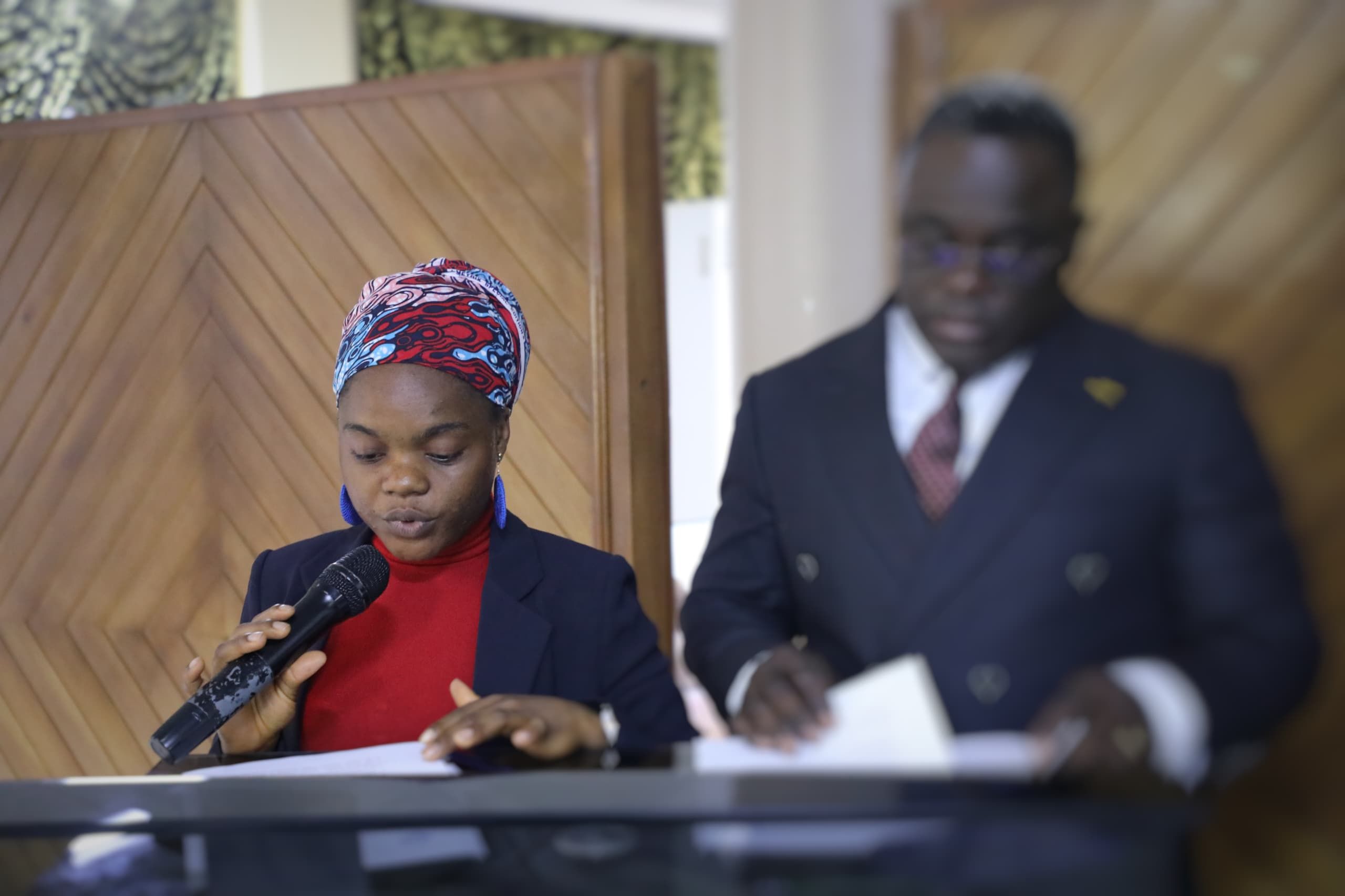
In Cameroon, Chansiline Nanze is making sure voices like hers are heard. A journalist with a mobility impairment, she’s now the UN’s Media Analysis Specialist—tracking headlines, social media buzz, and political commentary to keep UN leaders informed and engaged. She’s not just behind the scenes: in June 2025, she co-hosted a major national dialogue on electoral reform, bringing together politicians, civil society, and international partners. Inclusion, for her, means being at the table—and helping build on the conversation. “It is equity and leaving no one behind. Disability is not inability, it’s a mindset, not a limitation,” she says.
Inclusion from the inside out
Judith in Nigeria, Damba in Togo, and Chansiline in Cameroon aren’t just ticking boxes—they’re rewriting the rules. Thanks to a bold initiative by UNV and the UN Development Coordination Office (DCO), disability inclusion specialists are now embedded in UN Resident Coordinators' Offices. This isn’t about policy—it’s about power.
As Chansiline says, their work sends a message far beyond the offices they serve: “When people with disabilities are given space and recognition, we don’t just join the conversation. We lead it.”