



A resolution in New York sparked a global movement, but its real power lies in the millions of volunteers who pass hope and create opportunity.
This is the year the world took notice of volunteers.
A resolution in New York. Millions of people in action. One global movement that was 25 years in the making.
A flood cuts off a village.
A young person organizes a clean-up campaign in their neighbourhood.
A volunteer firefighter rushes toward danger while others are running away.
A football fan arrives in a new country and is greeted by a volunteer who helps them find their way.
Most of these moments never make headlines.
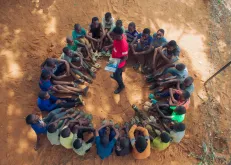
Yet every day, volunteers hold communities together. A volunteer helps a child. Years later, that child may become the teacher, nurse, mentor, or community leader who helps someone else. One act of service leads to another. Communities are built this way, through an endless chain of people choosing to show up for one another. It is the circle of life in action, quietly shaping the future, often without recognition.
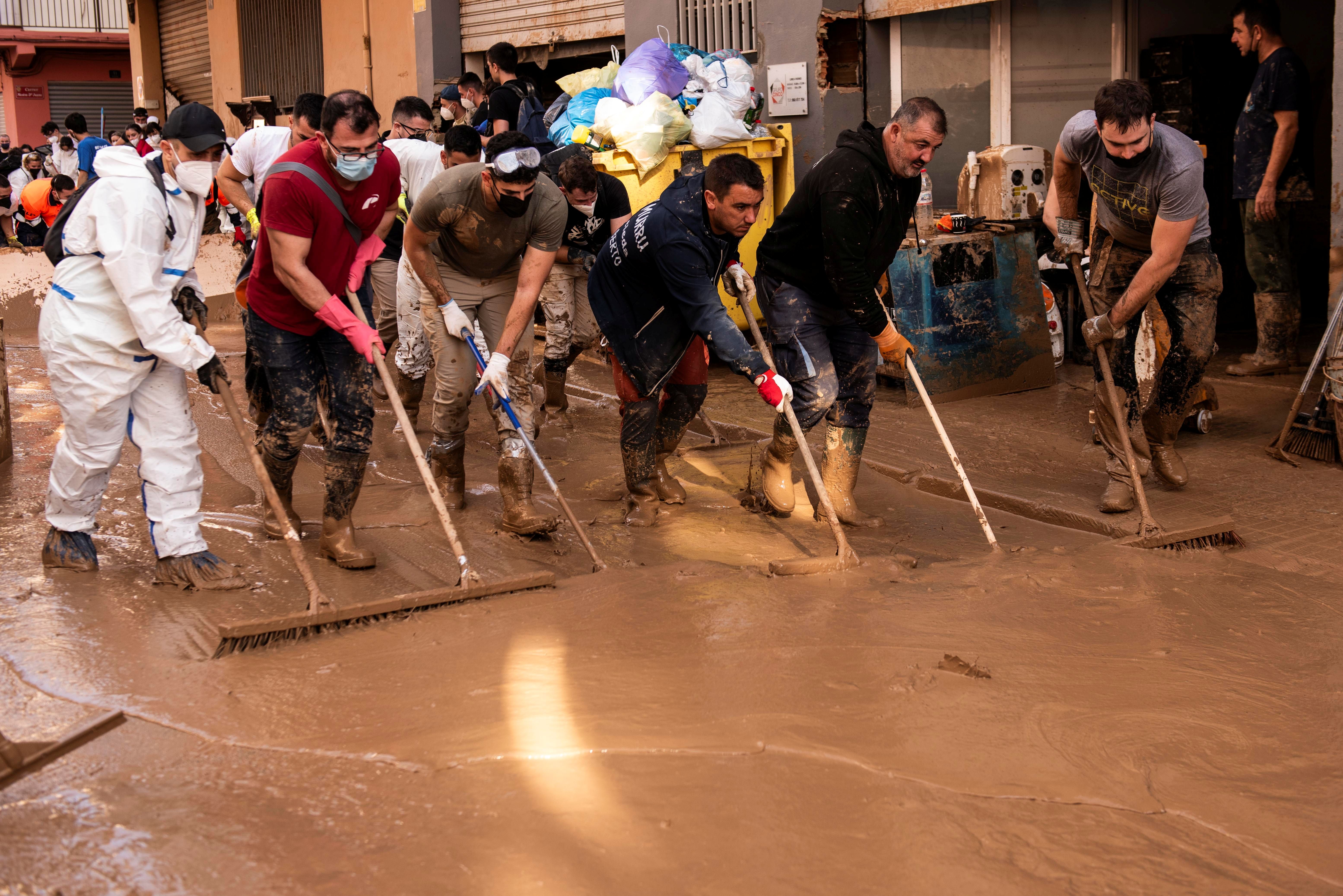
For years, volunteers have been doing exactly that. They help communities recover from disasters, support education, protect the environment, care for vulnerable neighbours, and build trust where it is needed most. They are often the first to step forward when a crisis hits and the last to leave when the cameras are gone.
In 2026, the world decided it was time to pay attention.
A Decision That Started a Movement
The story began in 2023.
That year, the United Nations General Assembly adopted a resolution declaring 2026 the International Volunteer Year for Sustainable Development, 25 years after the first International Year of Volunteers in 2001.
The message was simple: volunteers are not a side story. They are a vital part of how communities solve problems, recover from crises and create change.
The resolution was backed by 54 Member States from every region of the world, signaling rare global agreement on one thing: volunteerism matters.
Building the Momentum
The declaration was only the beginning.
Through 2024 and 2025, the United Nations Volunteers worked with governments, civil society organizations, researchers and communities to prepare for a year that would place volunteers at the center of the global conversation.
The goal was not simply to celebrate volunteering.
It was to change how the world thinks about it.
How do we better recognize volunteer contributions? How do we support volunteers? How do we ensure their work is reflected in policies and decisions that shape communities?
By the end of 2025, the movement was ready.
The World Takes Notice
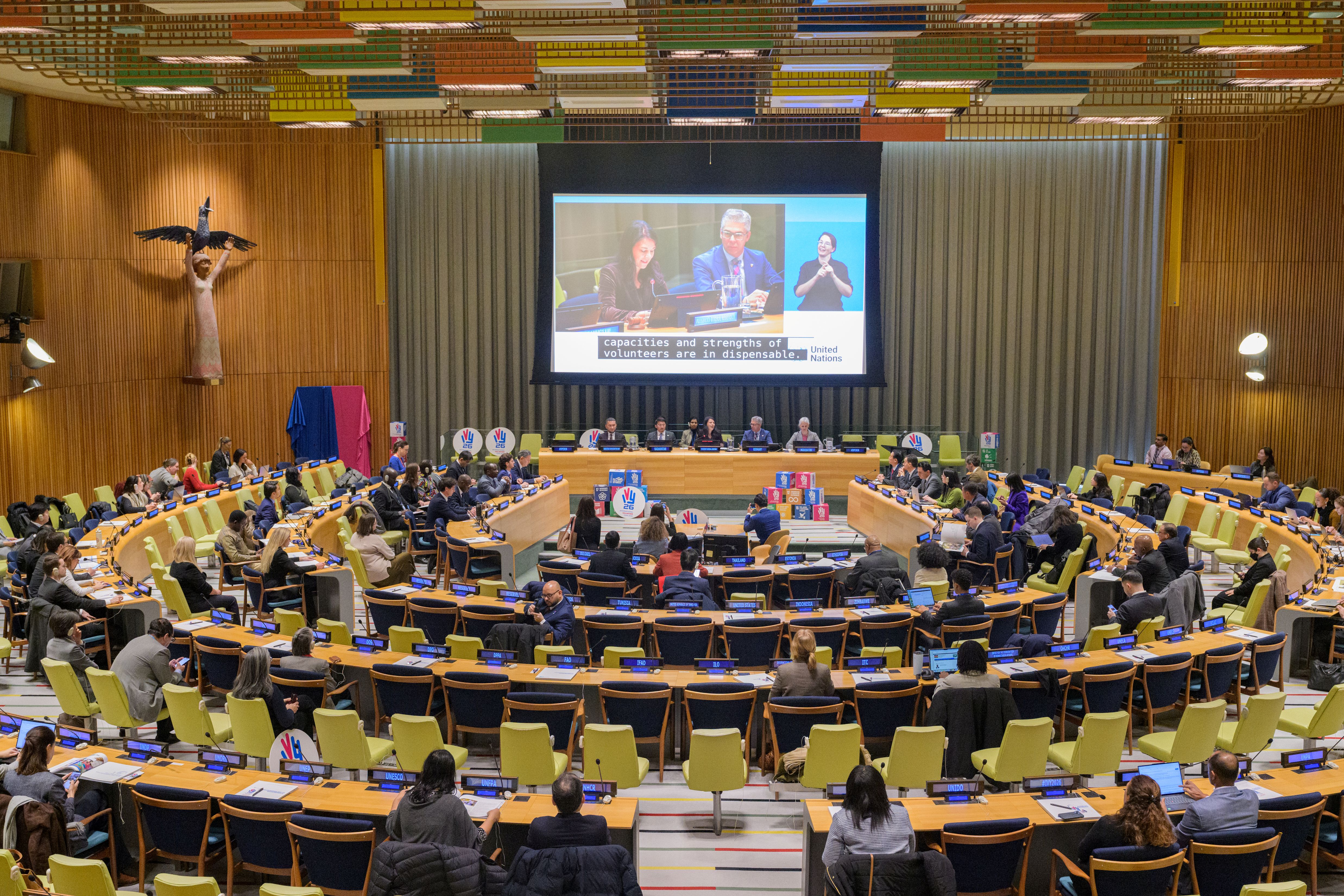
In December 2025, the International Volunteer Year 2026 was officially launched at the United Nations Headquarters in New York.
At the same time, the 2026 State of the World's Volunteerism Report offered fresh evidence of something volunteers already knew: their contributions are helping build stronger communities, support peace, and improve lives around the world.
But the real story was unfolding far beyond New York.
From large cities to remote villages, volunteers were already turning the International Year into something much bigger than a UN observance.
From Resolution to Reality
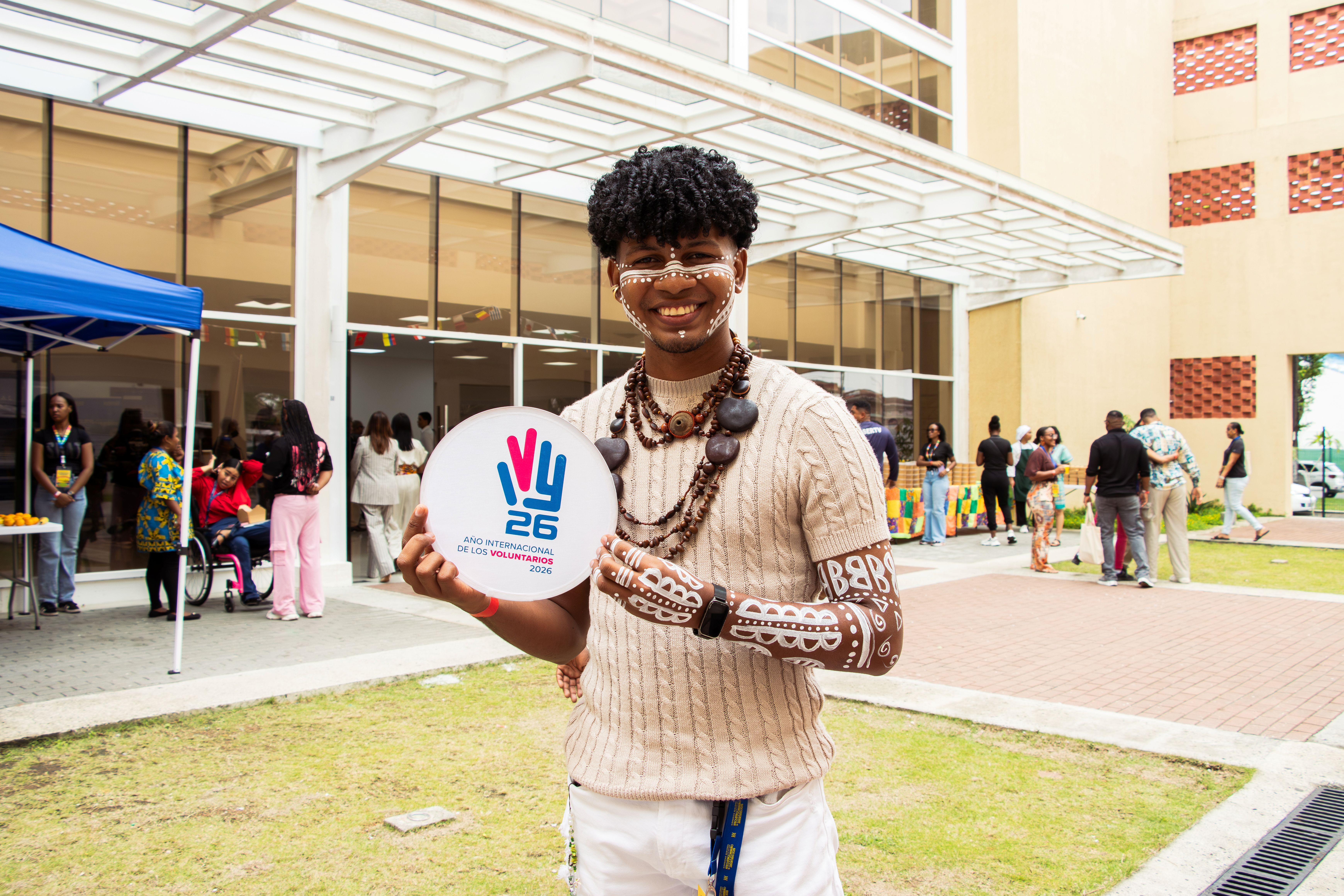
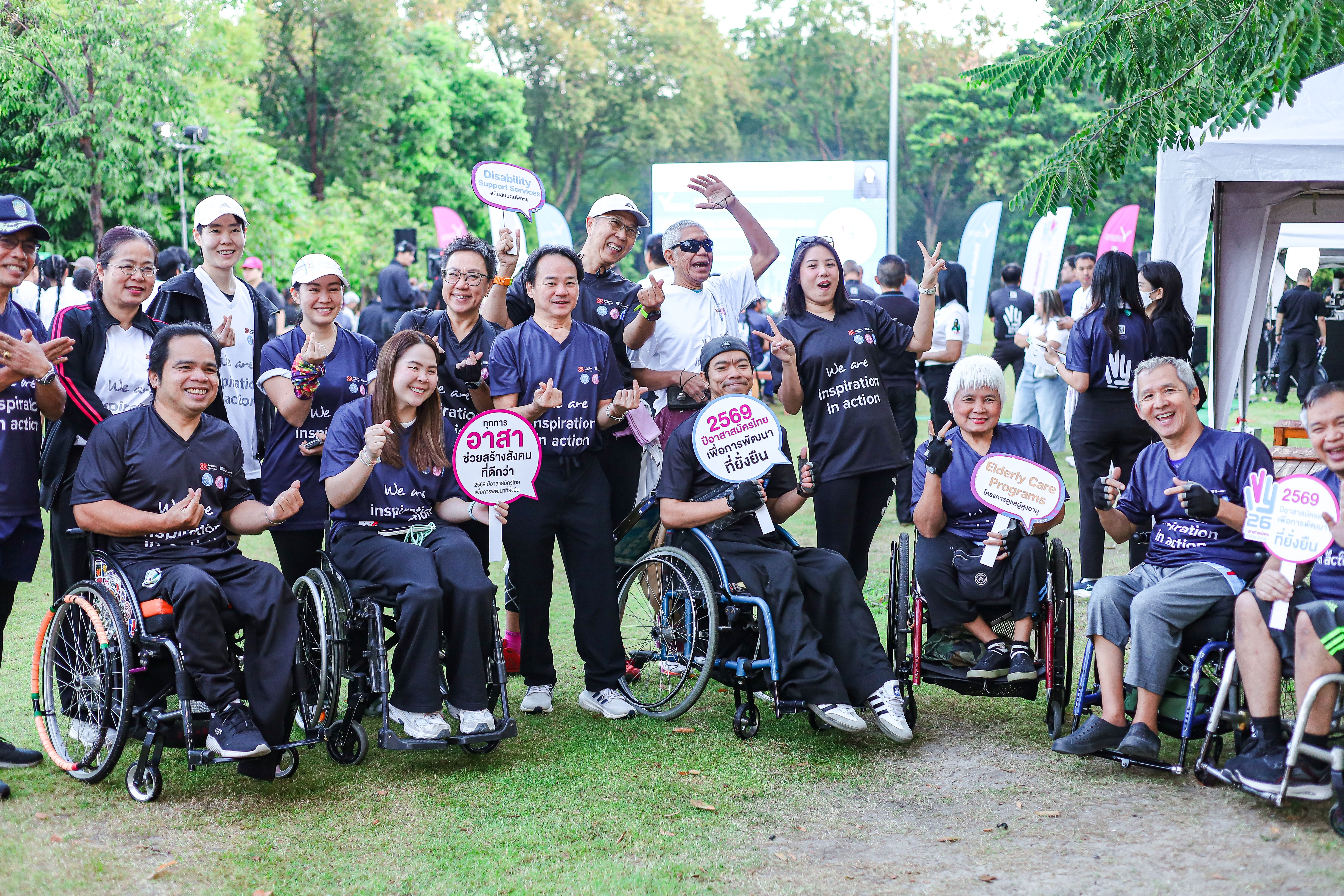
By 2026, more than 60 countries were organizing activities, campaigns and events under the banner of the International Volunteer Year.
Across continents, communities shared stories of people giving their time, skills and energy to tackle local challenges.
Some worked to restore interconnected systems.
Some supported children and young people.
Others helped communities prepare for disasters, support migrants, strengthen public services or bring people together across social divides.
Different places. Different challenges.
The same spirit.
The International Volunteer Year revealed a simple truth: volunteerism looks different everywhere, but its impact is universal.
From the General Assembly to Communities Worldwide
As momentum for IVY 2026 grew, the message reached some of the highest levels of international leadership. The former President of the United Nations General Assembly became a visible champion of the International Volunteer Year, repeatedly drawing attention to the people whose actions rarely make headlines but often make all the difference. By elevating volunteer stories and contributions throughout the year, the President helped turn volunteerism from a topic often overlooked into a global conversation about how communities overcome challenges and build hope together.
A Powerful New Ally
Then, in May 2026, the movement gained an unexpected champion.
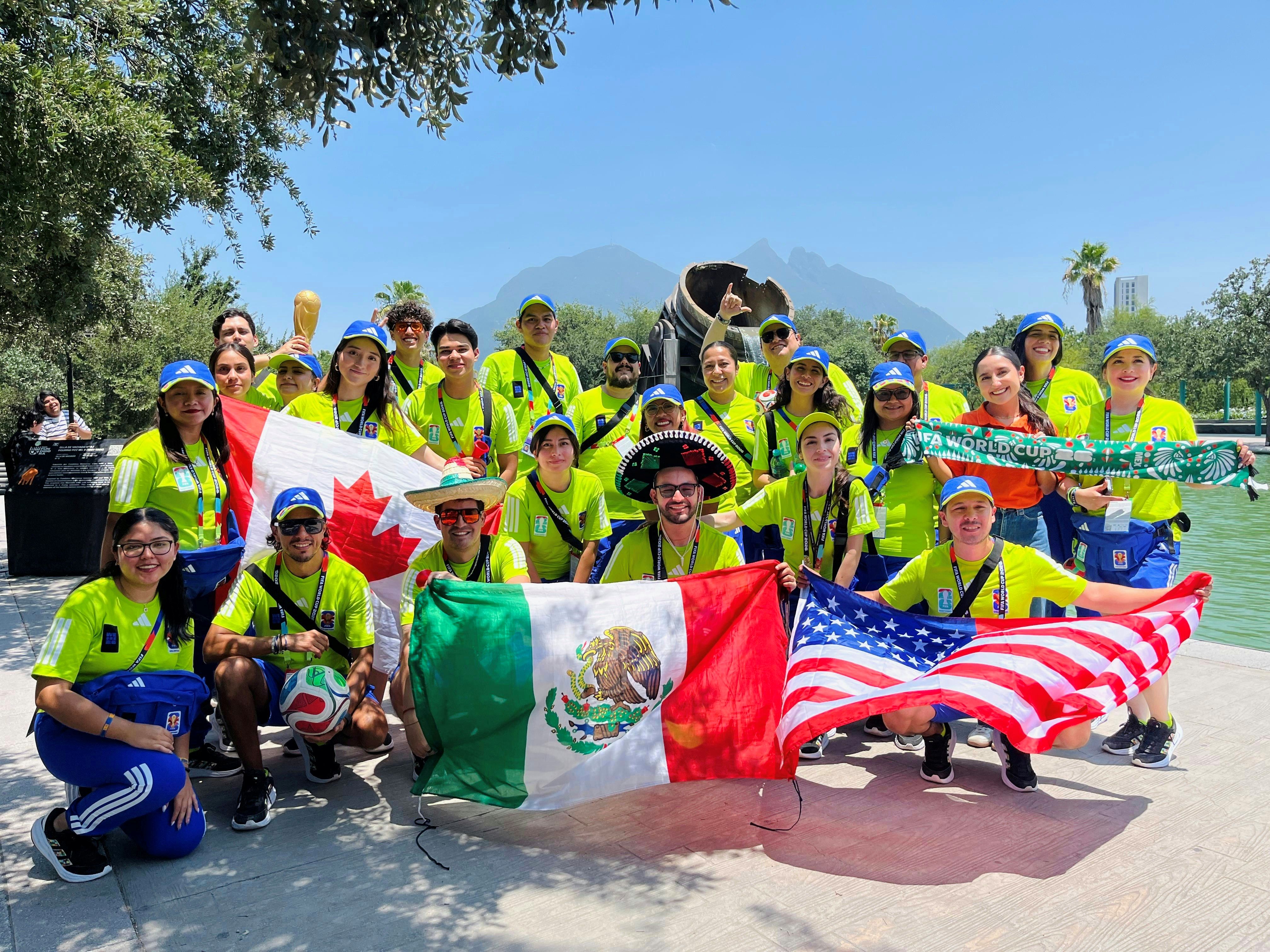
FIFA formally joined the United Nations in supporting the International Volunteer Year. The connection made perfect sense.
Around the world, football depends on volunteers. Today, FIFA's volunteer community includes more than 2.5 million people. An estimated 50,000 volunteers supported the FIFA World Cup 2026 across Canada, Mexico and the United States. They welcomed visitors, guided fans, solved problems, and helped create memorable experiences for millions of people.
Their work reflected the same principle at the heart of the International Volunteer Year: when people give their time to help others, communities become stronger.
Powered by People
The International Volunteer Year was never intended to belong to the United Nations alone. From the beginning, civil society organizations helped shape the movement.
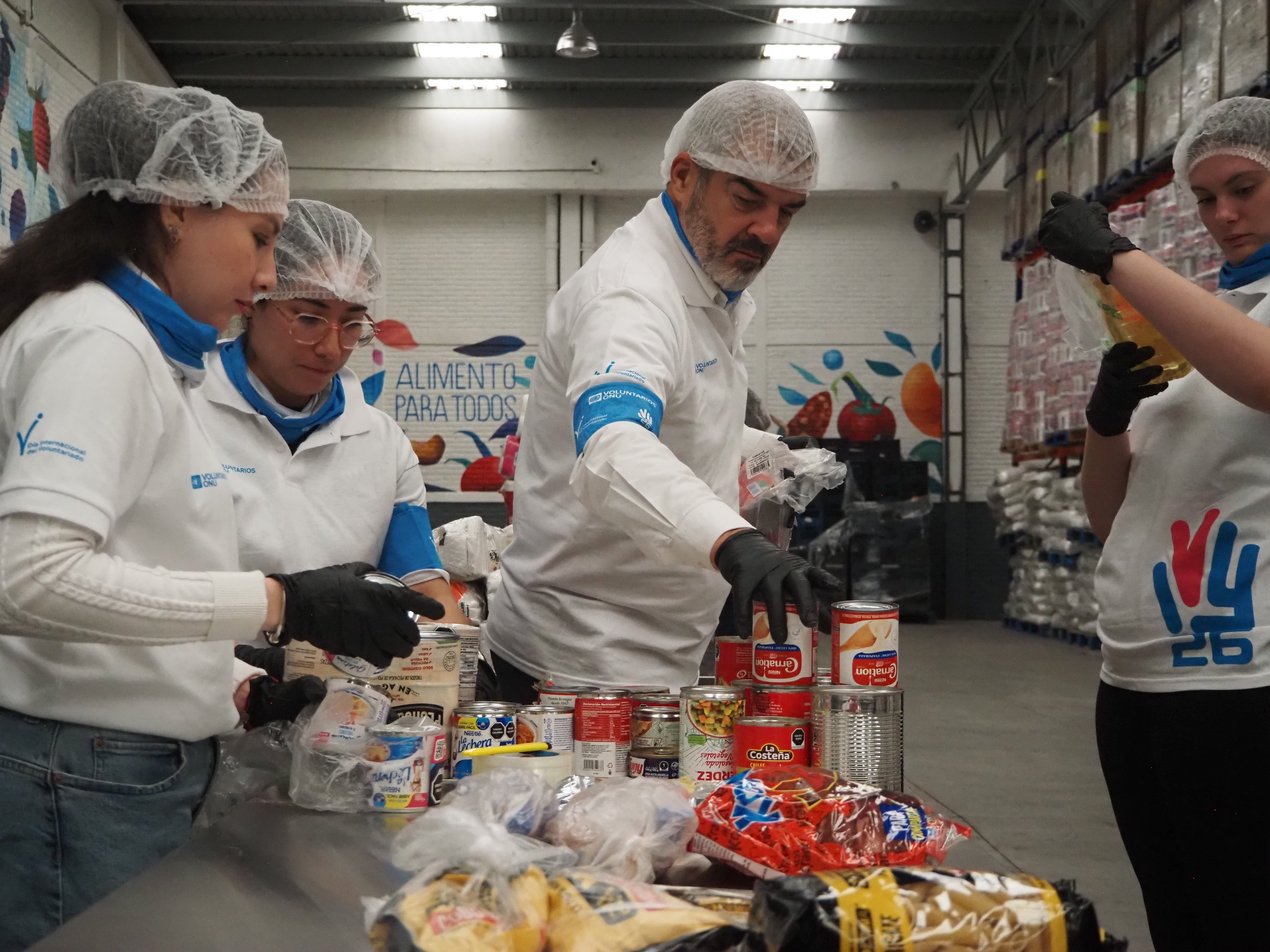
Networks, volunteer organizations, researchers and community groups brought volunteers' voices into the conversation. They organized dialogues, contributed evidence, mobilized supporters and advocated for stronger recognition of volunteer action.
One of the most significant outcomes was a global Call to Action for the Future of Volunteering, developed through partnerships that brought together volunteers, practitioners, policymakers and civil society leaders from around the world.
Together, they asked a simple question: What would happen if the world invested in volunteerism as seriously as it invests in other drivers of development?
The Final Chapters
Two landmark events mark the end of the International Volunteer Year.
In October 2026, the United Nations Postal Service launched commemorative stamps honouring volunteers and their contributions around the world.
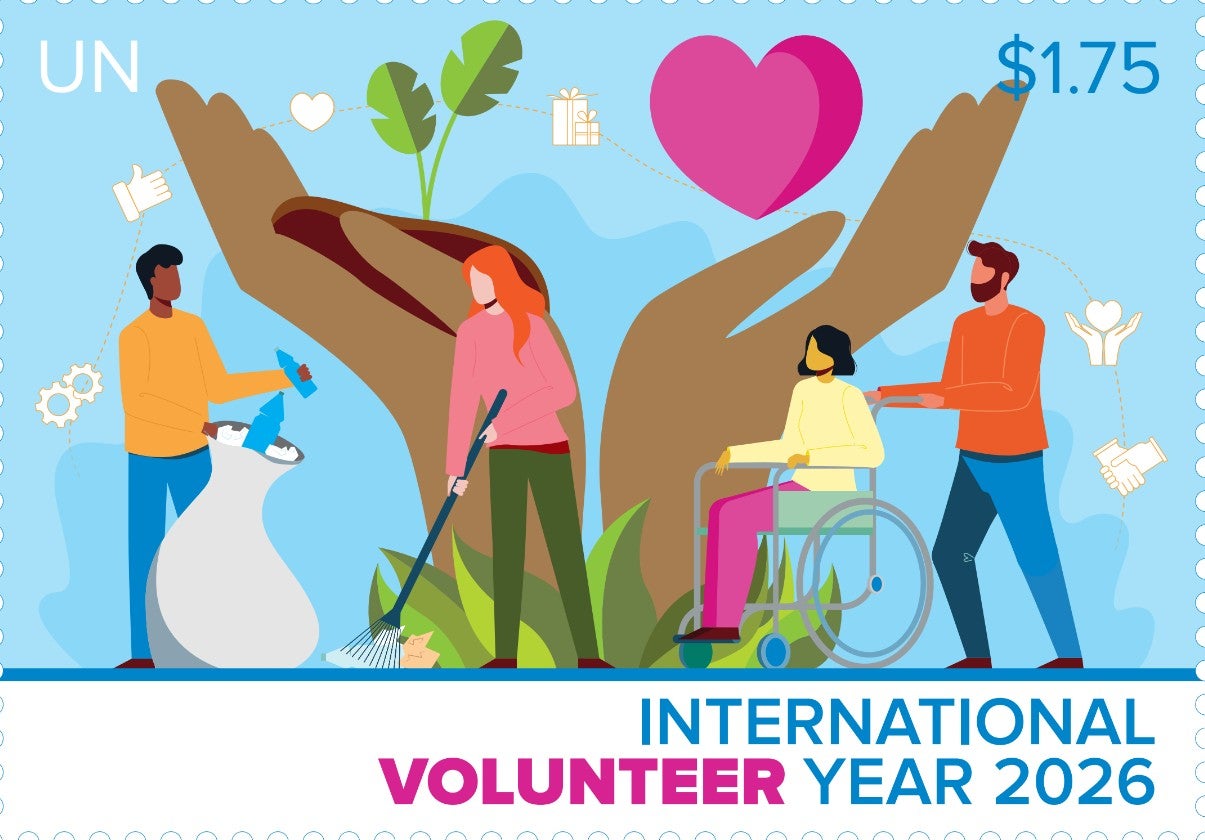
Then, on 4 December, representatives from governments, volunteer organizations, civil society and the United Nations will gather in New York for the closing event.
There will be stories. There will be celebrations. There will be reflections on a remarkable year. But the most important conversation will be about what comes next.
The Real Legacy
The success of the International Volunteer Year will not be measured by the number of events held or speeches delivered.
It will be measured by what remains after the banners come down.
- Will governments better recognize volunteer contributions?
- Will communities invest more in volunteer programmes?
- Will more people have the opportunity to contribute their time and skills?
- Will volunteerism become a stronger part of how societies respond to the challenges ahead?
Those questions matter because the world is not running out of problems. It is running short of solutions that bring people together. Volunteerism does. That is why the story of IVY 2026 does not end in December.
Because long after the commemorative stamp is issued and the closing ceremony concludes, volunteers will still be there. Responding to disasters. Supporting neighbours. Protecting communities. Creating change.
As they always have. The difference now is that the world is finally paying attention.
Volunteerism is the circle of life in action: people lifting others, who go on to lift others in turn. Long after the banners come down and the celebrations end, that cycle will continue. Because the true legacy of IVY 2026 is not a year. It is a chain of human action that keeps moving forward, generation after generation, quietly shaping a more hopeful world.
This content is published in the UN Today November edition [pages 44-47].