



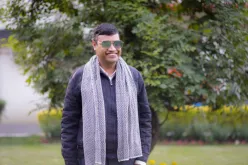
“I lost my sight, but I never lost my vision.” With these words, UN Volunteer Sushil Adhikari sets the tone for a story of resilience and purpose. From facing discrimination and isolation as a child to becoming a voice for inclusion, he reminds us that advocacy is not just about speaking up—it’s about breaking barriers and creating a world where everyone belongs. On this International Day of Persons with Disabilities, we spotlight Sushil from the Youth Advocates programme, a collaboration of the United Nations Children's Fund (UNICEF) and the United Nations Volunteers (UNV).
The Youth Advocates programme aims to give young people, including those with disabilities, a one-year professional experience through a UN Volunteer assignment with UNICEF to protect children’s rights.
In 2024, twenty Youth Advocates became champions of children's rights in their home countries, which included Bhutan, Congo, Democratic Republic of the Congo, Iran, Kenya, Liberia, Moldova, Mozambique, Namibia, Nepal, Peru, Rwanda, São Tomé, Senegal, Thailand, Türkiye, and Zimbabwe.
Let’s hear from Youth Advocate Sushil in Nepal, a Disability Inclusion and Engagement Officer, who believes true vision transcends sight.
What inspired you to become a Youth Advocate?
“At 11 years old, I lost my sight—but I never lost my vision, my purpose, or my determination. Those have carried me to where I stand today. From an early age, I felt a deep need to stand up for what is right. In the communities where I grew up, disability was often seen as a curse—a punishment for past mistakes. My family and I faced discrimination, isolation, and countless hardships. Those struggles lit a fire in me. They shaped my dream: to change how people see disability and to show its true meaning. That dream led me to youth and disability rights activism. Over time, I became an advocate—speaking for those without a voice, challenging stigma, and fighting for the rights of young persons with disabilities. We need to be seen.”
What have been the key challenges and rewards of your assignment?
“When I moved from being an activist to an advocate within the UN system, this UN assignment with UNICEF Regional Office for South Asia (ROSA) became one of the most rewarding experiences of my life. Supporting children and young people is deeply personal to me, and I’ve embraced every moment of this journey. My grassroots work taught me how to help young people discover their potential and raise their voices for change. Those lessons shaped my approach here—integrating disability inclusion into both programmes and operations. I’ve led knowledge-sharing sessions, organized webinars, and pushed for children and young people with disabilities to be involved from the very start—not as participants, but as partners. Building cross-sector partnerships, embedding inclusion across every level, and launching innovative campaigns to strengthen capacity within UNICEF and the UN system have been some of the most fulfilling parts of my work. For me, the biggest challenge is navigating the complex protocols that can slow decisions and delay action. But every step forward makes the effort worthwhile.”
What advice would you like to share with young people who are interested in becoming advocates and contributing to their community?
“I see young people not as recipients, but as leaders and changemakers. My message to them is simple: the sky has no limits. There are endless opportunities to grow, lead, and make a difference in their communities and countries. Their role in breaking barriers and building bridges is vital. Move forward together, as a united force—driven by patience, persistence, and perseverance. The future belongs to those who dare to shape it.”
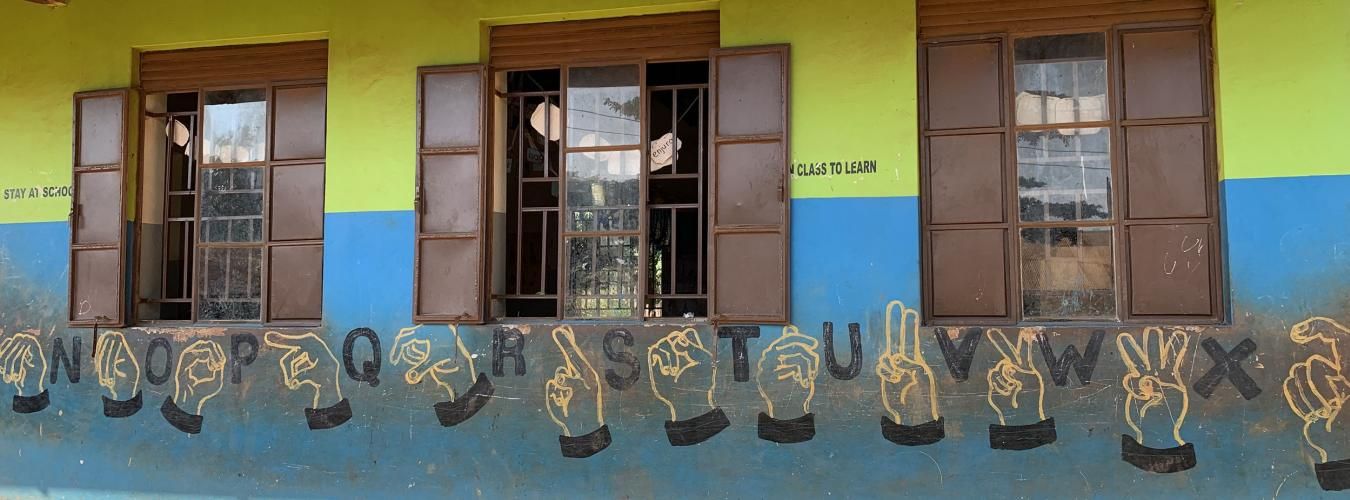
Is the sky limitless? That's what Sushil advocates. This year's theme of the International Day of Persons with Disabilities 2025: “Fostering disability-inclusive societies for advancing social progress” draws our attention to the call to action and builds on the commitment of the Second World Summit for Social Development.
True progress happens only when every voice is heard, every person is included. And that a sustainable world starts with embracing diversity, where inclusion is not optional—it is the foundation of social development.
This editorial content is co-created by UNV/UNICEF and is the fourth story of this series in 2025. Stay tuned for more content from the Youth Advocates in 2026.