



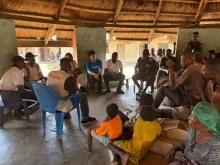
As of July 2025, at least 510,182 people were internally displaced across Benue State, according to Amnesty International Nigeria. Behind this figure are families seeking safety while trying to rebuild their lives. For them, peace can mean walking through a well-lit public space after dark, receiving an early warning about danger or finding a way to earn a living again.
This is the context in which Gakuto Han serves as an international UN Volunteer Associate Protection Officer with the United Nations High Commissioner for Refugees (UNHCR) in Makurdi, the capital of Benue State in north-central Nigeria.
Originally from Japan, Gakuto began his assignment in February 2026. Funded by the Government of Japan, he supports UNHCR’s work with people affected by displacement, in line with Benue State's Internally Displaced Persons Policy.
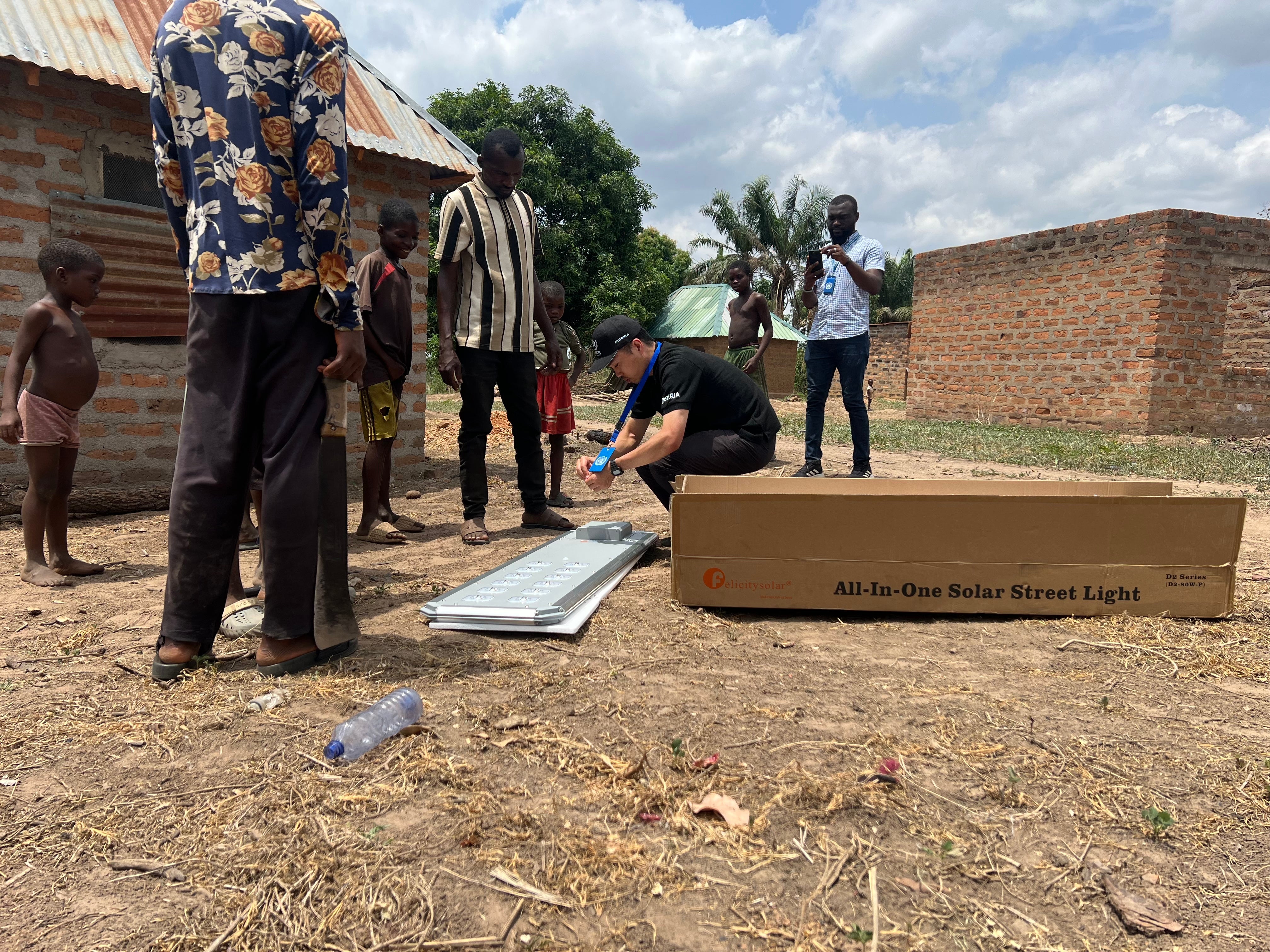
As part of his assignment, Gakuto visits displacement-affected areas to speak with residents, understand their needs and follow the progress of UNHCR-supported projects. One of the projects he oversees is the installation of solar-powered streetlights in Makurdi and Guma local government areas. The feedback collected from the communities shows that the ongoing work is improving safety and daily life.
The streetlights address safety concerns after dark, particularly for women and girls. Improved lighting around clinics, water points, schools, pathways, shared spaces and settlement entry points has helped reduce risks and made residents—especially those recovering from nighttime attacks—feel safer.
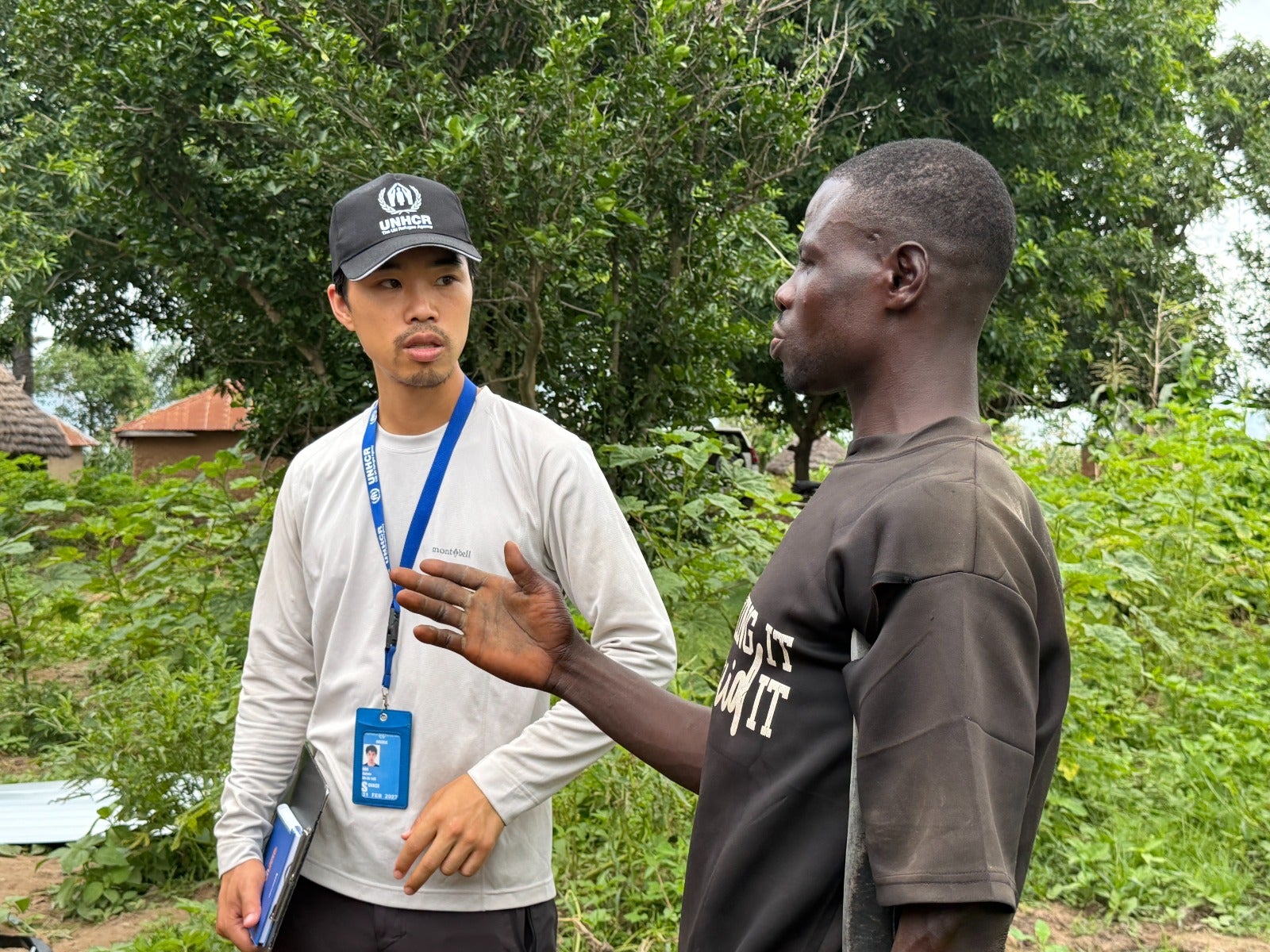
Gakuto also helps run a system that lets people quickly report danger and get help from those able to respond. Conditions differ from one location to another. Even installing solar streetlights can involve different technical and practical challenges. Regular field visits allow him to see these directly and discuss possible solutions with residents and the partners responsible for the work.
“Each community has a different context, which creates implementation challenges,” shares Gatuko. “I address these by maintaining clear and open communication, conducting detailed field assessments and engaging with communities regularly.”
He also supports cash assistance programmes that help vulnerable families leave overcrowded camps or return home with dignity. But reaching safety is only the beginning. Working with local partners, he helps create opportunities through farming and other income-generating activities, enabling displaced people to rebuild livelihoods and regain their independence. Together, these efforts help families move beyond survival, ease pressures within communities, and start building futures defined not by crisis, but by possibility.
Gakuto’s field visits and reporting also help UNHCR decide what support is needed and where. In a process that depends on many organizations working together, even a small delay can have far-reaching consequences. His role often involves untangling bottlenecks, supporting partners to identify what is slowing progress and agreeing on concrete steps to move the work forward.
Evelyn Happy Katono, Head of the UNHCR Makurdi Field Office and Gakuto's supervisor, shares: “Gakuto has been a valuable addition to the team.” She notes that he helps brief partners on the situation in Benue State and UNHCR’s response. His visits have also made UNHCR more visible in the areas it serves and helped build trust among residents. The information he collects has helped the office adjust its work and improve the support it provides.
Meeting families rebuilding their lives after displacement changed Gakuto's perspective. “Daily interaction with communities has deepened my understanding of displacement realities,” he says. “This experience has strengthened my skills in field coordination, problem-solving and partner engagement and has shaped my perspective on humanitarian work.”
His work comes at a time when humanitarian needs are growing, while the resources available to address them are under increasing strain. Funding from the Government of Japan enables Gakuto to serve in Benue State, helping UNHCR maintain a presence where people still urgently need protection, assistance and hope for the future.
“You may feel the UN system is distant, but volunteering is a meaningful way to contribute and a good place to start,” Gakuto reflects. “UN Volunteers play an important role in bridging these gaps and making a real difference on the ground.”
On the International Day of Peace, Gakuto's assignment shows that peace is not only discussed in meeting rooms. It is also built by listening to people, responding to everyday challenges and finding practical ways to make life safer.
In Benue State, it can begin with something as simple as switching on a streetlight.