Violence is surging across the globe. In the previous year alone, armed conflict and attacks escalated by 25 percent, disrupting the lives of more than two billion people. In some regions, instability is deepening as violent extremism fuels humanitarian emergencies and erodes peace, security, and development worldwide. Stopping violent extremism means going upstream. It means tackling the conditions that allow it to take root. Across West and Central Africa, communities face overlapping challenges like insecurity, violence, displacement, and limited opportunities—pressures that feed into each other and heighten the risk of conflict, especially in fragile areas such as the Lake Chad Basin and much of the Sahel.
Preventing violent extremism begins long before violence occurs. It means building trust, listening to communities, and ensuring young people and women can take part in decisions that affect their lives.
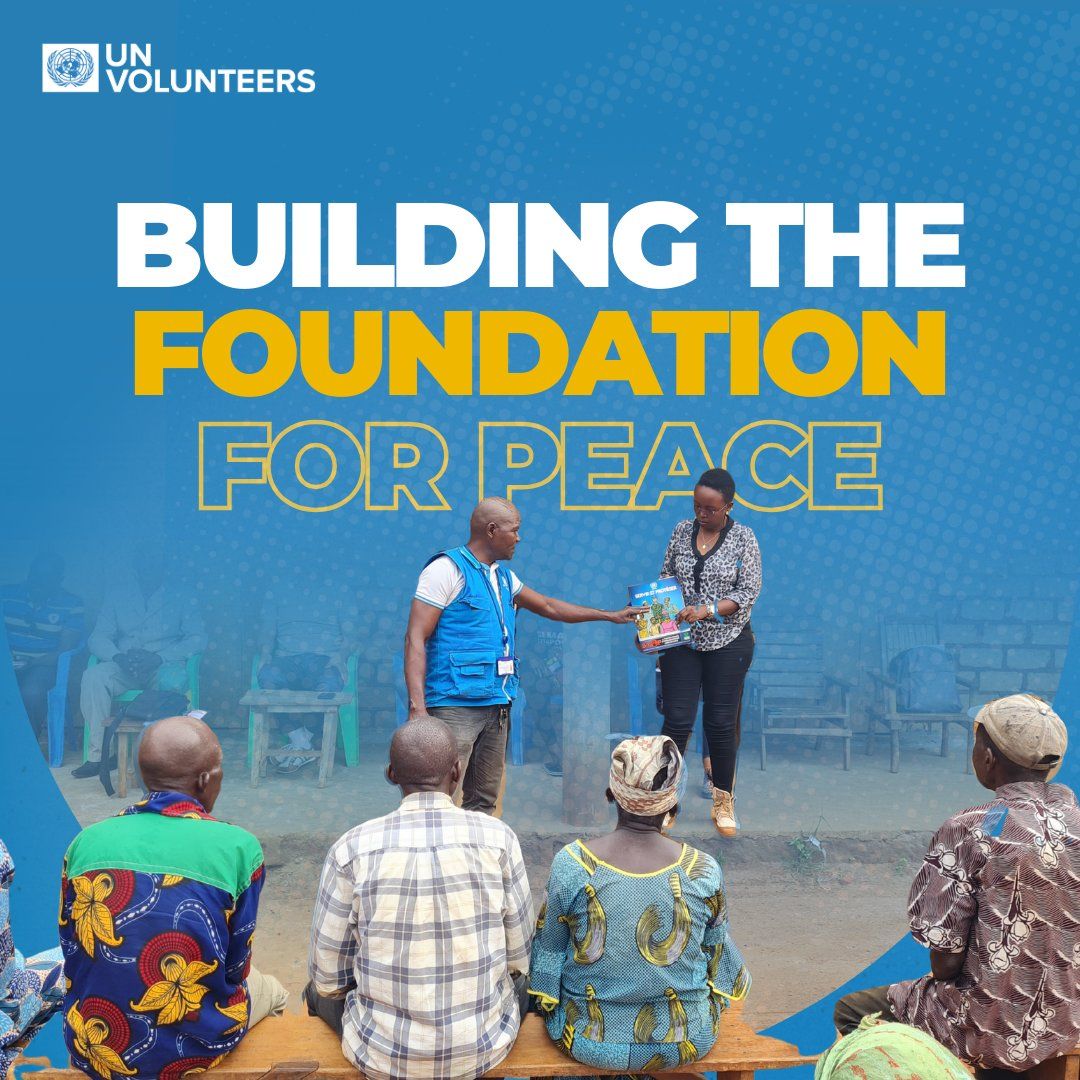
UN Volunteers help turn these principles into action by working directly with communities, local leaders and national institutions. They support mediation, peace education, early‑warning efforts and local initiatives that build trust and resilience.
Read stories from the field on how UN Volunteers contribute to peace, security and prevention of violent extremism
Click here to access the photo story
Watch this space for more content