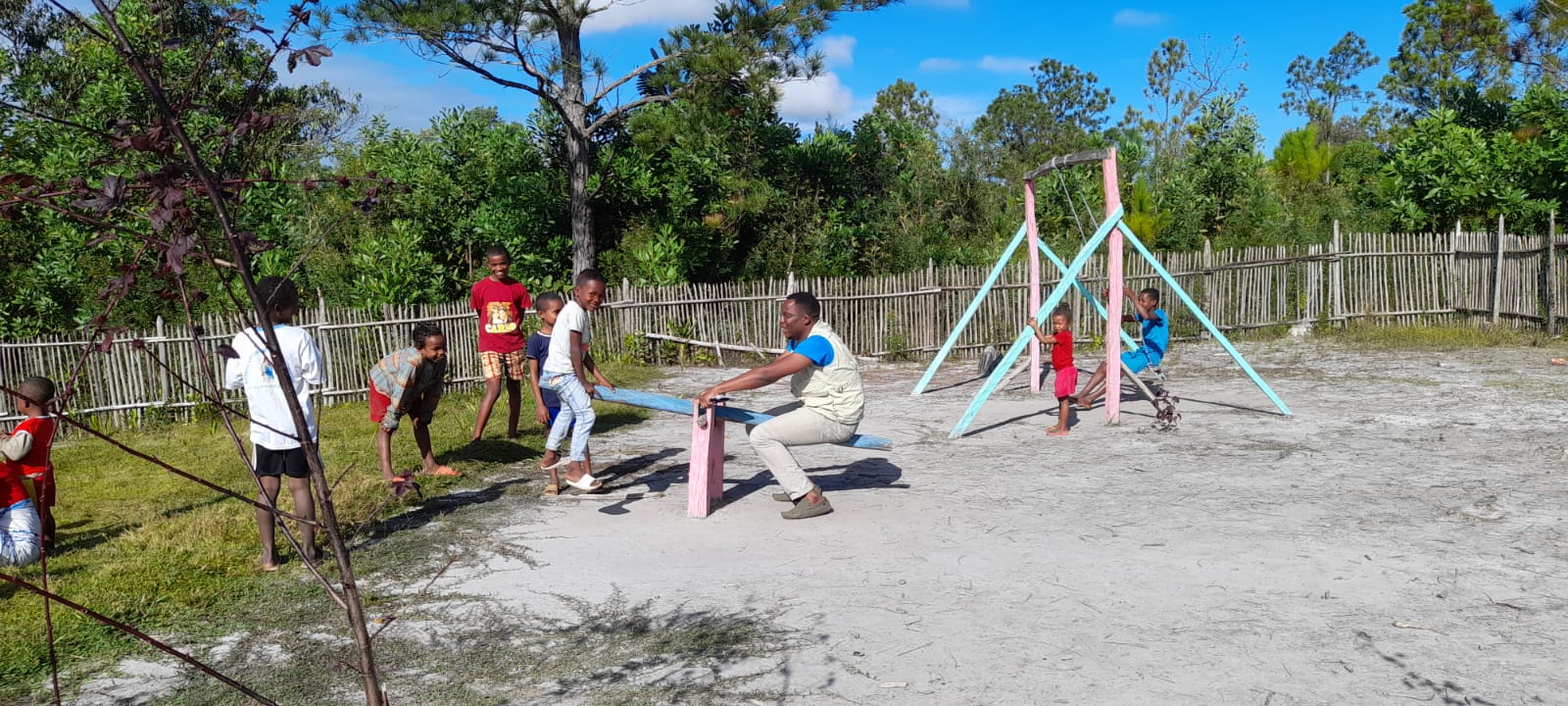
Jahdiel Kossou, from Benin, serves as an international UN Volunteer with the United Nations Children's Fund (UNICEF) in Antananarivo—he is an Early Childhood Development Specialist. He says his work starts long before classrooms, policies, or progress reports. It starts in the first breath of life. In the fragile, decisive years when a child’s brain is forming faster than it ever will again, when nutrition, protection, stimulation, health care, and responsive caregiving quietly determine who that child will become. Jahdiel joined UNICEF because he believes that investing in children from conception to age eight is not charity—it is strategy. Not sentiment—it is nation‑building. This is where inequality begins—and where it can be undone. Here’s more from him.
"My day usually begins around 7:20 in the morning. I arrive at the office, review my task list, and adjust priorities before meetings begin. A cup of black coffee helps me focus. Early childhood development work moves quickly because it connects many sectors at once. No single programme can support a young child alone. Nutrition affects brain growth. Health services prevent lifelong complications. Safe water reduces disease. Early learning shapes cognitive and social skills. Protection ensures safety and dignity. My work brings these pieces together. Most mornings involve coordination with colleagues across nutrition, health, water and sanitation, preschool education, child protection, and social protection. I also work closely with government counterparts to develop national policies, standards, and operational tools that strengthen services for young children.
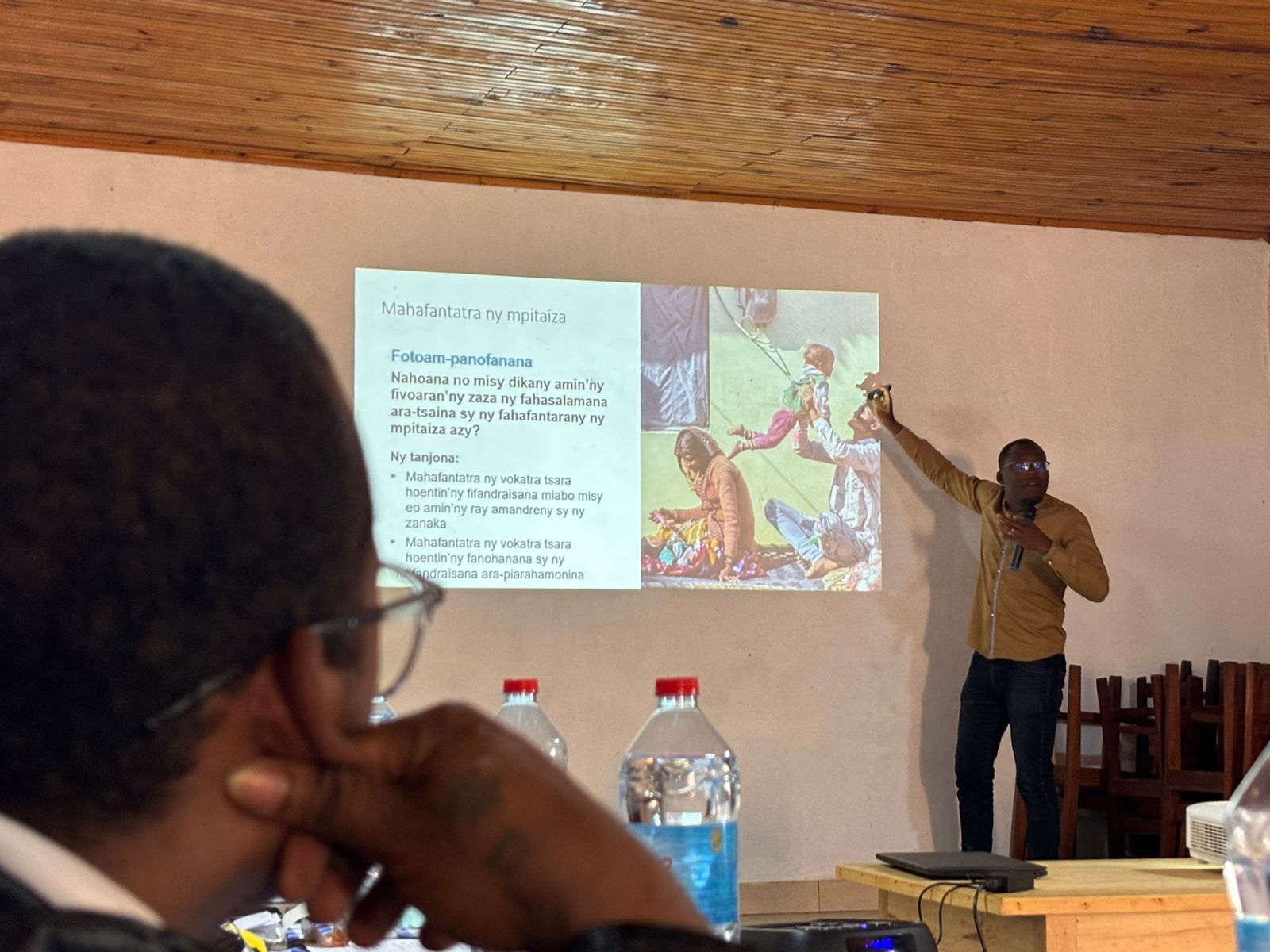
Madagascar recently adopted its first national early childhood development strategy and its first national preschool education strategy. I contributed to these frameworks, helping align sectors around shared goals. These documents guide how institutions plan, budget, and deliver services for young children across the country.
Data also plays a critical role. I collaborate with the pediatric society and technical partners, including the International Atomic Energy Agency, to strengthen the evidence base behind programme decisions. Reliable data ensures that interventions are effective and resources are used wisely.
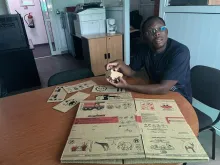
One of the initiatives closest to me was born from a challenge to convention: could nutrition interventions do more than save lives—could they also shape minds? With support from UNICEF Supply Division and colleagues at headquarters, we introduced simple games inside Ready-to-Use Therapeutic Food boxes. Families now reuse packaging as early stimulation tools. The idea is practical and affordable. It connects physical recovery with cognitive and emotional development.
We also integrated psychosocial support into Madagascar’s national protocol for preventing and managing acute malnutrition, aligned with World Health Organization recommendations. This shift recognizes that recovery is not only physical. Emotional well-being matters too.
Families are increasingly accessing joined-up services rather than separate forms of support. In three regions, we helped align nutrition, early stimulation, water access, protection, and preschool services through coordinated community approaches.
Field visits remain the most grounding part of my work. Meeting caregivers and seeing children benefit from services reminds me that policy decisions affect real lives. These moments connect strategy to reality. The work is not without challenges. Different sectors often operate separately. Building collaboration required regular consultation platforms, shared planning tools, and joint training sessions. Progress was gradual but steady. Trust built over time.
Adapting to Madagascar’s context also required intention. Learning basic Malagasy expressions and understanding local norms strengthened relationships with national partners. Collaboration depends on respect.
Outside my core responsibilities, I co-supervise graduate students researching nutrition and cognitive development. I contribute to scientific publications and support improvements to family-friendly services, including evaluating the breastfeeding corner at the United Nations Common House.
When the day ends, I often walk home for about thirty minutes. It is a moment to reflect. Early childhood development work may not always be visible. It happens through behind-the-scenes meetings, policy drafts, data reviews, and quiet innovations. Yet these early investments shape classrooms, workforces, and communities years later.
For me, volunteerism means sustained service. It means applying knowledge where it has long-term impact. Supporting young children is not short-term work. It is foundational work. And it begins long before most people are watching."