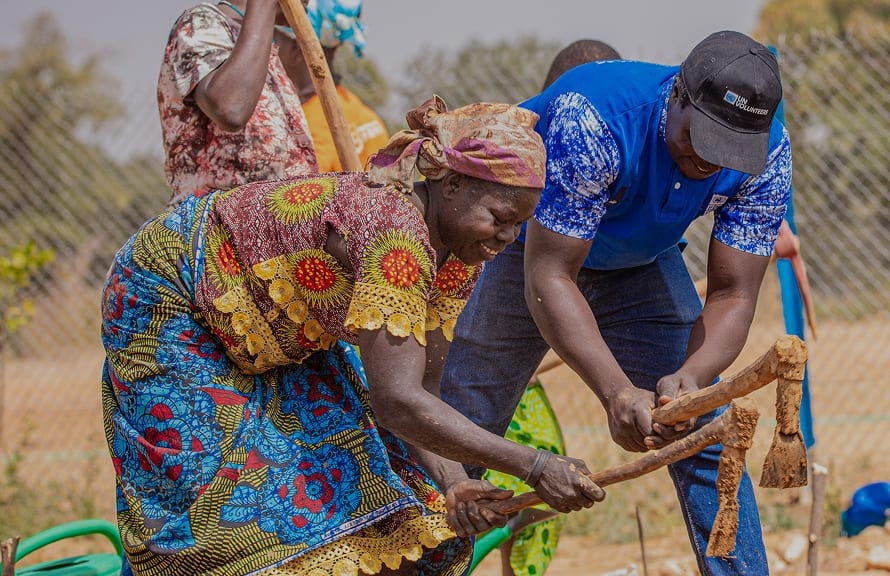

International volunteering was born from necessity and compassion. As a reaction to the devastation caused by the First World War, the work-camp movement represents the first expression of large-scale international volunteering. In the 1920s, voluntary work groups are created as peaceful alternatives to war. Born from this movement, the oldest international volunteer service organisation, Service Civil International, is established in 1934 to promote international understanding and to reconstruct devastated areas.
-
1945
In July 1945, the recently-founded United Nations Relief and Rehabilitation Administration (UNRRA) set up, with the support of volunteers, the first refuge for the youngest victims of the Holocaust.
The refuge, Kloster Indersdorff, lies in Bavaria, Genrmany, housing survivors from surrounding Nazi concentration camps such as Dachau and Flossenbürg, Germany.
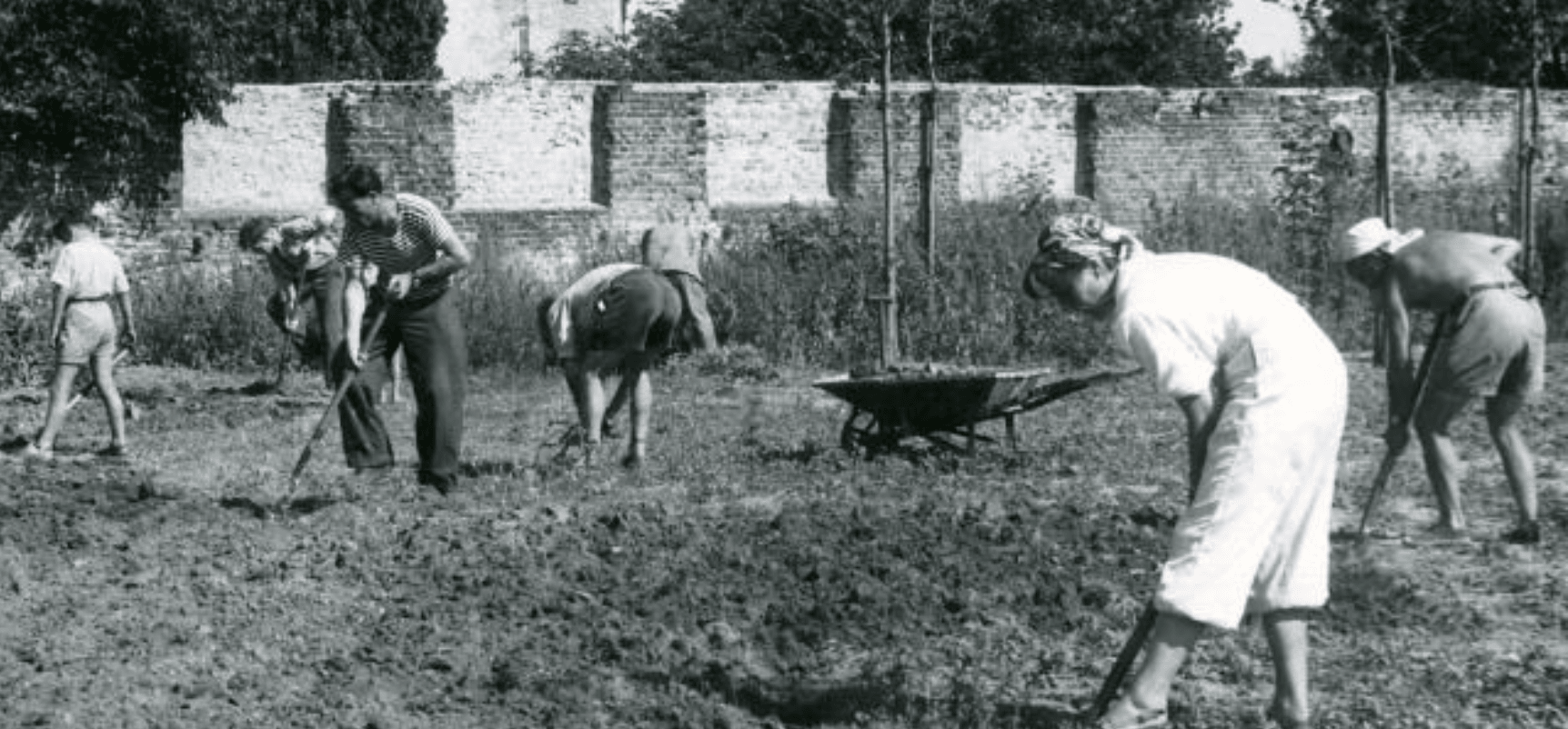 Photo: Service Civil International Archives.
-
1951-1965
International volunteering gains momentum and leads to the creation of organizations such as the Australian Volunteers (1951), Voluntary Services Oversees (1958), the Canadian University Service Overseas (1961), and the Japanese Oversees Cooperation Volunteers (1965)
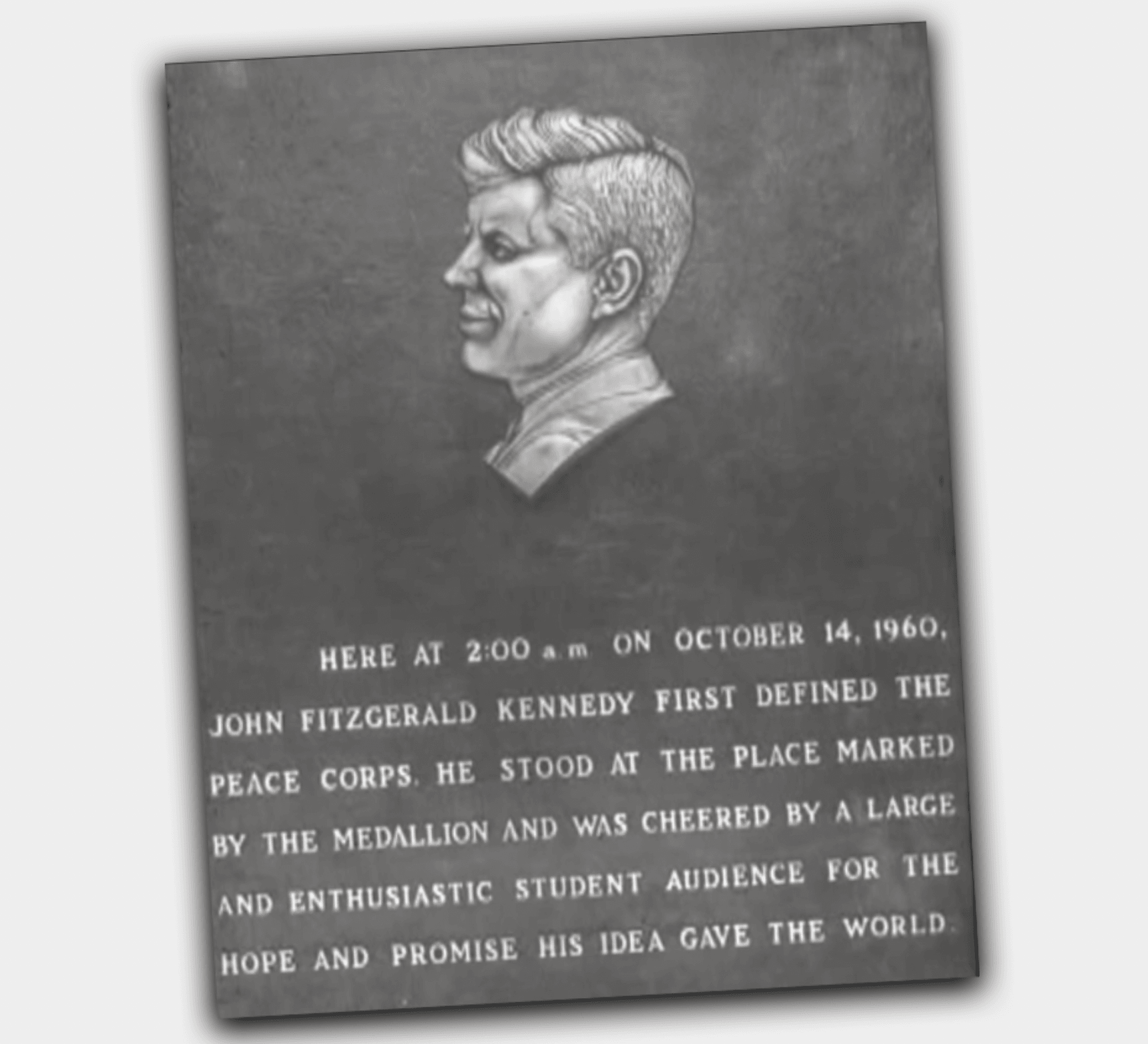 Photo: Peace Corps
-
1962-1963
As an outcome of the International Conference on the Middle Level Manpower in Puerto Rico, t he International Secretariat for Volunteer Service (ISVS) was created as a global organization to promote volunteer services for development around the world. Initial members of ISVS include Argentina, Chile, Dahomey (present day Benin). Denmark, France, Germany, India, Israel, Ivory Coast, Liberia, Netherlands, Panama, Philippines, Switzerland, Thailand, United States, and Zaire (present day Democratic Republic of the Congo). ISVS later becomes instrumental in the establishment of the United Nations Volunteers (UNV) programme.
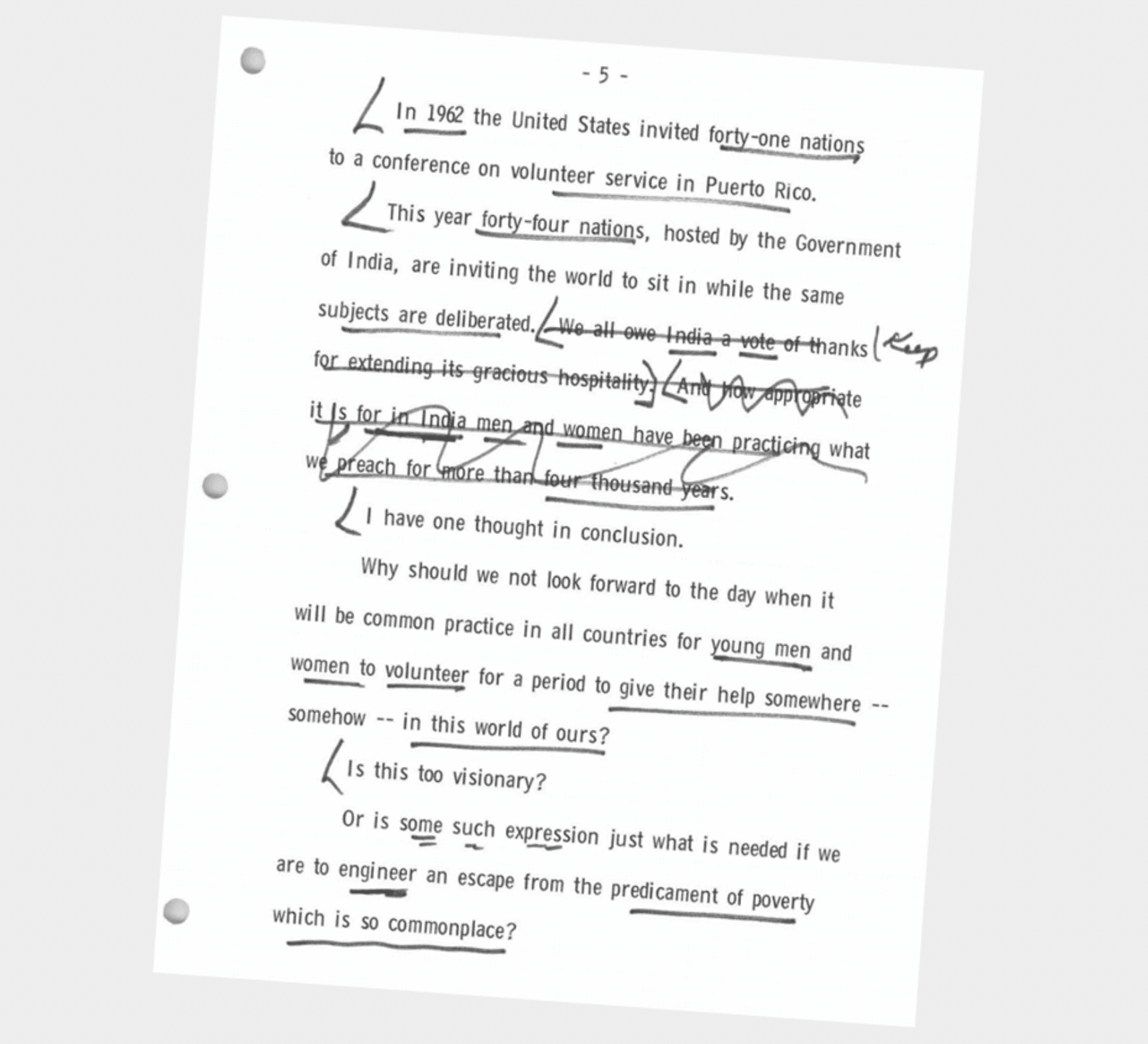 Photo: Minnesota Historical Society.
-
1968
The Shah of Iran Mohammed Reza Pahlavi is the first person to mention the need for a formal United Nations Volunteers (UNV) programme. While delivering an honorary speech at Havard University, he outlines the importance of "(creating) and international legion for the purpose of gaining victory in the fight against the real enemies of humanity; that is against poverty, hunger and social injustice in any form."
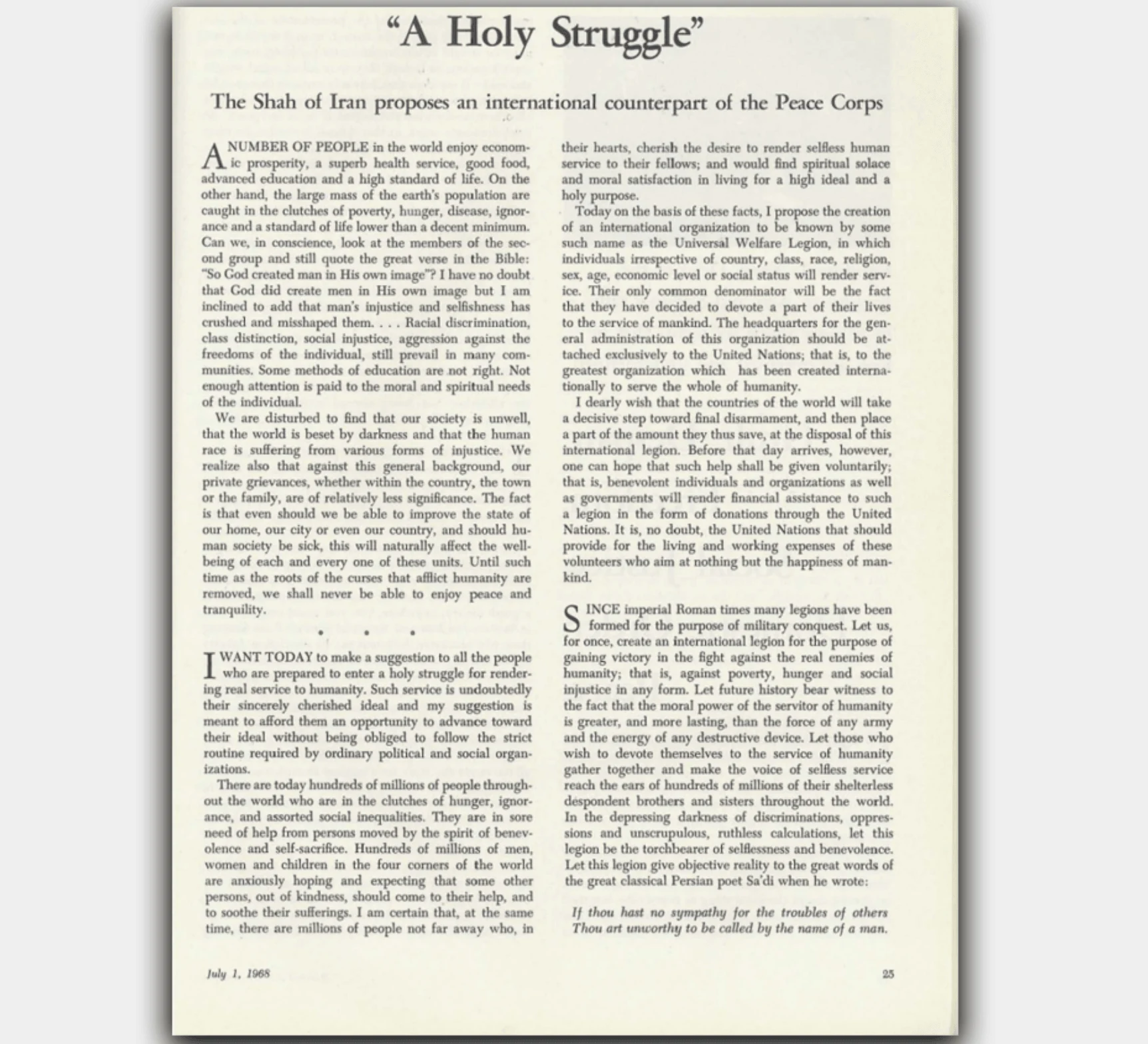 Photo: Havard Magazine.
-
1970
Two years after the Shah's speech, the UN General Assembly votes to establish an international group of volunteers within the UN system called the United Nations Volunteer (UN General Assembly Resolution 2659).
As a sub-organ of the UN system, UNV is administeres by the United Nations Development Programme (UNDO). A Special Voluntary Fund (SVF) is established to gather contributions to support the activities of UNV. The first office opens in New York under its first "Coordinator" (today's "Executive Coordinator") Mr. Assad K. Sadry of Iran.
 Photo: Havard Magazine.
UNV recruits its first 35 UN Volunteers to serve in different countries, including Chad, East Pakistan (today's Bangladesh) and the Yemen Arab Republic (today's Republic of Yemen) with UN agencies such as the United Nations Development Programme (UNDP), the United Nations Children's Fund (UNICEF) and the Food and Agricultural Organization of the United Nations (FAO).
In the photo, UN volunteer Yoshikazu Ito, Japanese irrigation technician, explains to Yemeni farmers the benefits they would derive if the irrigation project he is investigating at Wadi Warazan Materializes. Mr. Ito was a strong advocate for volunteerism in Japan.
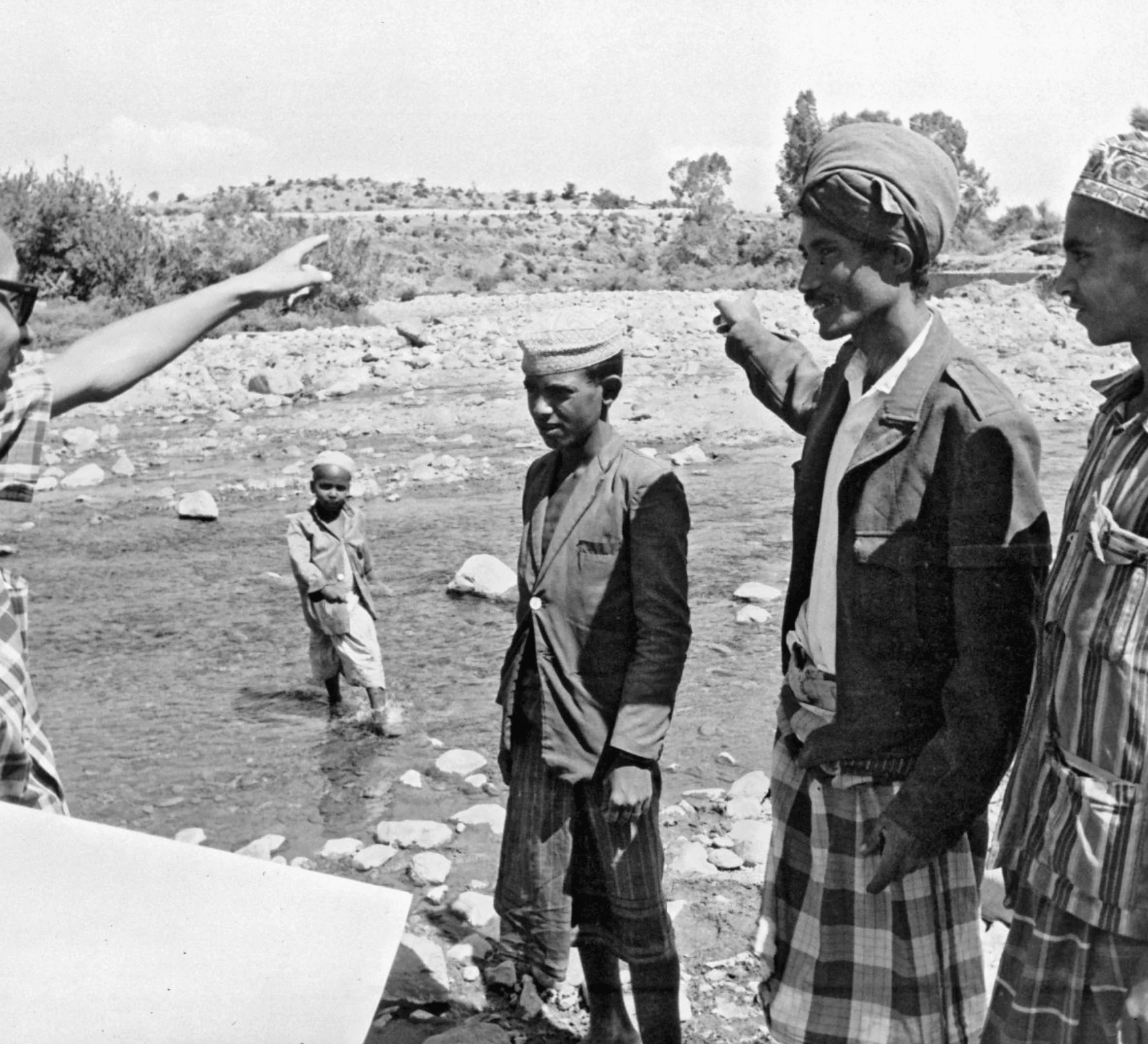 Photo: United Nations.
-
1972
After a brief stay in New York, UNV's headquarters are relocated to Geneva, Switzerland. In the photo, staff in the first UNV headquarters in Geneva.
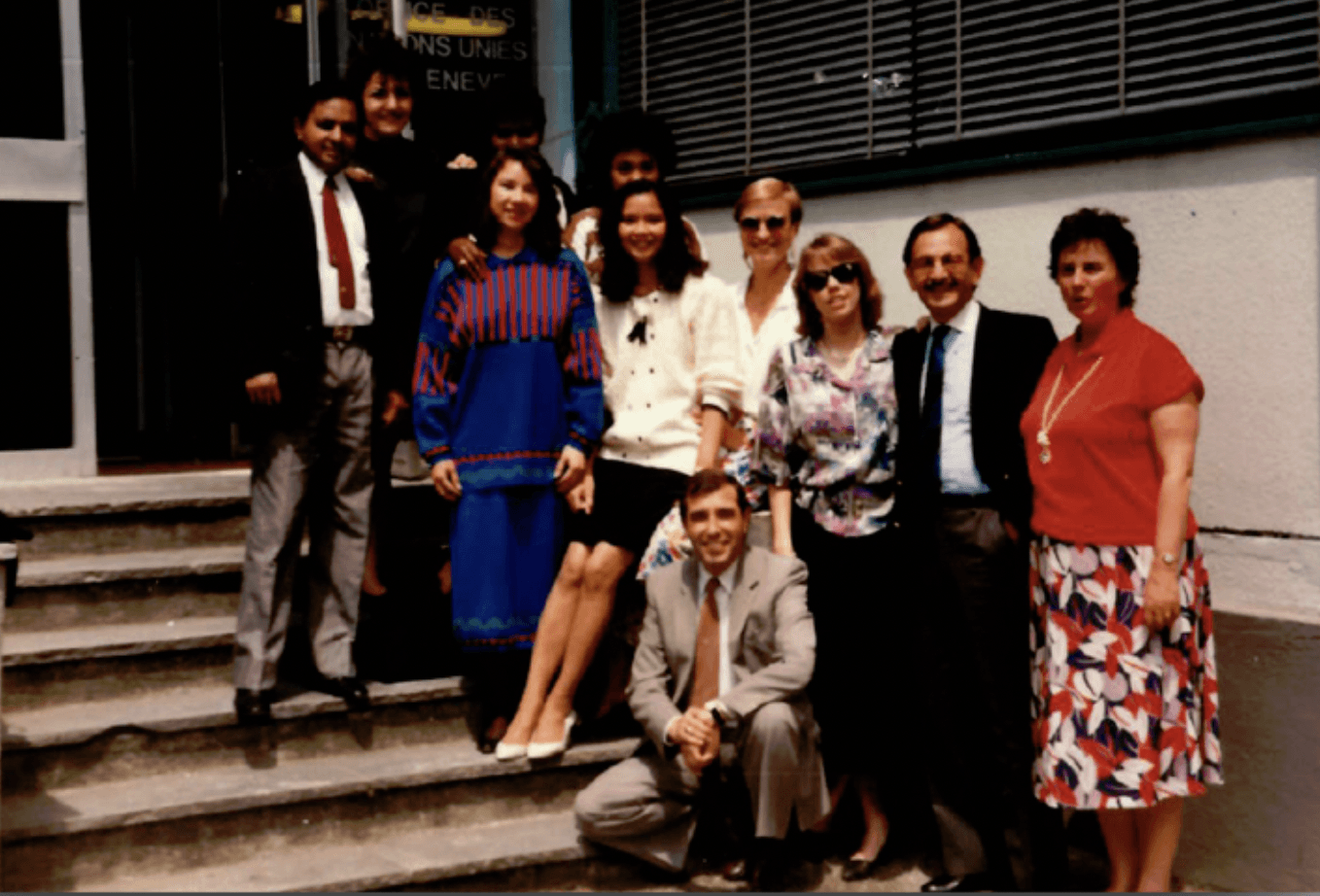 Photo: United Nations.
-
1973-74
By 1 March 1973, there is a total of 93 UN Volunteers serving in the field. The bulk of the group (40) works with the Food and Agricultural Organization of the United Nations (FAO); the others being distributed among the International Labor Organization (ILO) 27, the UN Secretariat (11), the United Nations Educational, Scientific and Cultural Organization (UNESCO) (4) and other agencies.
UN Volunteer come form 27 countries, with the most generous contingents from the Philippines (10), the United Kingdom (10) and the United States (9). UNV's activities with refugees start in 1974, when refugees from Rwanda are recruited as UN Volunteer.
In the photo, UN Volunteer Renata Kober (Austria) supervises nursing trainees at the Republic Hospital in Taiz (Yemen).
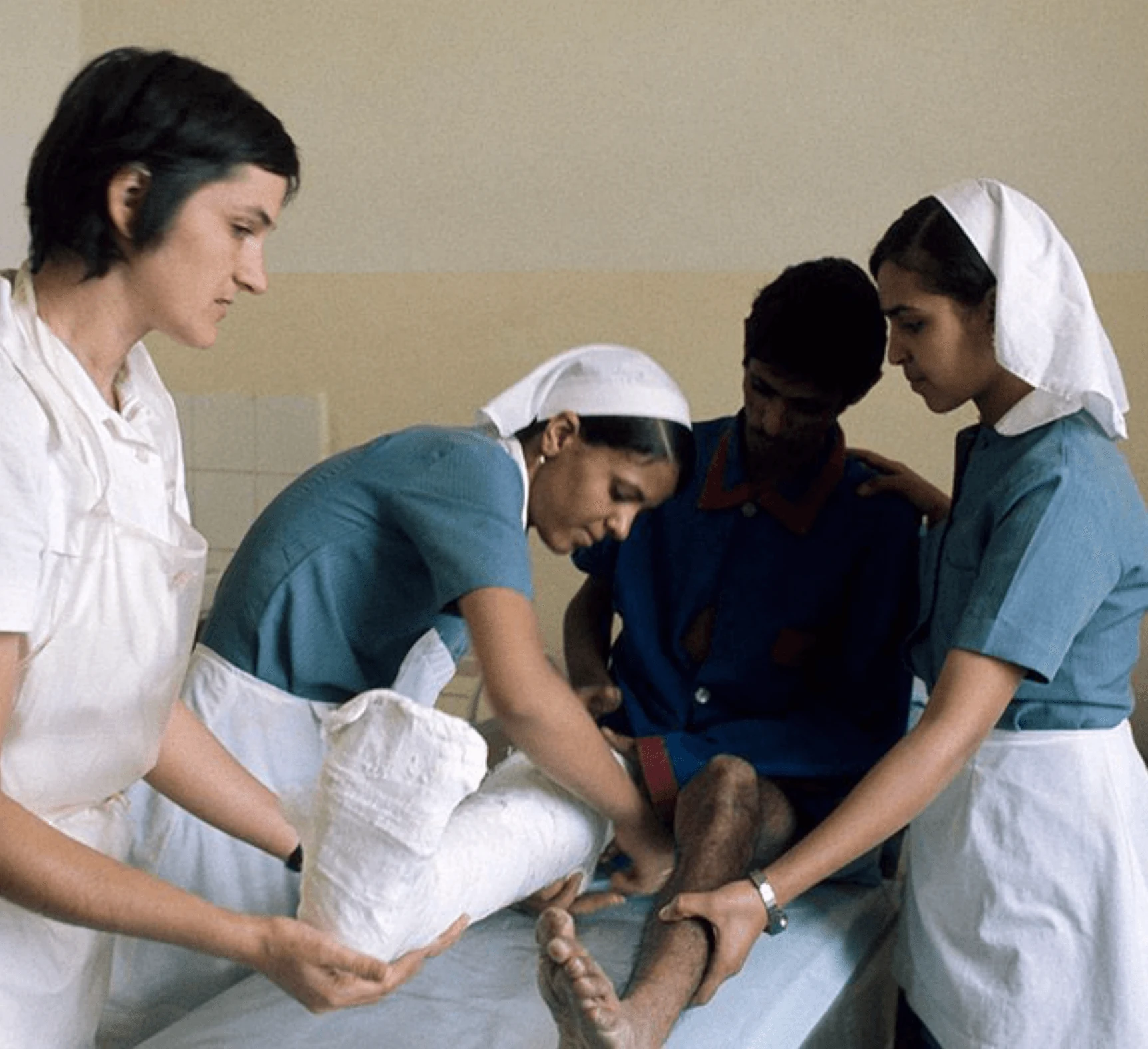 Photo: United Nations.
-
1976
Along with the first usage of the Special Voluntary Fund created in 1970, a greater scope is given toward engaging youth in UNV projects and programmes. In UN General Assembly Resolution 31/32 of 16 December 1976, Member States call for UNV to be a major operational unit of the UN for the execution of youth programmes, especially of pilot projects to increase the participation of youth in development activities and training programmes for youth workers.
By the end of 1976, 285 UN Volunteer are serving in 52 developing countries, 65% of them in Least Developed Countries (LDCs).
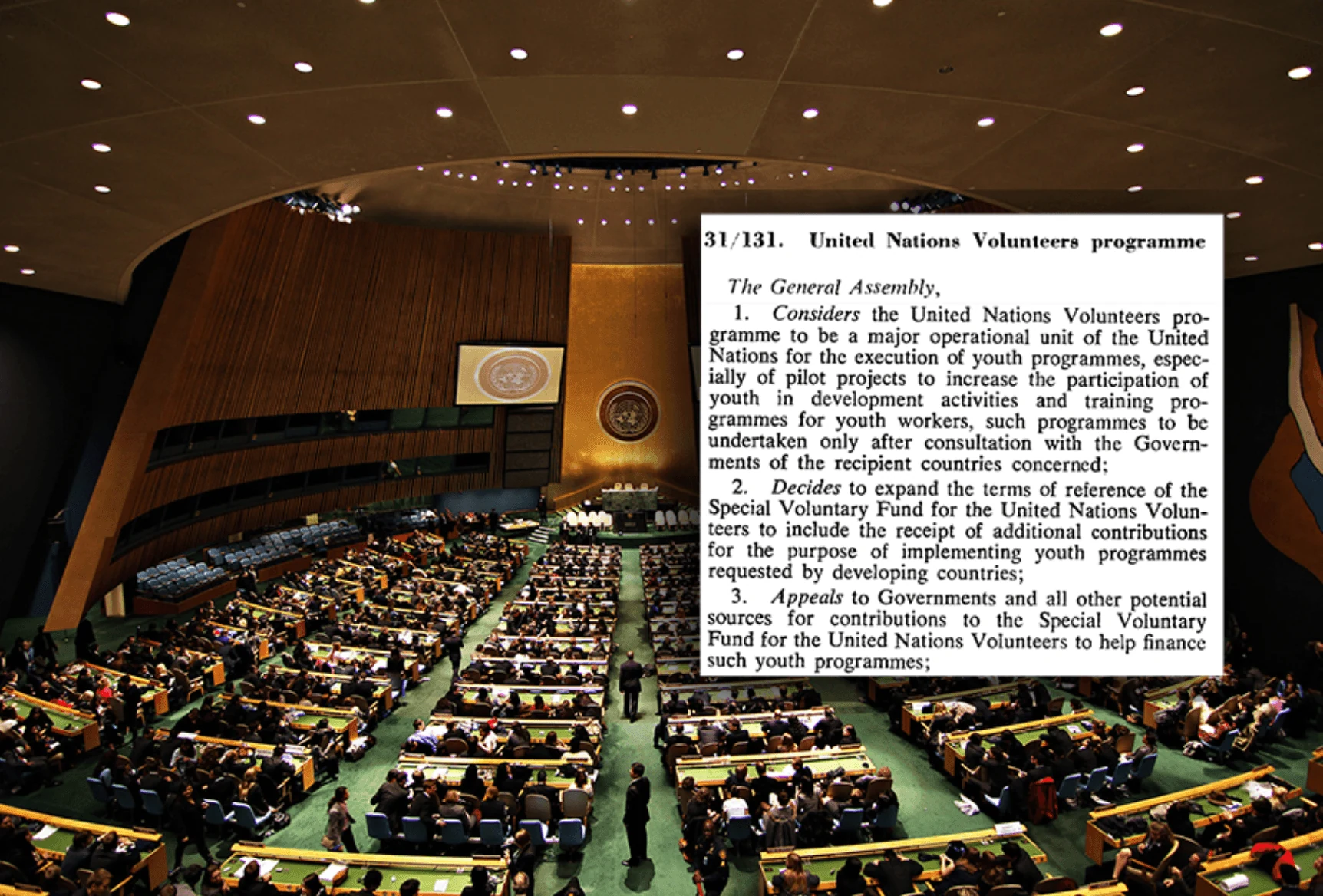 Photo: United Nations.
-
1979
Growth of volunteer assignment continues steadily during the early years, with more than 600 UN Volunteers by the end of the decade. To increase demand, the newly appointed UNV Coordinator Hikmat Nabulsi (Syria) streamlines programming and recruitment procedures and undertakes extensive promotional work to enhance recognition of the human resource competencies offered by UN Volunteers.
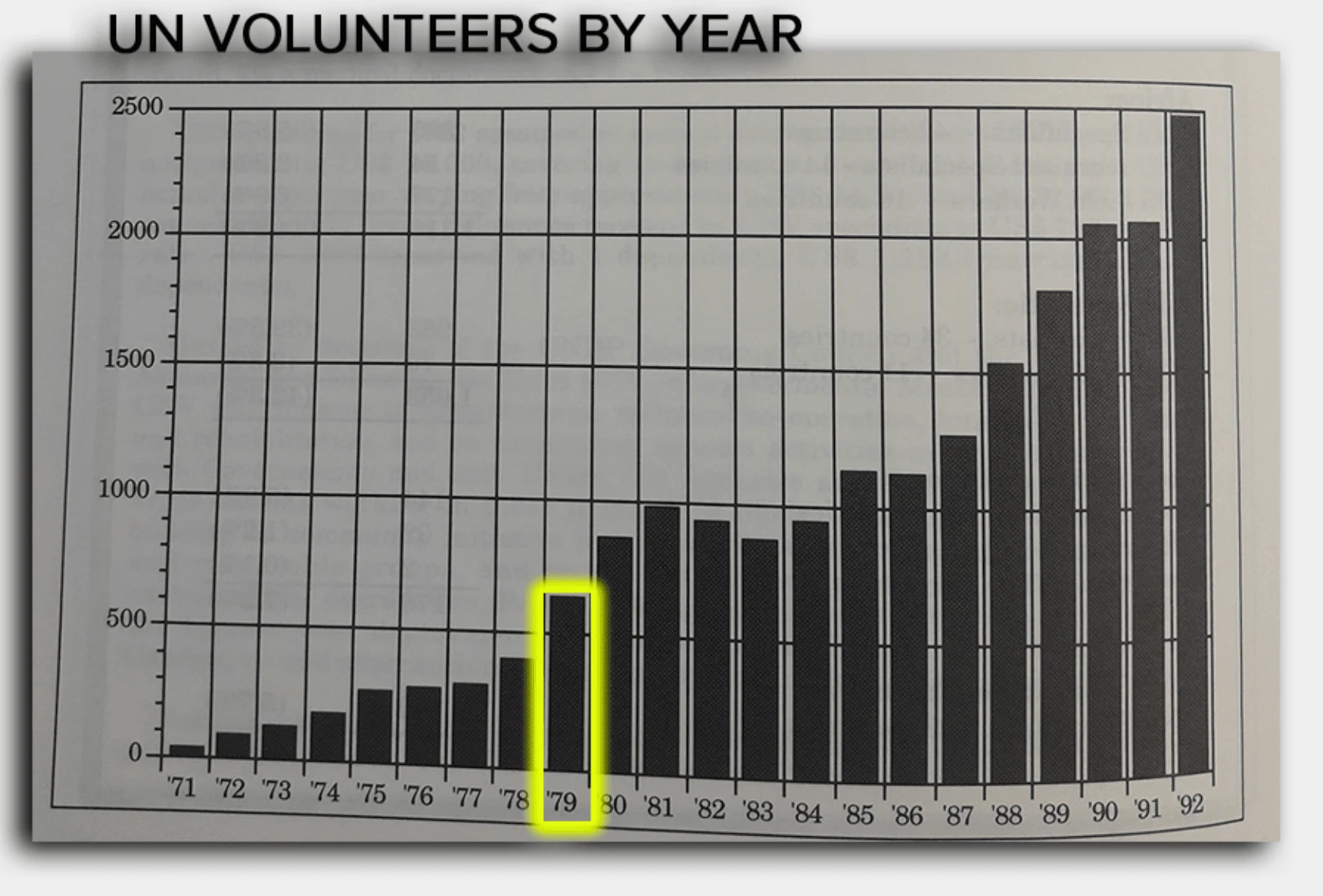 Photo: United Nations.
-
1982
UNV convenes the First High-Level Intergovernmental Meeting on International Volunteerism and Development in Sana'a, Yemen, bringing together government leaders, directors of international organization and UN officials to celebrate UNV's tenth anniversary. Among the recommendations of the Sana'a Declaration, there's a wide consensus that UNV should develop a documentation service on international volunteerism to provide research of the highest quality in this field.
In the photo, work in a maize field in Yemen is being done under the technical supervision of a UN Volunteer.
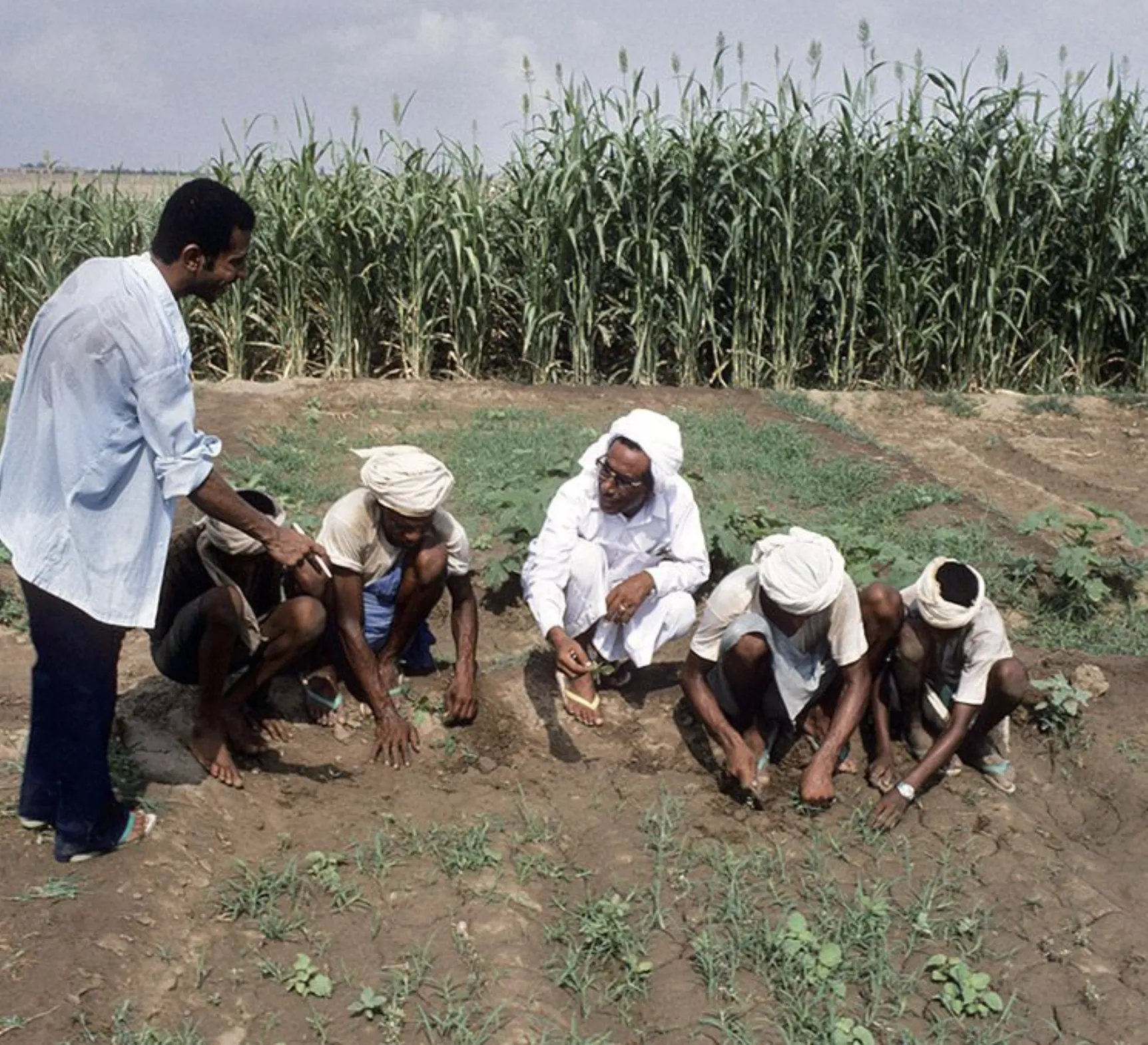 Photo: United Nations.
-
1985
The UN General Assembly adopts Resolution 40/212 on 17 December 1985 establishing 5 December as International Volunteer Day for Economic and Social Development (today referred to as IVD). The Resolution calls upon governments "to heighten awareness of the important contribution of volunteer service, bot at home and abroad."
In the photo, local community members and Beninese peacekeepers in Mali clean up a Bamako neighborhood as part of activities organized by UN Volunteers in the run-up to International Volunteer Day.
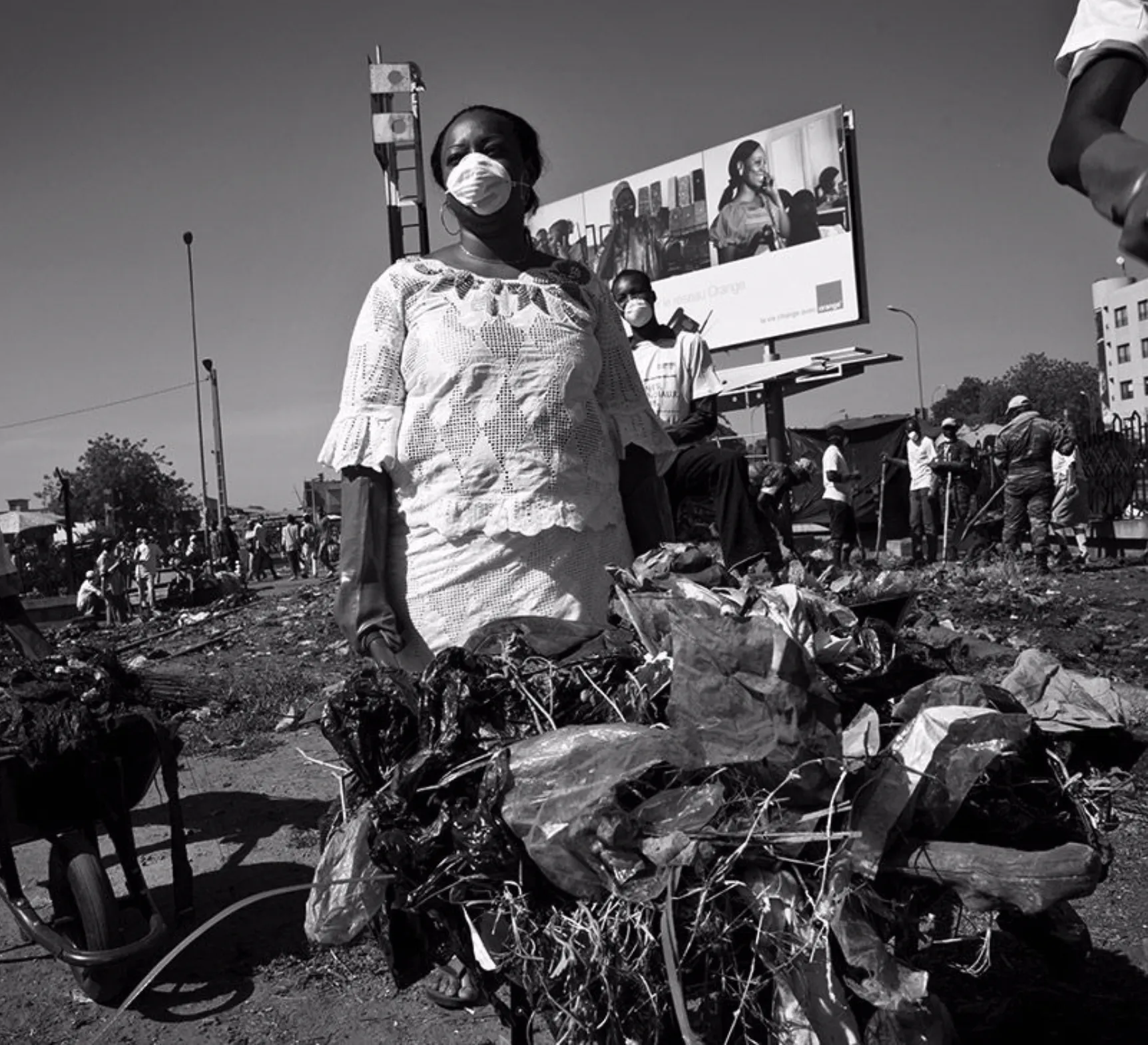 Photo: United Nations.
-
1986
The latter half of the 1980s sees and emphasizing shift on humanitarian efforts. Global changes suh as the end of the Cold War and the fall of the Berlin Wall prompt many countries to highlight the greater need for volunteer programmes in international cooperation.
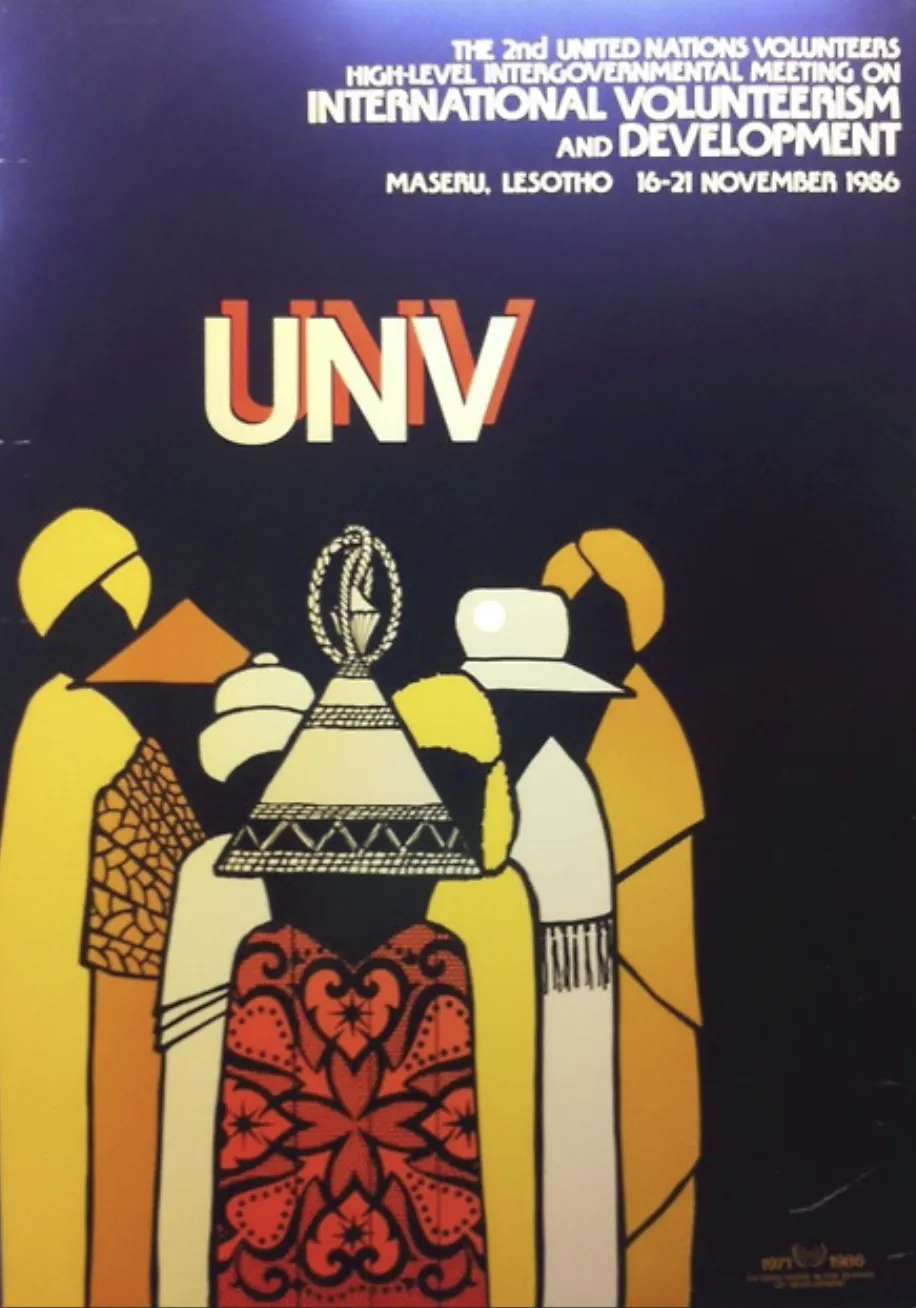
The second UNV High- Leve Intergovernmental Meeting on International Volunteerism and Development is held in Maseru, Lesotho. The Maseru Declaration adopted by the participants confirms volunteerism as one of the most effective instruments of development. The Declaration also calls upon UNV to institutionalize capacity to assist in emergency situations.
-
1988
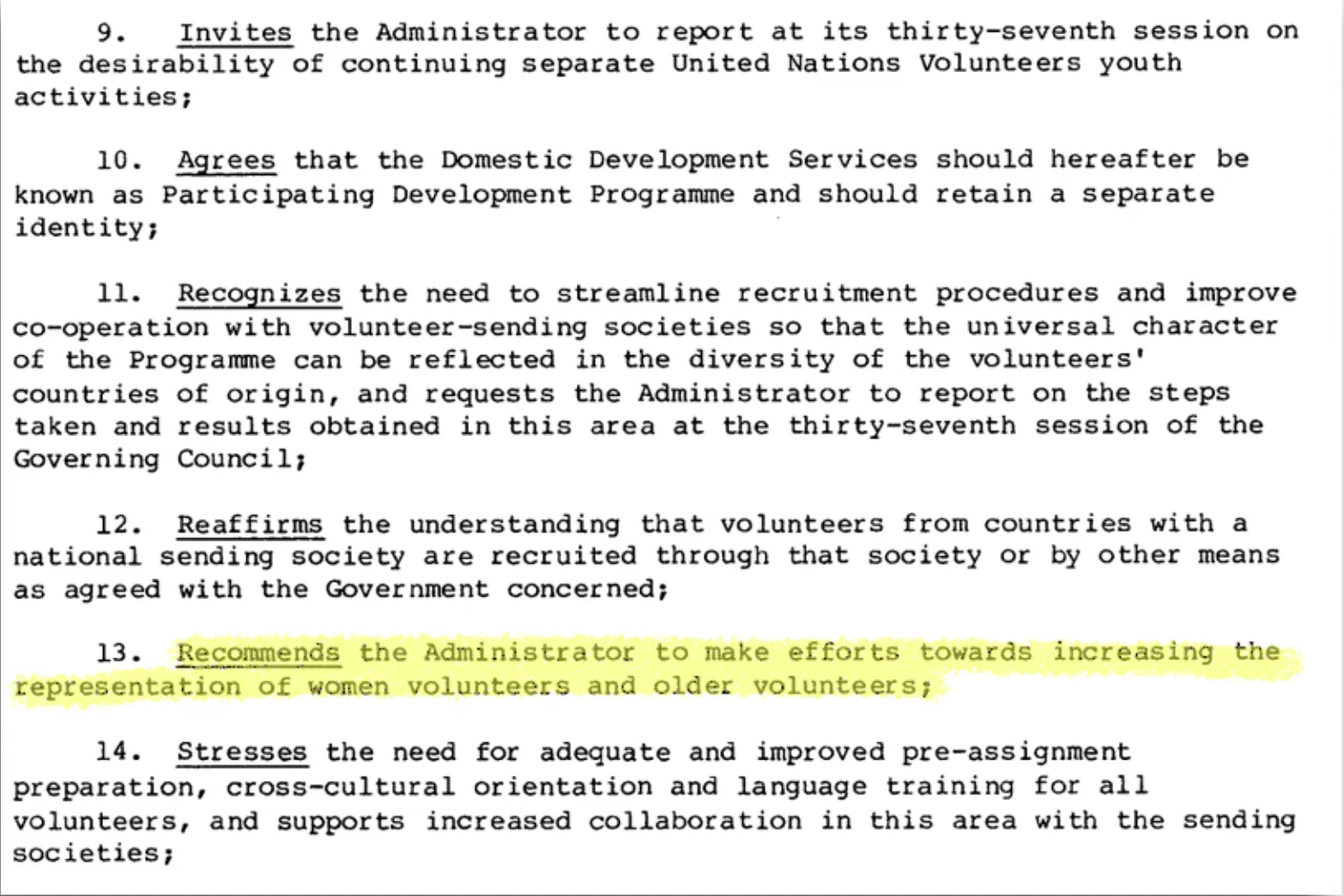
The UNDP Governing Council's 1988/38 Decision on the UNV programme puts forward a recommendation "towards increasing the representation of women volunteers and older volunteers" to diversify the organization's personnel.
-
1989-1991
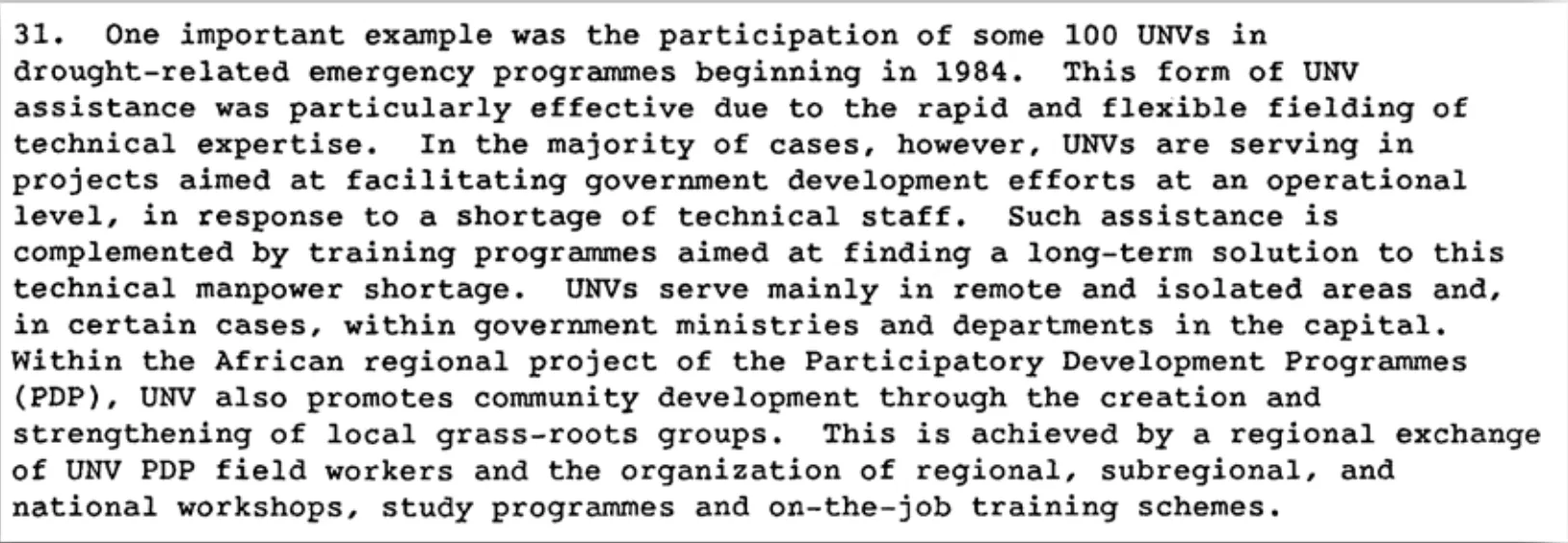
UNV partners with the Africa 2000 Network of the United Nations Development Programme (UNDP) to channel the potential of local volunteer- based organizations by providing them with the resources they need to build on their existing capacities. The members of these associations volunteer their services in a total of 12 sub-Saharan African countries, promoting environmentally sustainable poverty reduction through popular mobilization and community empowerment.
UNV begins playing a vital role in the development of disaster risk reduction programmes as a direct result of emergencies in Costa Rica and Guatemala. UNV establishes itself as a reliable partner of UN agencies in post-disaster reconstruction efforts.
The number of UN Volunteers rises to 1,801 by the end of the 1980's. By December1988, the UN Volunteers from 101 different nationalities are serving in 108 developing countries. Africa accounts for 49% of the assignments.
-
1992
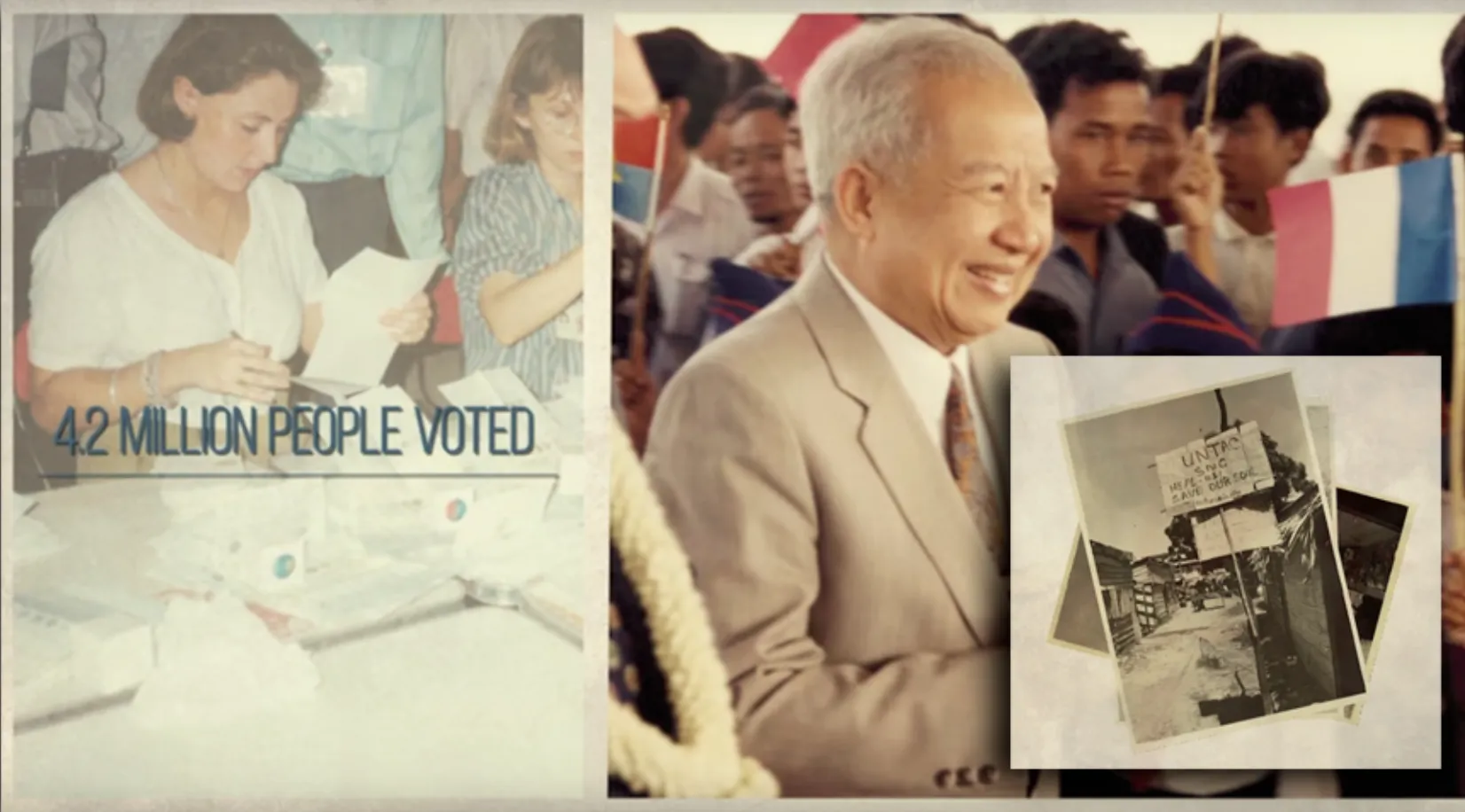
UNV participates in its first UN peace operation, when over 700 UN Volunteer are assigned to the United Nations Advance Mission in Cambodia (UNAMIC) and its successor, the United Nations Transitional Authority in Cambodia (UNAMIC). The ability of UN Volunteers to carry out effective electoral registration in the face of extremely difficult post-conflict conditions plays a role in the success of these missions.
In the same year, the UNDP Governing Council expands the mandate of the Special Voluntary Fund. The mandate broadens UNV's initiatives from programming for youth to cover development of grassroots projects including "(community) support, (work with) women's groups; emergency relief preparedness; and thematic areas such as HIV/AIDS, the environment and the urban informal sector."
The Fund also contributes with training of domestic development services country specialists and field workers, as well as government officials and members of NGOs. Since its inception, Germany, Japan and the United States are the most generous contributors.
-
1993
UNV contributes to another peacekeeping mission, the United Nations Operation in Mozambique (ONUMOZ), by deploying 280 UN Volunteers who provide shelters, as well as electoral support to related peacebuilding and electroral processes.
In the photo, a Japanese peacekeeper and UNV's Programme Manager Joao Kol discuss in Mozambique.
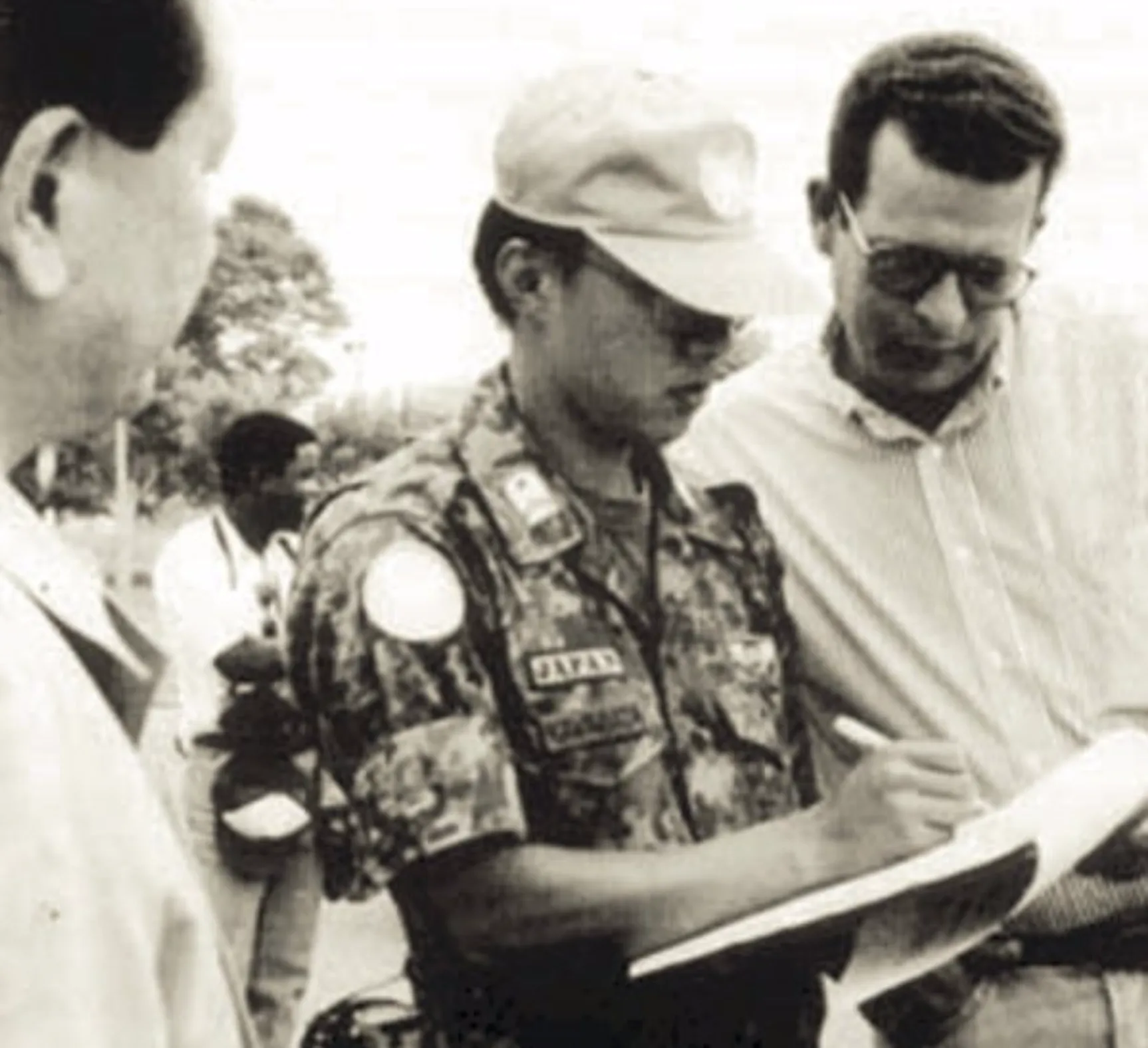 Photo: Meeting the humanitarian challenge: UNV's work between conflict and development.
-
1994
Over 200 UN Volunteers are deployed with the United Nations Observer Missions in South Africa (UNOMSA) in charge of monitoring the electoral process and electoral materials, as well as conducting demographic surveys and identifying polling stations throughout the country. The South African election of 1994 is the first where all its citizens may participate, no matter the colour of their skin. Nelson Mandela is elected President.
At the same time, UNV starts deploying UN Volunteers to post-genocide Rwanda, where a total of 74 are recruited to support the United Nations Assistance Mission to Rwanda (UNAMIR) on administrative and technical functions.
In the photo: UN Volunteer nurse and journalist Vanya Kewley inventories the situation in a Rwanda refugee camp.
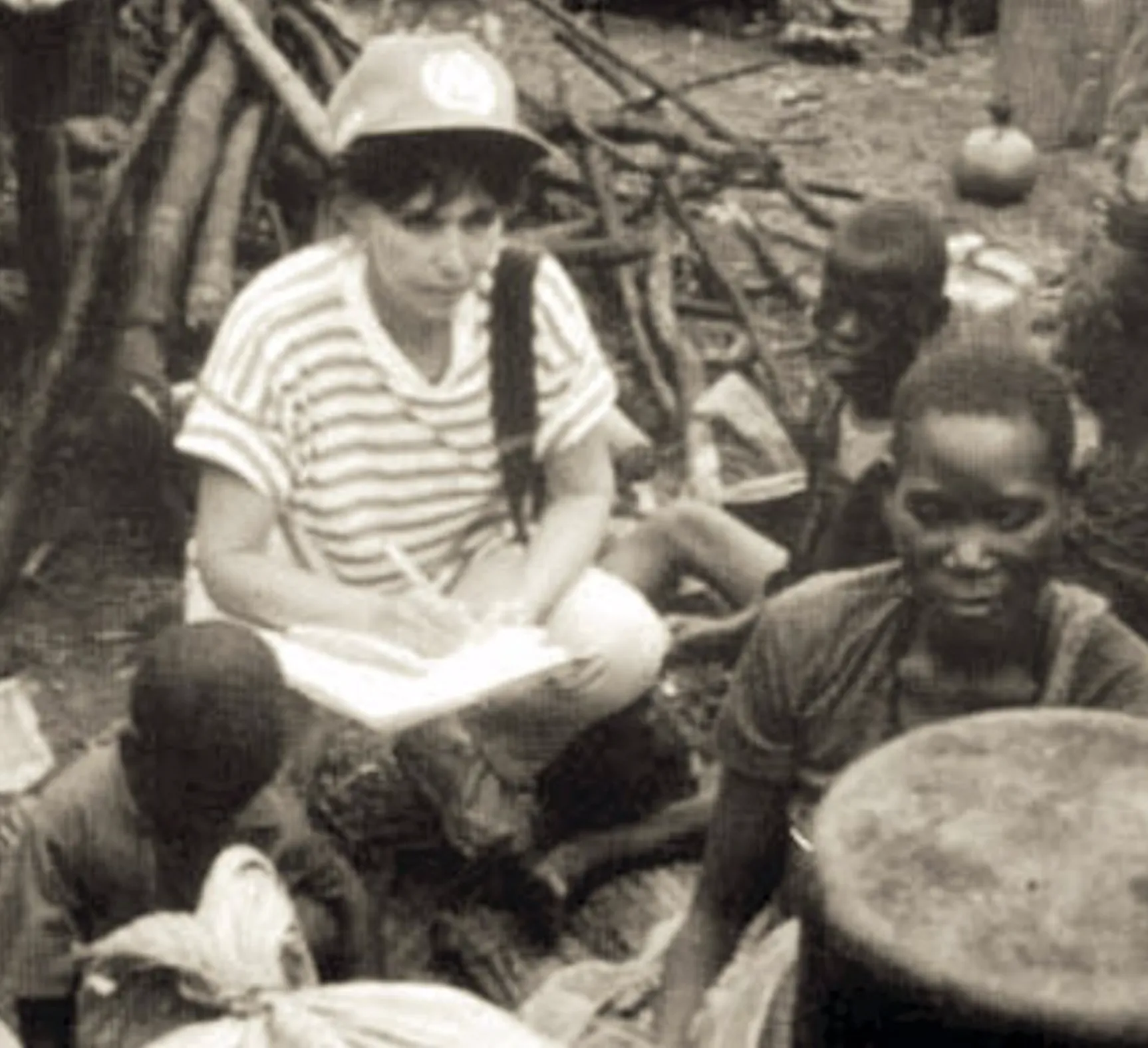 Photo: Meeting the humanitarian challenge: UNV's work between conflict and development.
Advocates make a strong case for the need for greater assertion on the issue of HIV/ AIDS awareness. UNV partners with the United Nations Children's Fund (UNICEF), the United Nations Development Programme (UNDP), the United Nations Population Fund (UNFPA), the United Nations Educational, Scientific and Cultural Organization (UNESCO), the World Health Organization (WHO), and the World Bank to create a co-sponsored programme on HIV/ AIDS and to ensure that a proposal is put before the Economic and Social Council at its substantive session of 1994.
UNAIDS is established in 1994 and launched in 1996.
-
1995
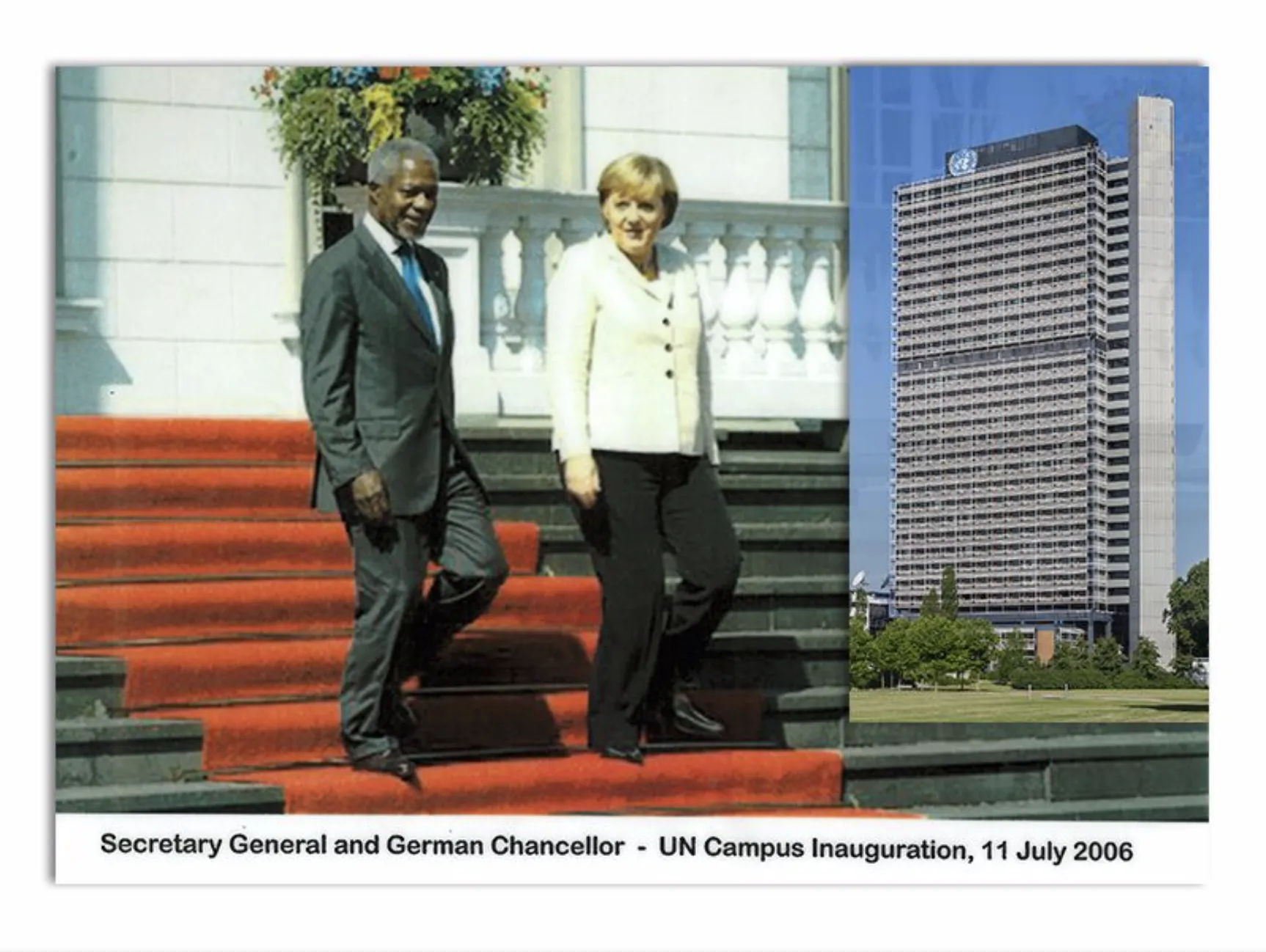
UNV, at the invitation of the German Government, relocates its offices from Geneva, Switzerland, to Bonn, Germany. The move reflects Germany's role as an international leader in diplomacy after the reunification of The Democratics Republic of Germany (East Germany) and the Federal Republic of Germany (West Germany). After reunification, many German federal offices move to the newly declared capital in Berlin.
Upon its arrival to Bonn, UNV initially takes up residences in Haus Carstanjen, a castel close to the River Rhine, but later relocates to the former German Parliament building, when UNV continues to maintain its present offices. The UN Campus surrounding the building was inaugurated in 2006.
-
1996
The United Nations Educational, Scientific and Cultural Organization (UNESCO), in partnership with UNV, oversees a significant programme aimed to embed conflict resolution processes into Burundian society by training State officials and civil society actors to resolve and prevent conflict through social dialogue.
-
1997
The United Nations Development Fund for Women (UNIFEM) partners with UNV and the United Nations Development Programme (UNDP) to deploy 21 UN Volunteers Gender Specialist in developing countries. Like other UN Volunteers, the Gender Specialists combine their programme assignments with volunteer mobilization activities, bridging the gap between gender policy and programming by means of women's participation.
UN General Assembly resolution 52/17 declares 2001 the International Year of Volunteers and designates UNV as the global lead on the historic campaign. The objectives of the Year are increased promotion, recognition, facilitation and networking of voluntary action worldwide.
The resolution was co-sponsored by 123 countries.
-
1998
The total number of UN Volunteer assignments over the course of a year reached a new high and exceeds 4,000.
In the photo: A volunteer (right) in El Salvador assists a mother and her infant with health information, in a joint project led by the United Nations Children's Fund (UNICEF)and UNV.
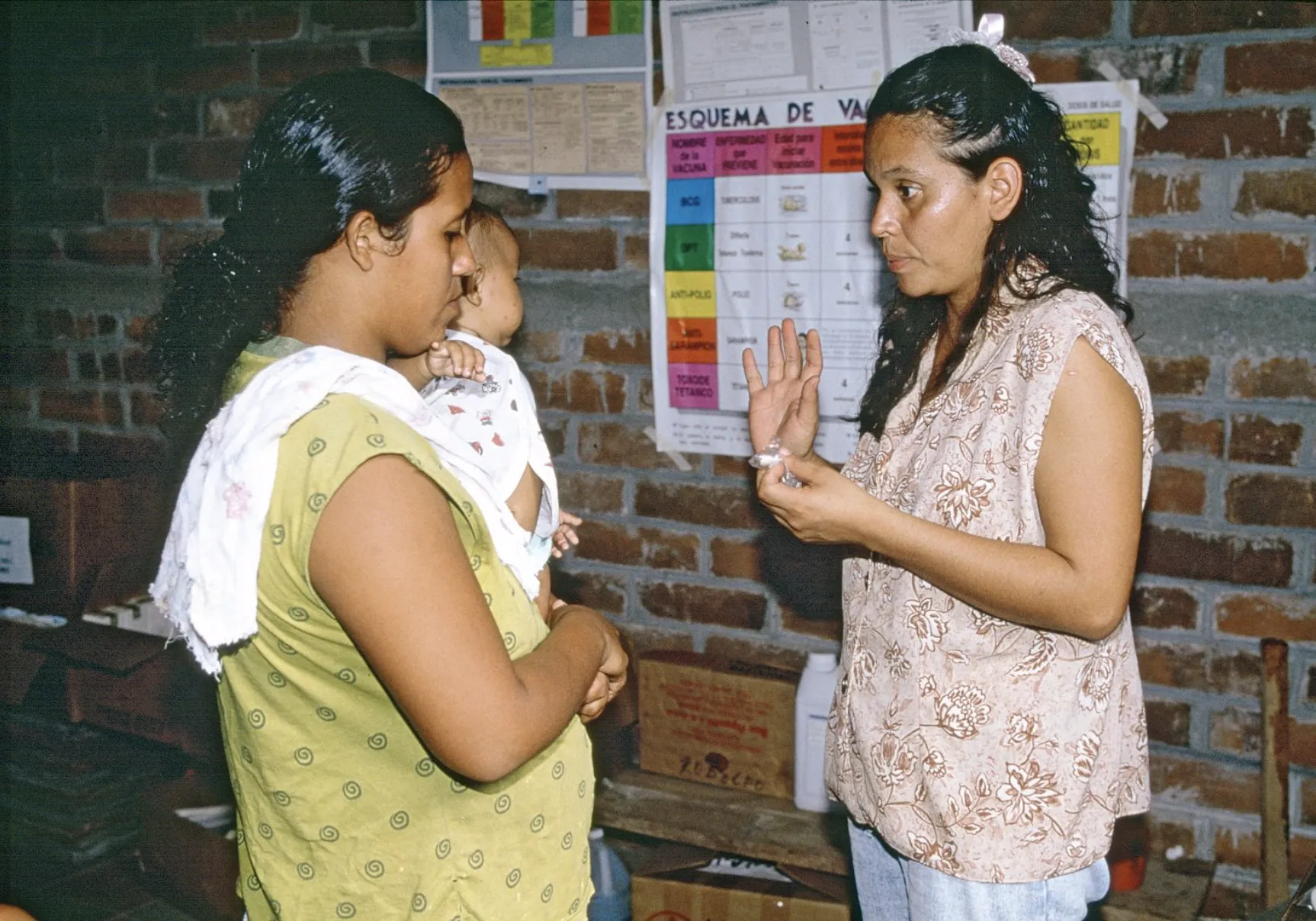 Photo: United Nations.
-
1999
UNV's mobilization rate is unprecedented. In Tomor-Leste, more than 500 UN Volunteers are recruited to serve under the Chief Electoral Officer as District Electoral Officers for 200 registration and polling centres to assist the United Nations Mission in East Timor (UNAMET) to organize and implement the August 1999 popular consultations.
In Total, more than 2,000 UN Volunteers served with both UNAMET and int successors, the United Nations Transitional Administration in East Timor (UNTAET). Contributing to the nation's road to independence.
Around the same time and towards the end of the conflict in Kosovo, over 200 UN Volunteers are deployed there to provide medical care, food and set up temporary shelter for thousands of refugees returning to their homes.
-
2000
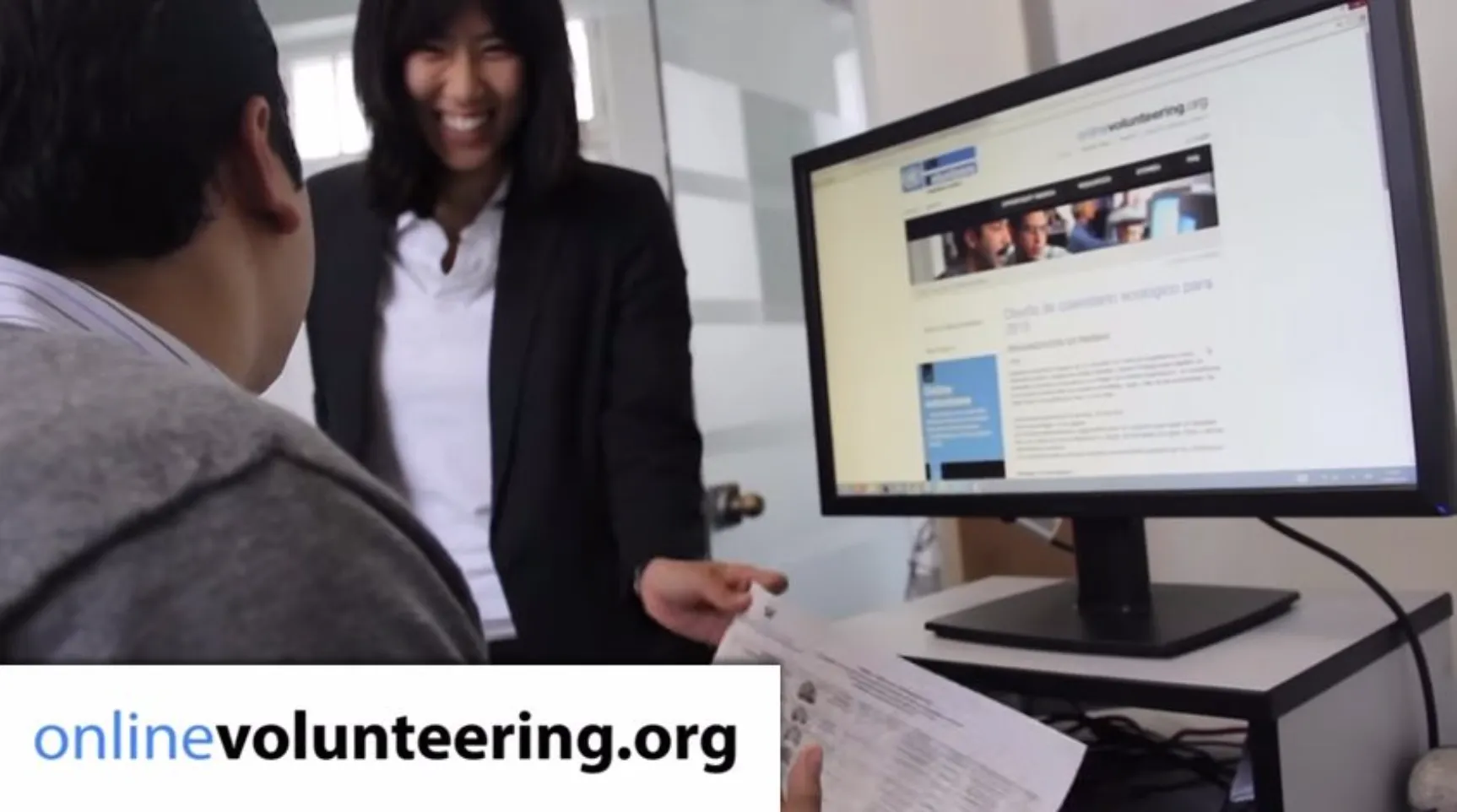
UNV's Online Volunteering service formally launches to encourage a new and more inclusive form of volunteerism, without barriers of time and place.
The UN General Assembly adopt Resolution 55/57 calling upon Members States to promote an environment conducive to the discussion of the characteristics and trend of volunteer action in their own societies.
Since 1971, more than 20,000 UN Volunteers from some 150 developing and industrialized nations have served in about 140 countries.
-
2001
For the first time in UN History, a substansive discussion in the role of volunteerism in the promotion of social development is held, at the 39th session of the United Nations Economis and Social Council's (ECOSOC) Commission for Social Development (SCocD). A special panel of experts, gathered by UNV, preceded the intergovernmental debate.
It results in a draft resolution (E/CAN/2001/L.4), whereby volunteerism is recognized as an important component of any strategy aimed at poverty reduction, sustainable development and social integration, in particular, overcoming social exclusion and discrimination.
2001 is formally celebrated by the General Assembly as the International Year of Volunteers. Celebrations take place worldwide.
-
2002
Kofi Annan, UN Secretary- General, states that "No shift in the way we think or act can be more critical than this: we must put people at the centre of everything we do." Volunteerism continues to make leeway into the global development agenda.
"UNV plays an increasingly pivotal role in mobilizing volunteers and promoting volunteerism," says Mark Malloch Brown, head of the United Nations Development Programme (UNDP).
-
2004
In December, the destruction caused by the Indian Ocean earthquake and tsunami is tremendous. India, Indonesia, the Maldives, Sri Lanka and Thailand are among the hardest hit countries. UNV develops a United Nations Volunteers' Tsunami Framework with and outlay of 7.8 million USD to assist the most affected countries. A total of 132 UN Volunteers are deployed to serve with government agencies, nongovernmental organizations and UN partners. They serve as emergency aid coordinators, psychologists, education specialists, urban planners, project officers and community development specialists.
In the same year, more than 130 UN Volunteers are deployed throughout Afghanistan to raise awareness of the upcoming elections, register voters in remote villages and train ten of thousands of electoral officials. 12 million people cast their votes to elect representatives at the local and national level.
In the photos: UN Volunteers responding to the tsunami in Indonesia and Sri Lanka.
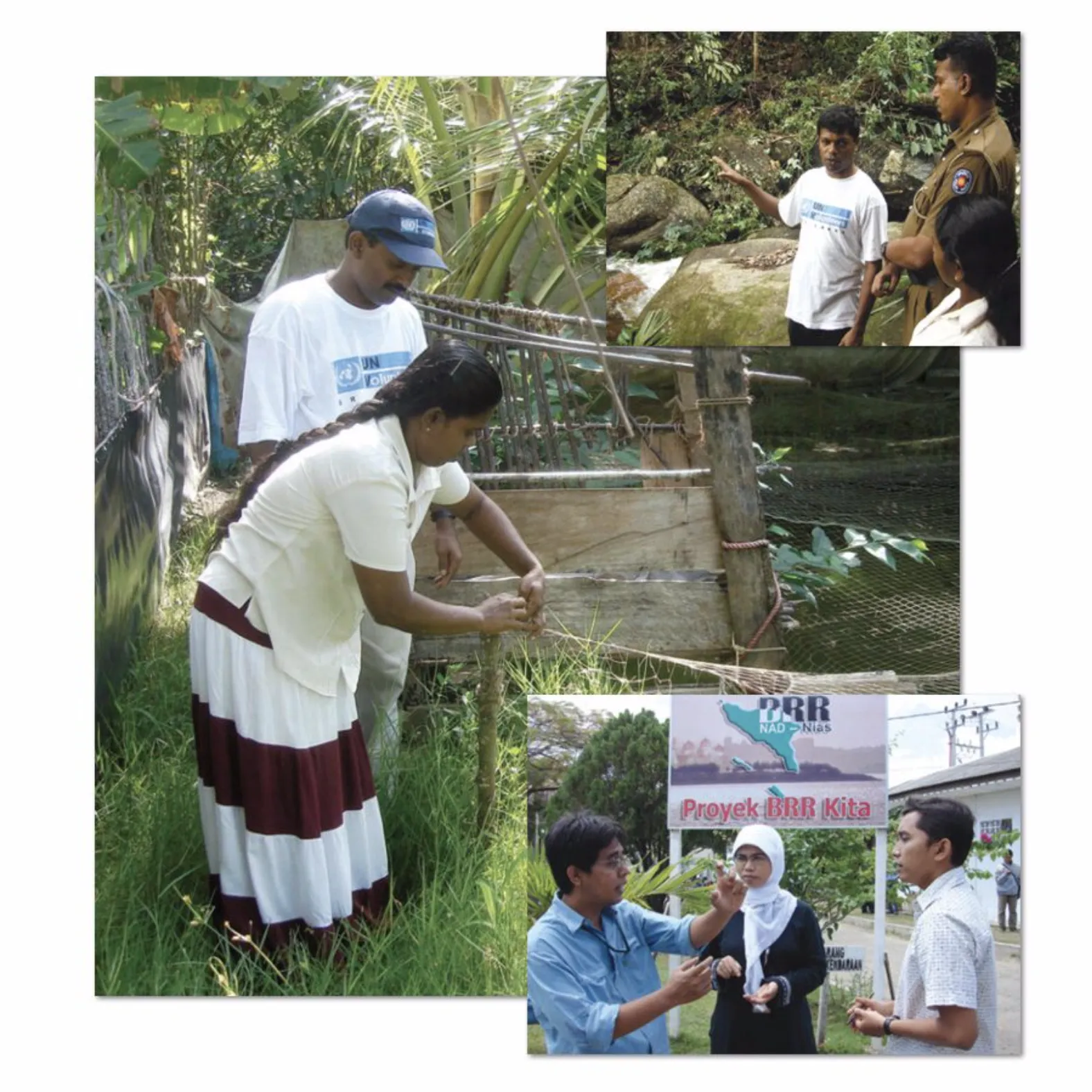 Photo: UN Volunteers responding to the tsunami in Indonesia and Sri Lanka.
-
2005
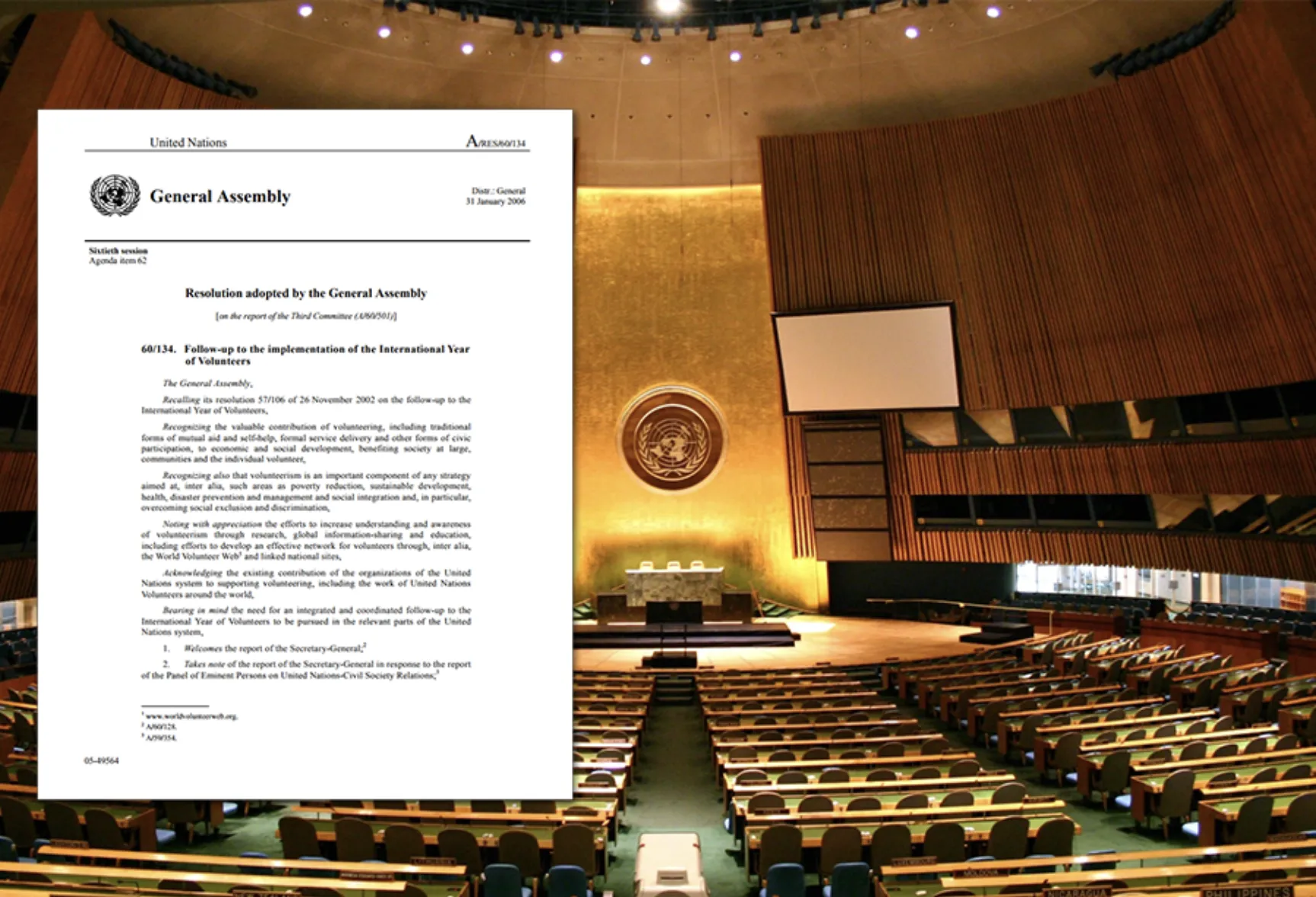
UN General Assembly Resolution 60/134, co-sponsored by 84 Member States and adopts on December 2005, invites all stakeholders, especially from the private sector and from private foundations, to support volunteerism as a strategic tool to enhance and social development, including by expanding corporate volunteering.
-
2007
UN Volunteers serving in their own countries increase to 2,549, representing around a third of all UN Volunteer assignments worldwide.
In the photo: in Kenya,' Mama Mariam' Yahya serves as a neighborhood Volunteer in the Kibera area of Nairobi, forging paths for peace among communities affected by the post-election violence in early 2008.
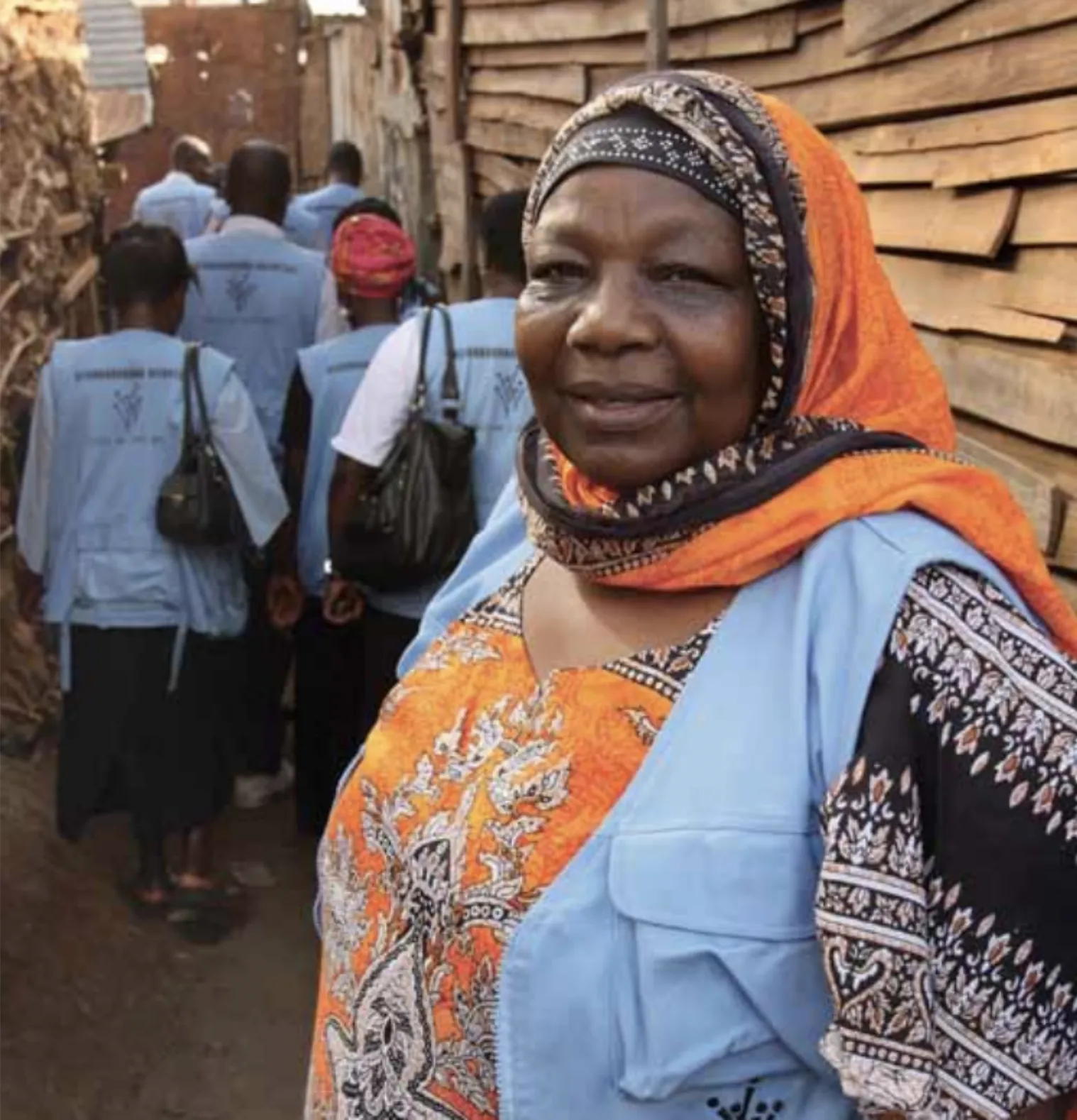 Photo: Harald Franzen.
-
2008
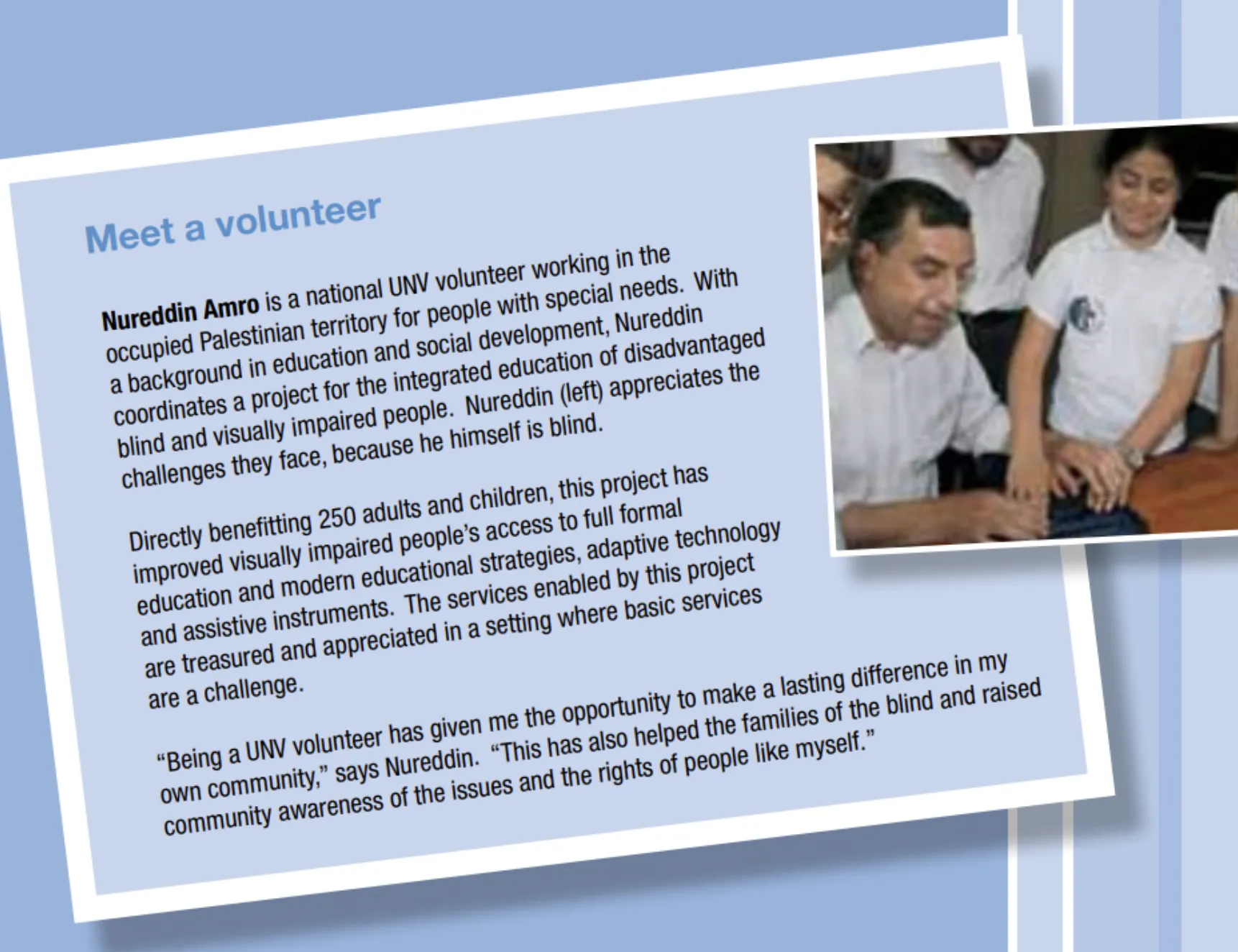
The first reported UN Volunteer with disabilities, Nureddin Amro, begins serving in the State of Palestine to coordinate a project for the integrated education of disadvantages blind and visually impaired people. Since then, UNV continues to make great efforts at integrating volunteers with disabilities into the framework of mobilization, both in the field and through online volunteering.
-
2010
Haiti suffers a catastrophic category 7.0 earthquake in January. The earthquake causes major damage in the capital city, Port-au-Prince, and other areas. Some 230,000 people are killed, 300,000 injured and more than 1.5 million people are left homeless. Three international UN Volunteers and 25 national UN Volunteers are quickly deployed across Haiti to strengthen the national capacity on disaster risk reduction.
Ban Ki-moon, UN Secretary- General, notes that "volunteering is a powerful means to mobilize all segments of society, it unites all individuals and countries in common cores."
-
2011
UN Volunteers support the electoral process which leads to South Sudan becoming the newest independent country in the world.
On 5 December, the General Assembly adopts Resolution 66/67 marking the tenth anniversary of the International Year of Volunteer (IVY+10). The resolution reiterates the need for Member States to continue supporting the new agenda of the international development based on a "people-centred" view to build and maintain peace.
Coinciding with the celebrations of IVY+10 UNV releases its first State of the World's Volunteerism Report on Universal Values for Global Well-being, with the purpose f " (Promoting) a better understanding of volunteerism (and) demonstrating the universality, scope and reach of volunteerism along with new trends in the twenty-first century."
-
2012
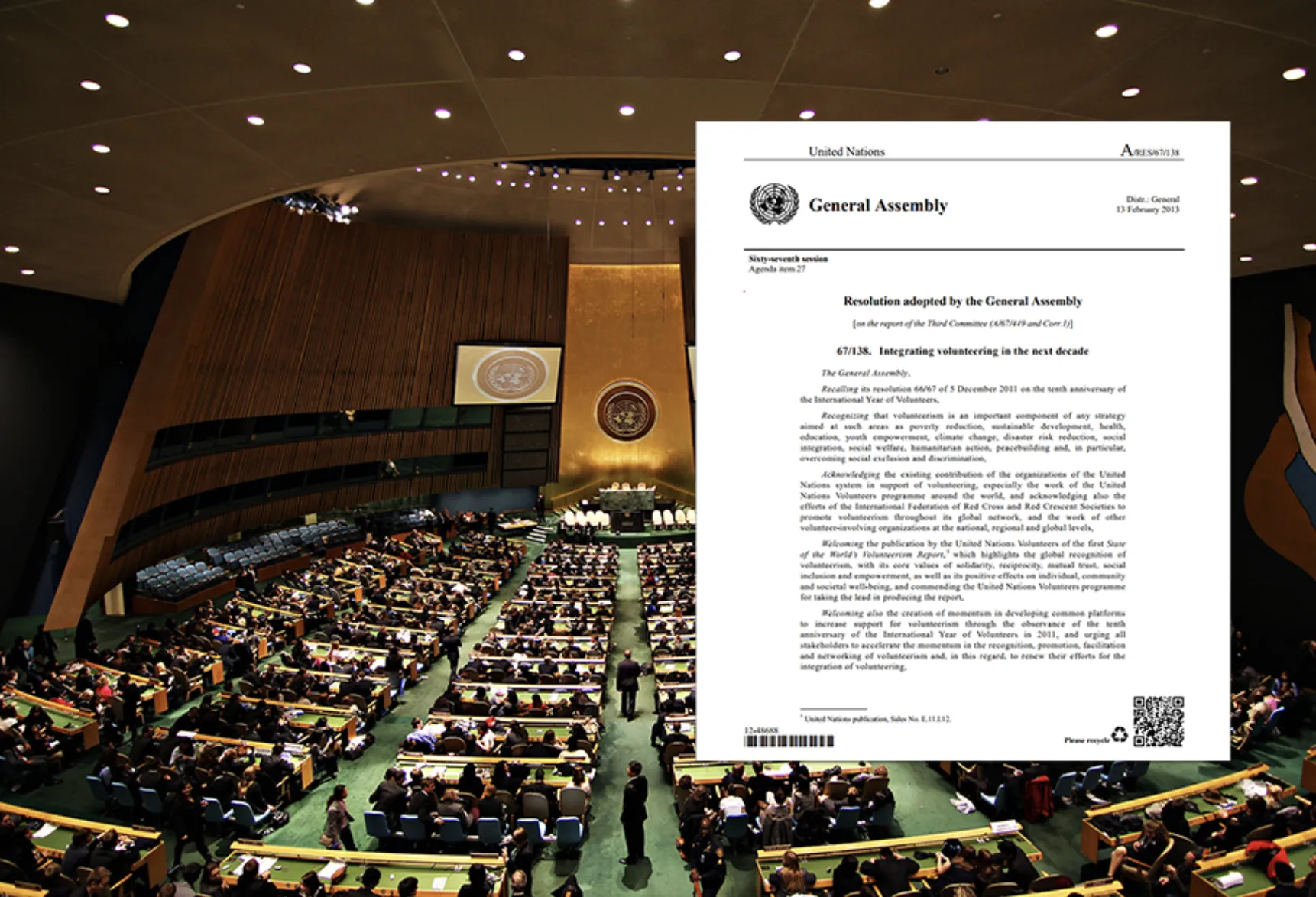
The General Assembly, through Resolution 67/138, requests the secretary-General to present a plan of action to be developed by UNV to integrate volunteering into peace and development in the next decade and beyond.
-
2014
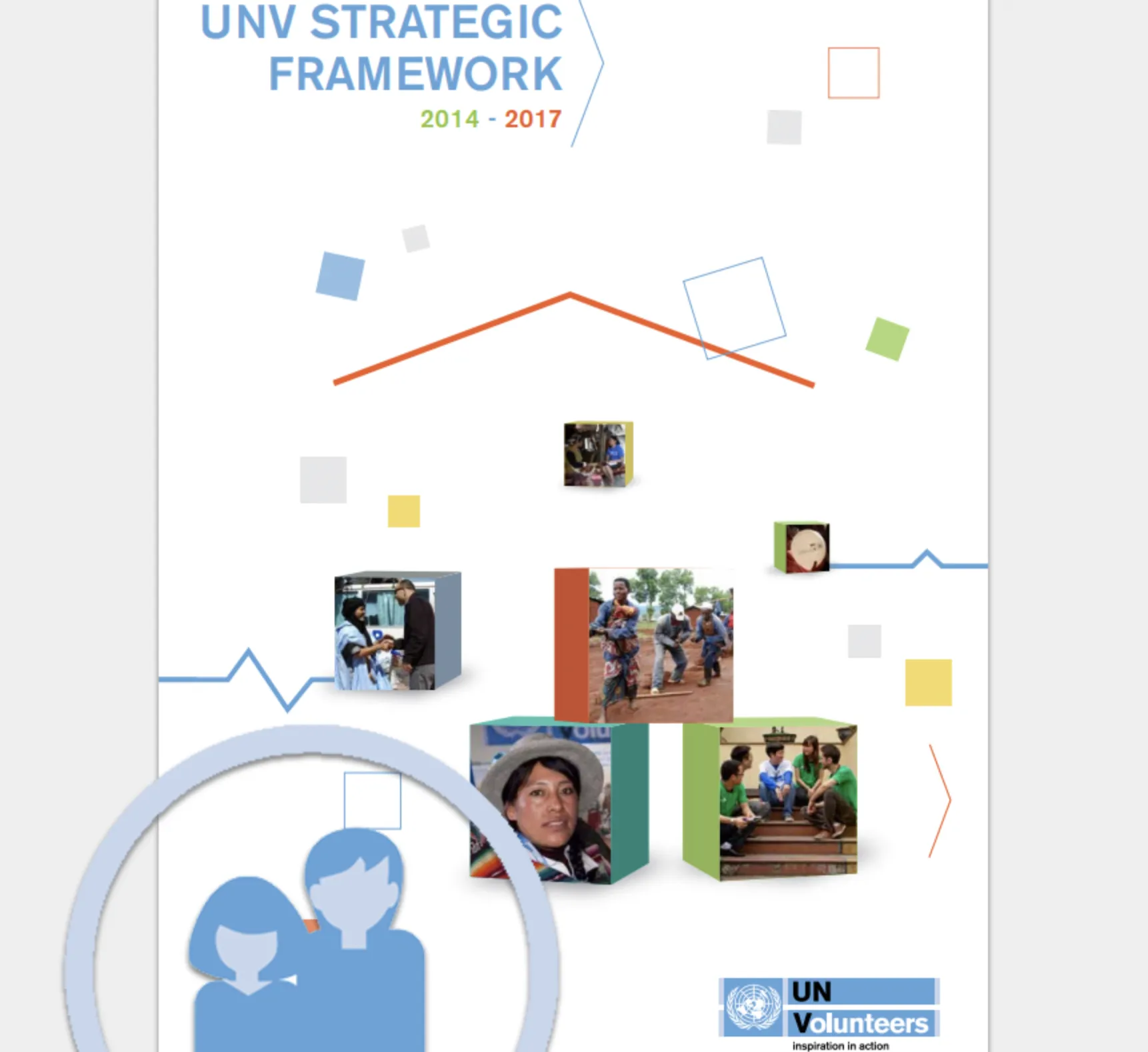
With a consistent emphasis on the role of youth in volunteerism, UNV formally introduces the UN Youth Volunteer modality, one of the first outcomes of the new UN Youth Volunteer Programme launched in the same year along with the new UNV Strategic Framework.
The purpose of the modality is to highlight the positive outcomes of previous UN Youth Volunteer engagements, while also creating a distinct framework for the way in which youth volunteers can contribute to international development. One year later, UNV deploys 435 UN Youth Volunteers form 49 countries, 263 of them women.
In response to the Ebola epidemic, UNV deploys 19 UN Volunteers in Sierra Leaon, 218 in Liberia and 18 in Guinea. These specialists serve as UN Volunteers with the United Nations Children's Fund (UNICEF), the World Food Programme (WFP), the United Nations Development Programme (UNDP), the Food and Agriculture Oragnization of the United Nations (FAO), the United Nations Entity for Gender Equality and the Empowerment of Women (UN Women), the United Nations Mission in Liberia (UNMIL), the United Nations High Commissioner of Refugees (UNHCR), the Office of the High Commissioner for Human Rights (OHCHR), and the United Nations Office for Project Services (UNOPS). By the end of 2014, 48 UN Volunteers are on the ground in those three countries, with ten UN Volunteers supporting the UN Mission for Ebola Emergency Response (UNMEER). Partnering with WFP, UN Volunteers were integral in reaching over 600,000 Ebola- affected people in Sierra Leone.
Moreover, in less than five days in August 2014, over 300 UN Online Volunteers are mobilized to quickly produce or update maps of relevant areas in Sierra Leone and Liberia to facilitate the work of humanitarian responders. UN Online Volunteers are also involved in the development of infographics, posters, flyers and websites to raise awareness of Ebola.
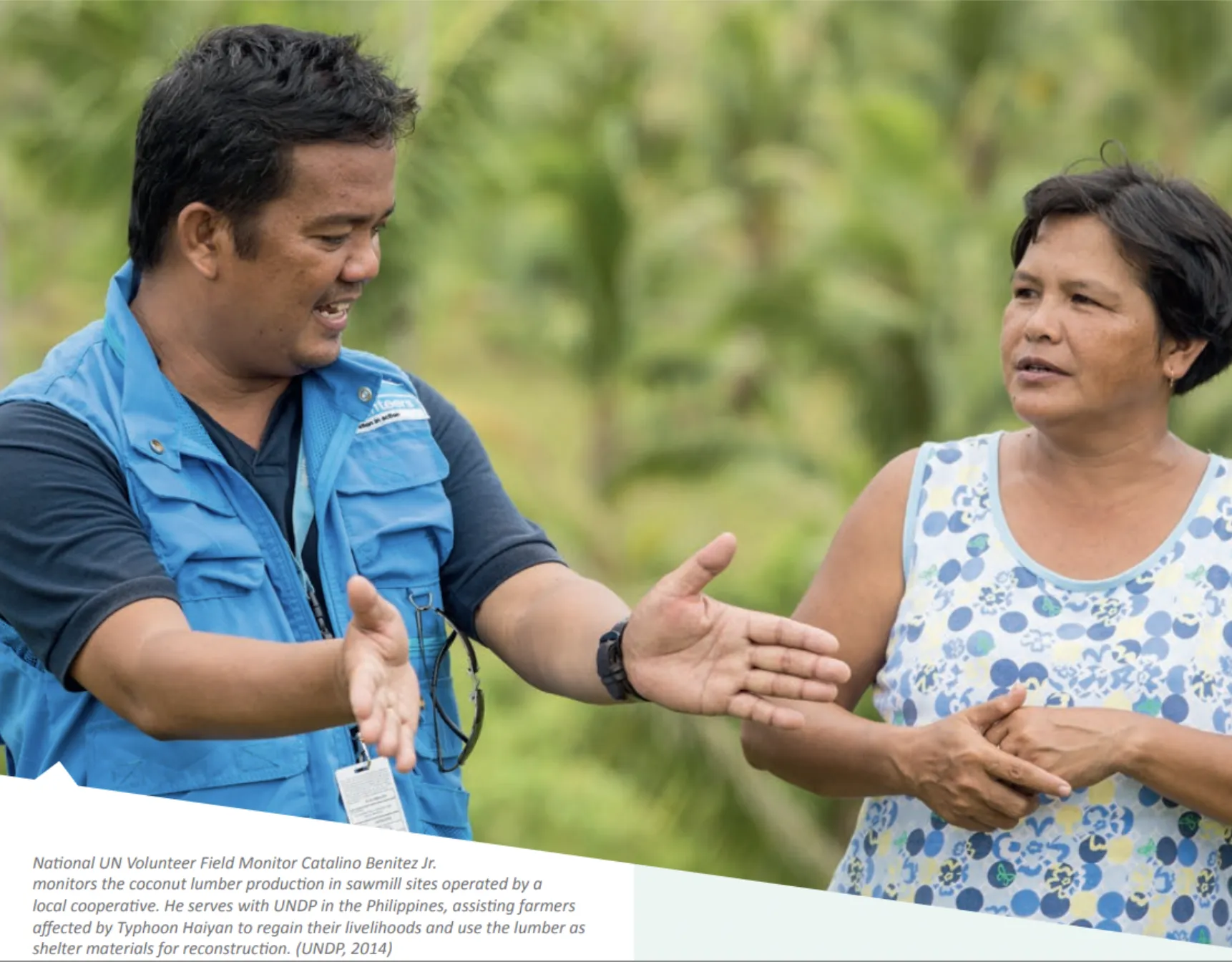
In November 2013, Typhoon Haiyan hits the Philippines killing 6,000 people, displacing four million and destroying community infrastructure throughout the country. Un Volunteers serve with the United Nations Office for the Coordination of Humanitarian Affairs (OCHA) IN Manilla at the forefront of the recovery response. UNV quickly mobilizes 20 UNV Volunteers, most of them national.
-
2015
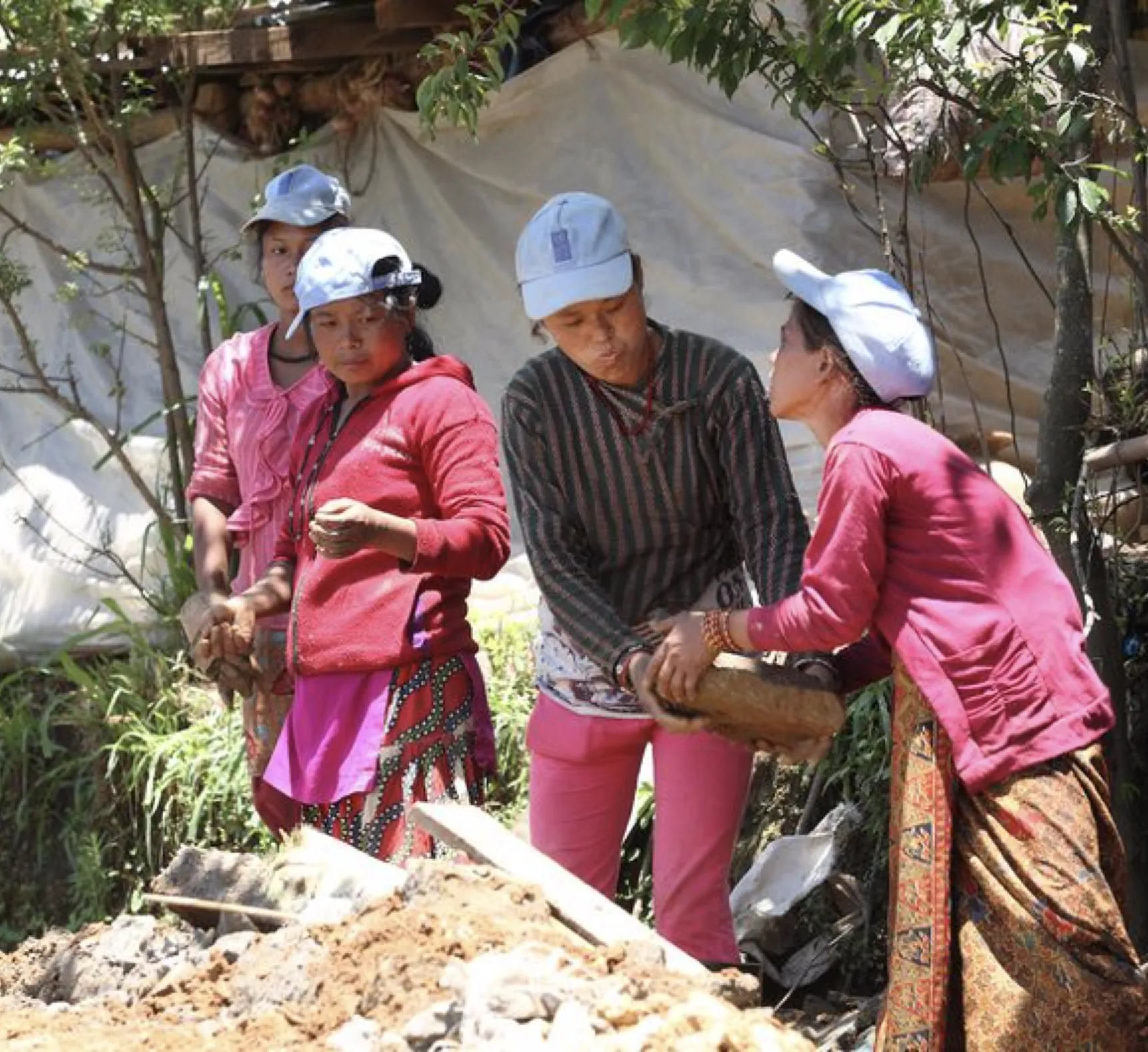
In the wake of the 2015 Nepal earthquake, UNV partners with the United Nations Development Programme (UNDP) to swiftly mobilize 107 UN Volunteers to perform critical functions and delivers services to earthquake victims (photo.)
In the same year, the General Assembly adopts Resolution 70/129, "Integrating volunteering into peace and development: the plan of action for the next decade and beyond." The Resolution recognizes that volunteerism can be a powerful means of implementation for the 2030 Agenda for Sustainable Development. In the Resolution, the General Assembly calls upon Member States, the UN system and a wide range of stakeholders to support and resource the Plan and recognizes UNV as the appropriate UN entity to support its implementation.
In the same year, UNV publishes its second State of the World's Volunteerism Report, Transforming Governance, which offers a new and comprehensive evaluation of the role of civic engagement on a domestic level to ensure national capacity through volunteerism. At the same time, it also outlines UNV's new commitment to the Sustainable Development Goals, which are adopted in September.
-
2015-2016
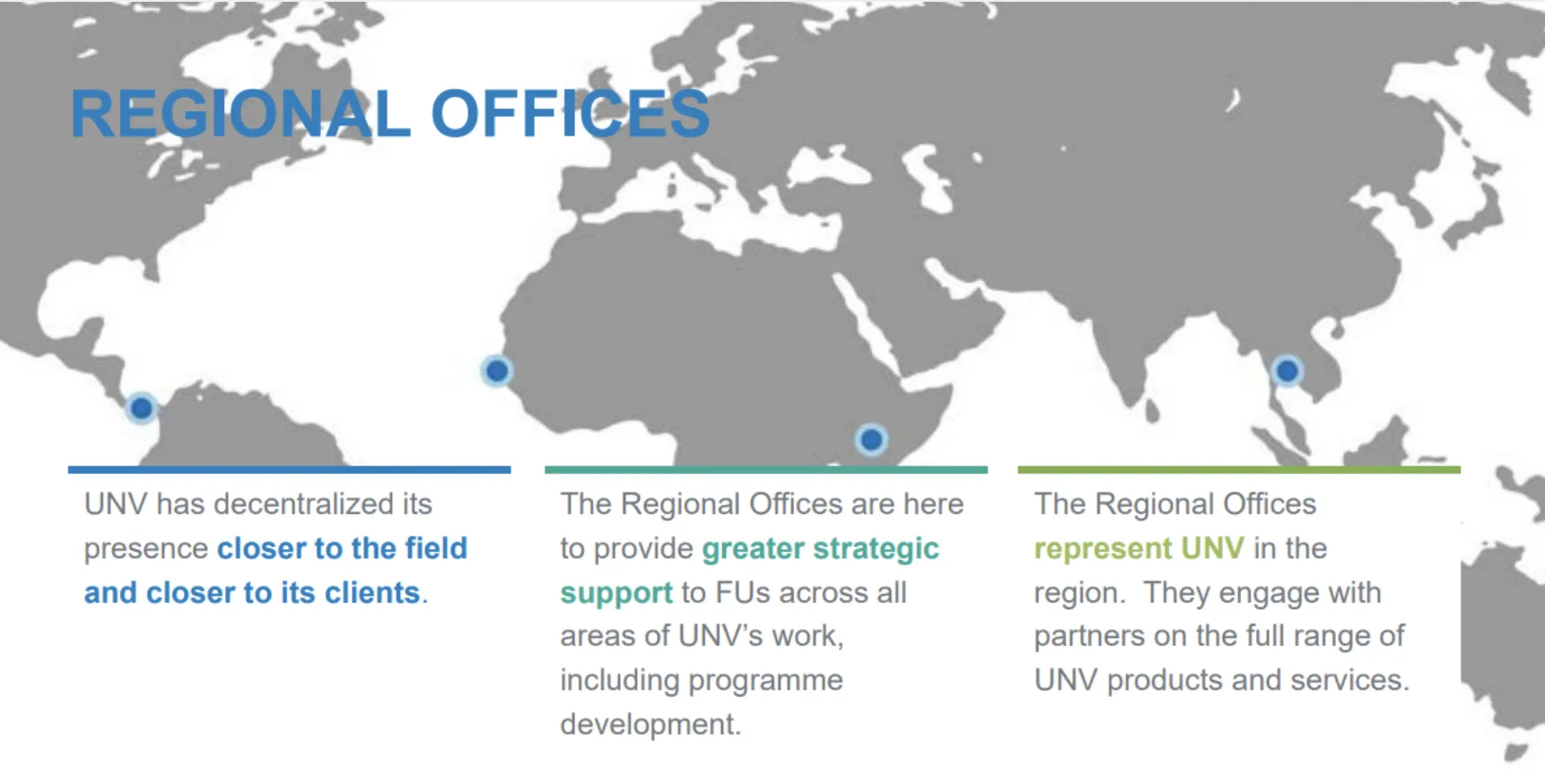
UNV opens Regional Offices in Bangkok (Asia and the Pacific), Dakar (West and Central Africa), Nairobi (East and Southern Africa) and Panama City (Latin America and Caribbean) to further develop regional interventions to advance peace and development through volunteerism. These are followed shortly after with a Regional Office in Amman (Arab States, Europe and the CIS) which split into two in Amman (Arab States and Istanbul (Europe and the CIS) in 2019.
-
2016
After the 7.8 – magnitude earthquake that hit Ecuador in April, affecting the lives of around 720,000 people and with almost 30,000 people having to seek refuge in temporary camps, UNV supports the work of UN agencies with the rapid mobilization of 29 national and 3 international UN Volunteers who work on emergency response, most of them in the areas directly affected by the catastrophe.
In the photo: Andrea Cuisana(right), national UN Volunteer Specialist, Project and Camp Management Assistant, and David Barreno, national UN Volunteer Specialist, Procurement and Logistics Assistant, serve with IOM in Manta, Ecuador to help rebuild affected communities after the earthquake. (Juan Diego Perez Arias/ UNV, 2016)
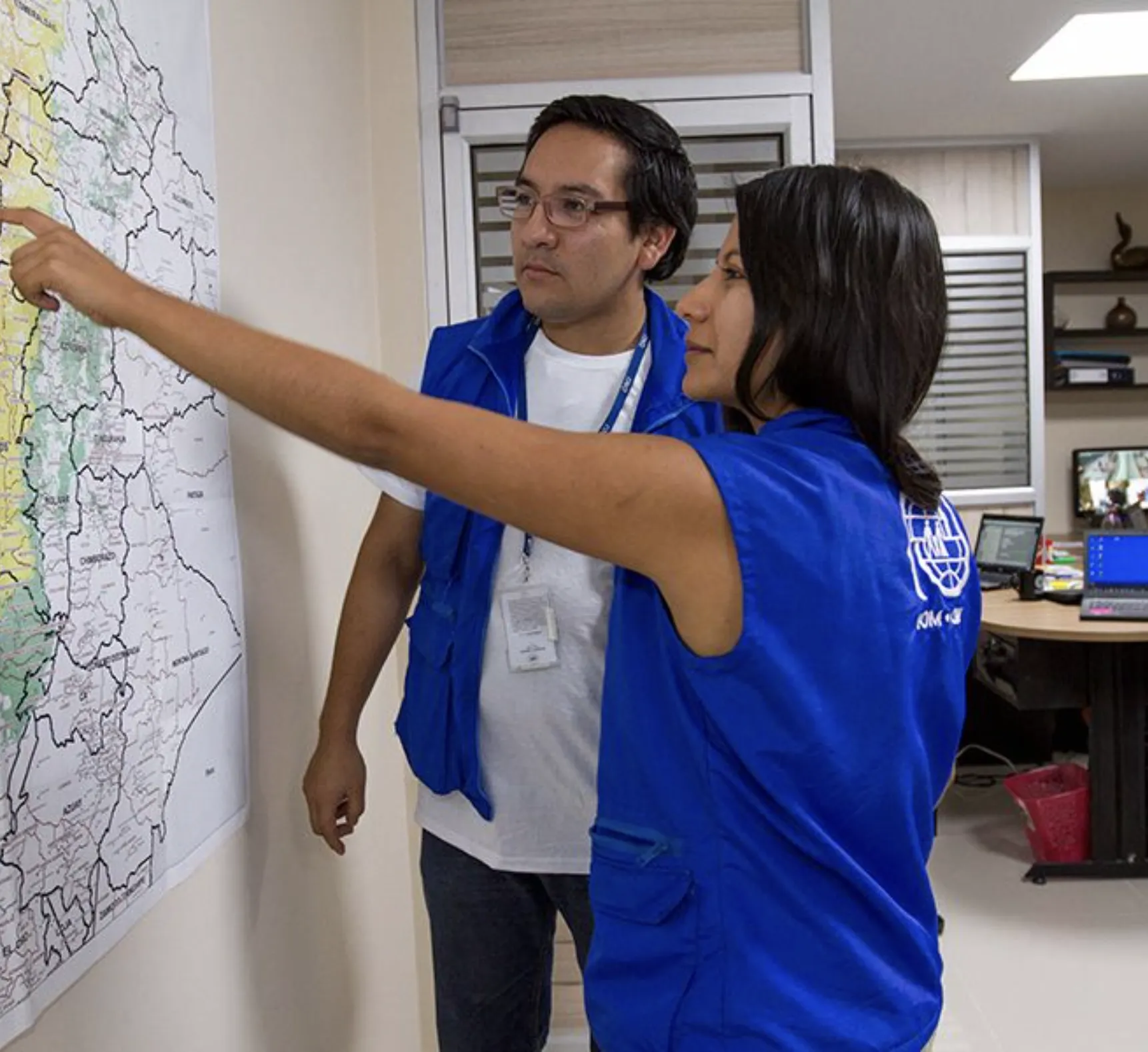 Photo: Juan Diego Pérez Arias/UNV, 2016.
-
2017
UNV transforms itself once again, reshaping its workforce and geographical presence to adapt to the changing landscape of UN efforts to secure peace and development around the world. Following the lead of the UN Secretariat and the call by Member States form the Quadrennial Comprehensive Policy Review (QCPR) on the effectiveness of UN operations and missions, UNV puts into place a new business model and increases its regional presence at the field-level. Aligning to broader changes across the UN system, UNV's new structure assures that the organization is fit for purpose and delivers valuable support to partners with sharp focus on the Least Developed Countries (LCDs) and UN Missions. UNV continues to advocate the role of volunteerism in the global development agenda.
Since its inception, UNV has deployed tens of thousands of UN Volunteers from over 150 nationalities to serve in more than 130 countries, and engages over 11,00 UN Online Volunteers annually I assignments carried out remotely. UNV has partnered with UN Member States, UN agencies, civil society organizations, academia, the private sector and others to help carry out its goal throughout the years.
-
2018
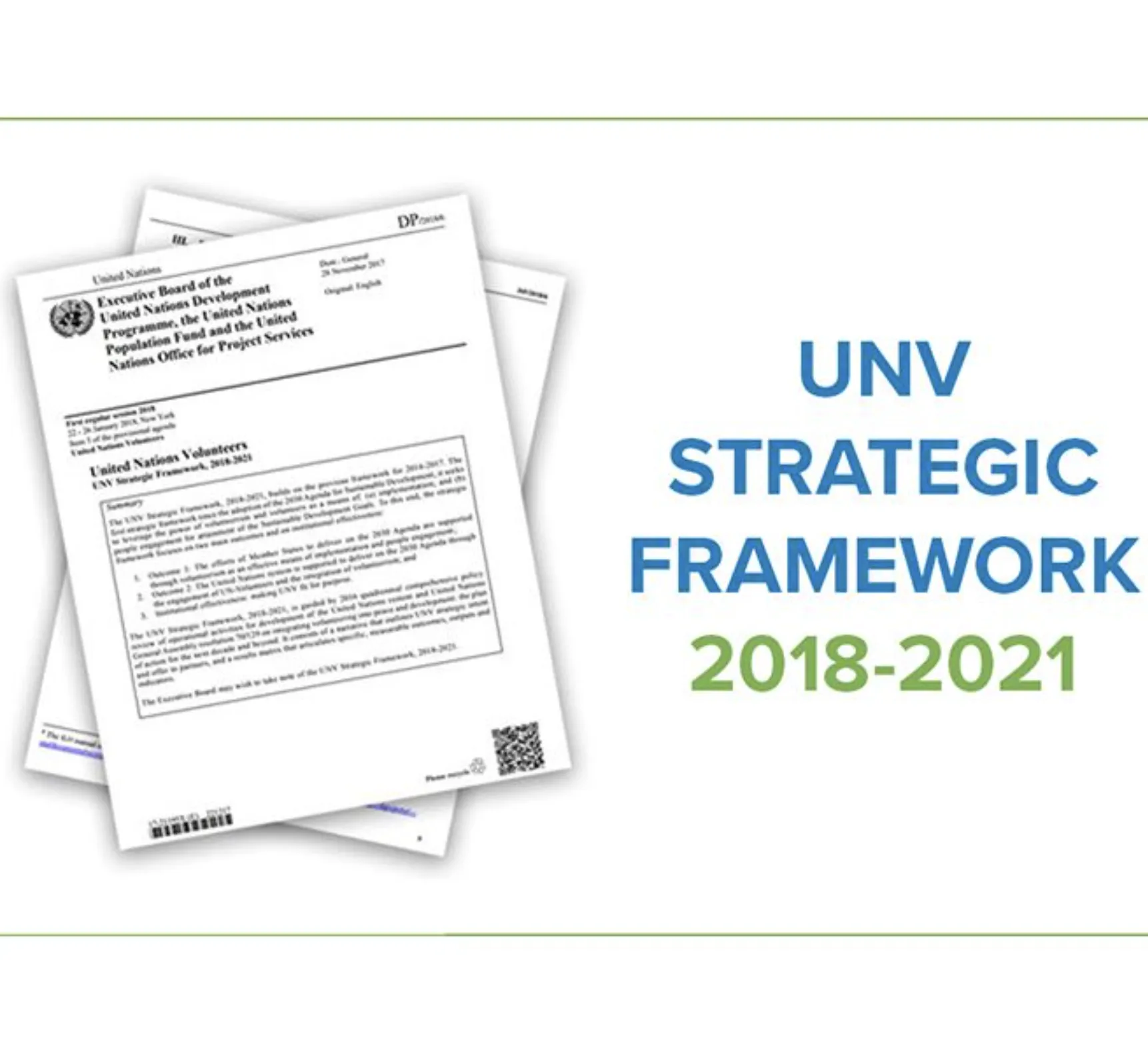
UNV launched its Strategic Framework 2018- 2021, which was guided by the quadrennial Comprehensive Policy Review of operational activities for development of the United Nations system and United Nations General Assembly resolution 70/129. This strategy built on the previous framework for 2014-2017. The strategic framework seeks to leverage the power of volunteerism and volunteers in achieving the two important outcomes and institutional effectiveness- making UNV fir for purpose.
The main outcomes are as follows:
Outcome 1: the efforts of Member States to deliver on the 20230 Agenda are supported through volunteerism as an effective means of implementation and people engagement
Outcome 2: the United Nations System is supported to deliver on the 20230 Agenda through the engagement of UN Volunteers and the integration of volunteerism
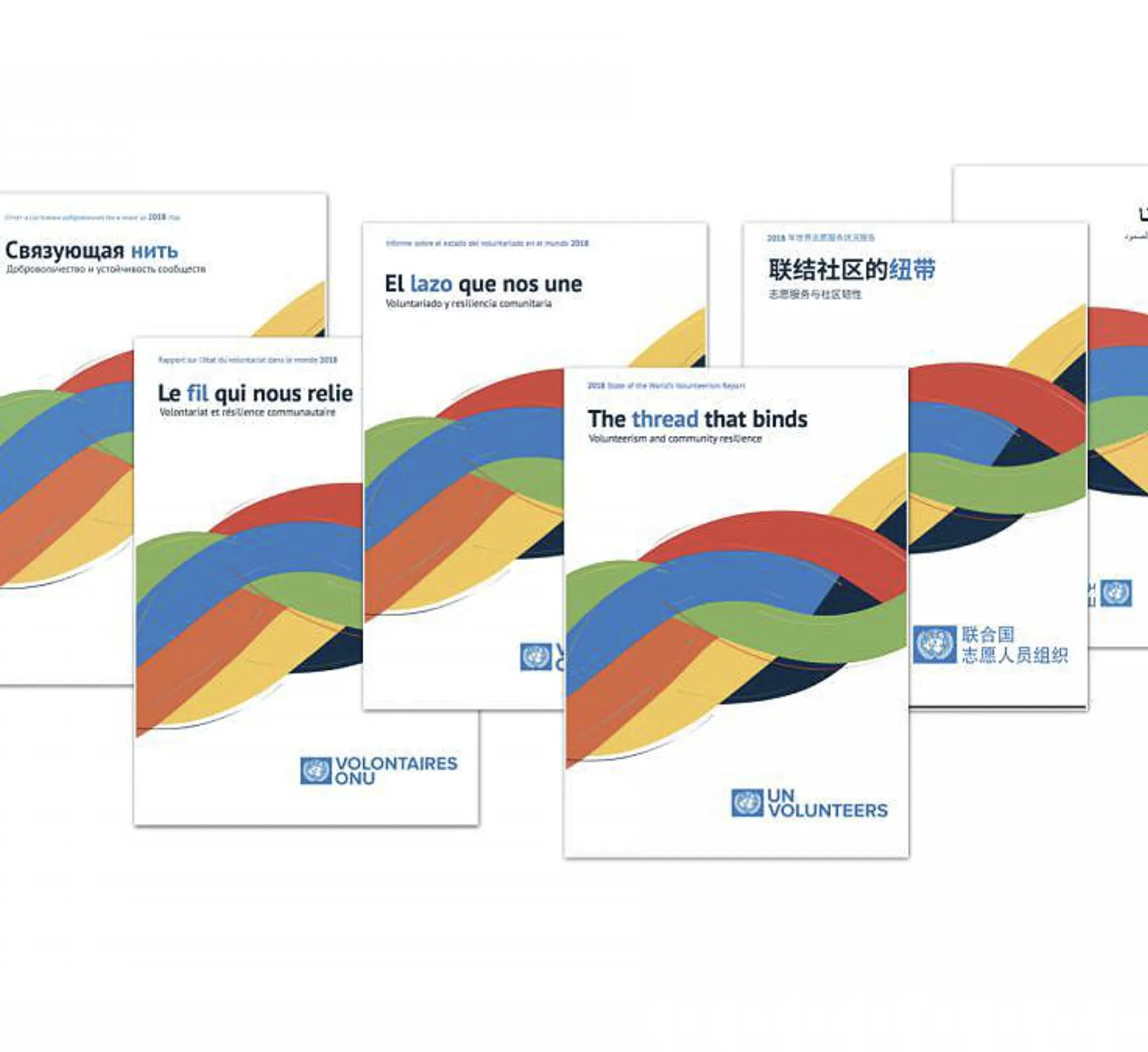
The state of the World's Volunteerism Report (SWVR), The thread that binds: Volunteerism and community resilience, was published in 2018. By looking at the interaction between volunteerism and community resilience in different contexts, the report explores the strengths and limitations of community responses to a range of challenges. It also examines how external actors can play a part in helping to build on community self-organization and nurture the value of volunteerism, while minimizing potential dangers and injuries to the vulnerable. The report makes an important contribution on inclusive and citizen-led approaches to resilience-building.
-
2019-2021
The Digital Transformation (DT) project is UNV's ambitious plan to better serve the UN system in achieving the Sustainable Development Goals (SDGs). This project, which is supported by the Government of Germany, represented by the Federal Ministry of Economic Cooperation and Development (BMZ), aims to increase staff productivity and client satisfaction, while reducing workload and streamlining processes, all through digitalization. Through the DT project, UNV will remove inefficiencies in recruiting and managing UN Volunteers and assignments, introduce automation for candidates and host managers, and improve inclusiveness.
Outputs include:
a new Client Relationship Management (CRM) system, which enables UNV to deliver a unified and accessible user experience through web and cloud technologies
an Enterprise Business Intelligence (BI) solution, which supports the creation of data reports and analyses;
introducing artificial intelligence for equitable and efficient volunteer selections
a Service Desk to enhance responsiveness to stakeholders; and
the unified Volunteer Platform (UVP), which will be launched in 2021.
Peruse coverage of the Digital Transformation project and UNV's progress.
-
2020
Since the outbreak of COVID-19 pandemic, volunteers have been at the forefront of the response, helping to protect communities, raise awareness and support recovery from the losses. In this context, UNV and UN Volunteers are playing a pivotal role in supporting the United Nations system response.
Read more on UNV's COVID-19 pandemic response, where you will find information for partners, potential and serving UN Volunteers.
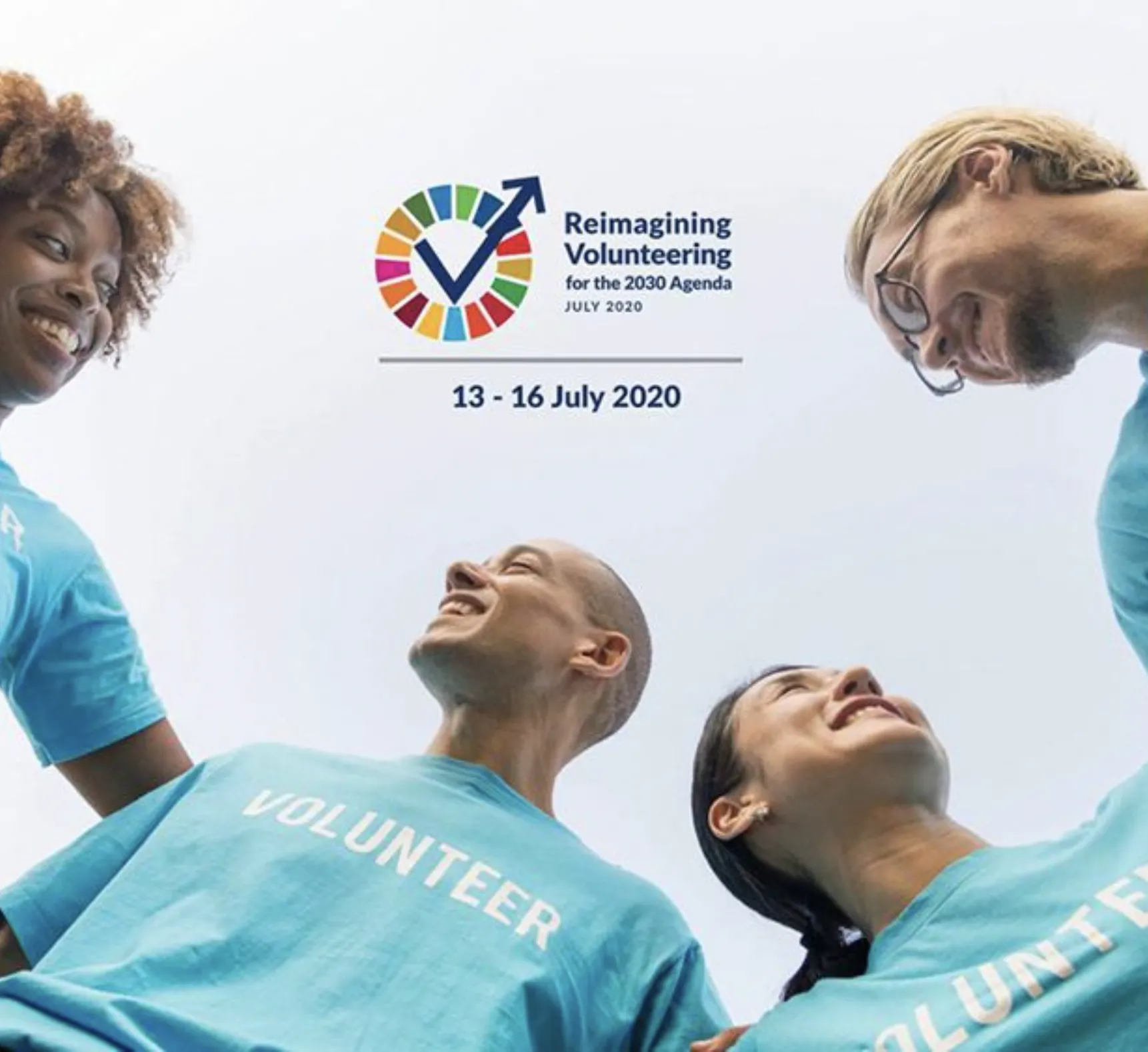
During 2020, UNV convened the Global Technical Meeting (GTM) on Re-Imaging Volunteering for the 2030 Agenda online from 13-16 July. This forum brought together stakeholders to discuss experiences and good practices in integrating volunteering into efforts towards the SDGs. The main objective of the meeting were to both inform the conversation on volunteering and reimagining perspectives on volunteerism. The main outcome document, a Call to Action on Volunteering in the Decade of Action, calls for the alignment of volunteer efforts with the 2030 Agenda, and for deepening the engagement and common solidarity of the global volunteering community to help deliver the SDGs.