



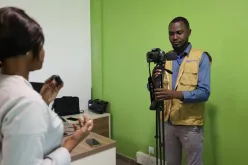
In Chad and Niger, three national UN Volunteers are flipping the script on inclusion—by living it. Meet Kadiatou Moumouni, Damba Kalki Zoua, and Bekoutou Junior Masra. They’re part of a bold initiative placing UN Volunteers with disabilities in Resident Coordinator Offices across West and Central Africa. The idea is simple but powerful: if you want to build an inclusive system, start by including those who know what exclusion feels like.
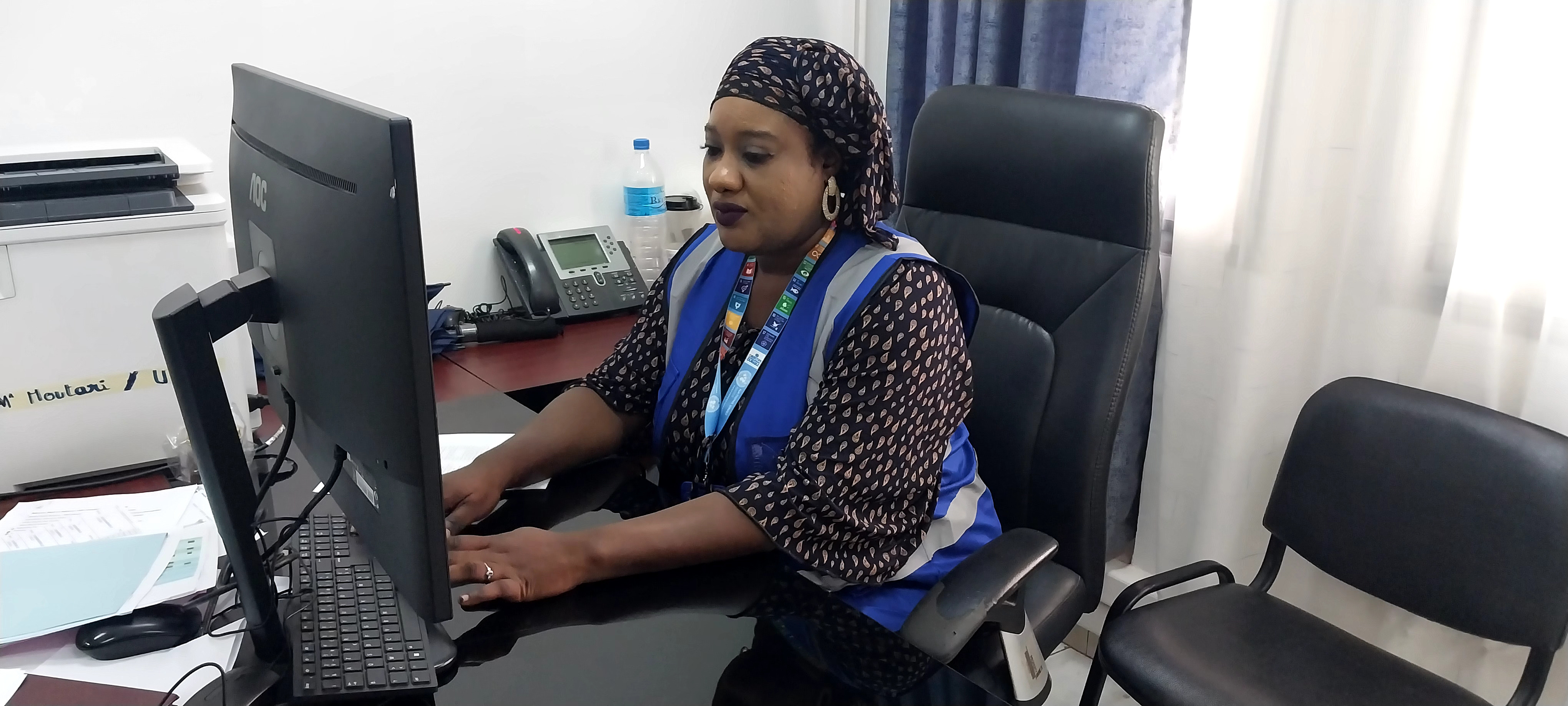
In Niger, Kadiatou Moumouni is more than a UN Volunteer; she’s part of what defines the new normal in the UN system—inclusion. At the Resident Coordinator’s Office (RCO), she connects government, UN agencies, and civil society to champion gender equality, human rights, and disability inclusion. One of her standout contributions? A simple attendance sheet—redesigned to track the participation of persons with disabilities. “That one change gave us better data and made invisible voices visible.” Her advocacy also led to improvements, such as ramps being installed at the RCO and UNDP offices.
I’ve faced real barriers, physical ones, yes, but also a lack of understanding about what disability actually means. That’s why inclusion can’t be theoretical. It must shape everything: infrastructure, data, and mindset."
As Niger’s representative on the Women’s Peace and Humanitarian Fund technical committee, she ensures gender and disability are part of every funding decision. “Her engagement has transformed how we act on the ground,” said Mama Keita, UN Resident Coordinator. “Kadiatou’s helped advance the inclusion agenda within the UN system here.”
In Chad, Damba Kalki Zoua is a Data Analyst with the RCO and works behind the scenes on Peacebuilding Fund projects—tracking indicators, analyzing trends, and making sure decisions are backed by evidence.
But for Damba, data is never just data. “In high school, I lost a whole year because I wasn’t allowed to take a technical exam—just because of my disability,” he said. “That experience shaped my entire perspective. It made me committed to creating systems where nobody is excluded because of perception or prejudice.” That lived experience now guides how he works.
“When you live certain realities, you don’t forget them when looking at numbers. That context matters. Inclusion shouldn’t depend on luck or goodwill. It should be standard.”
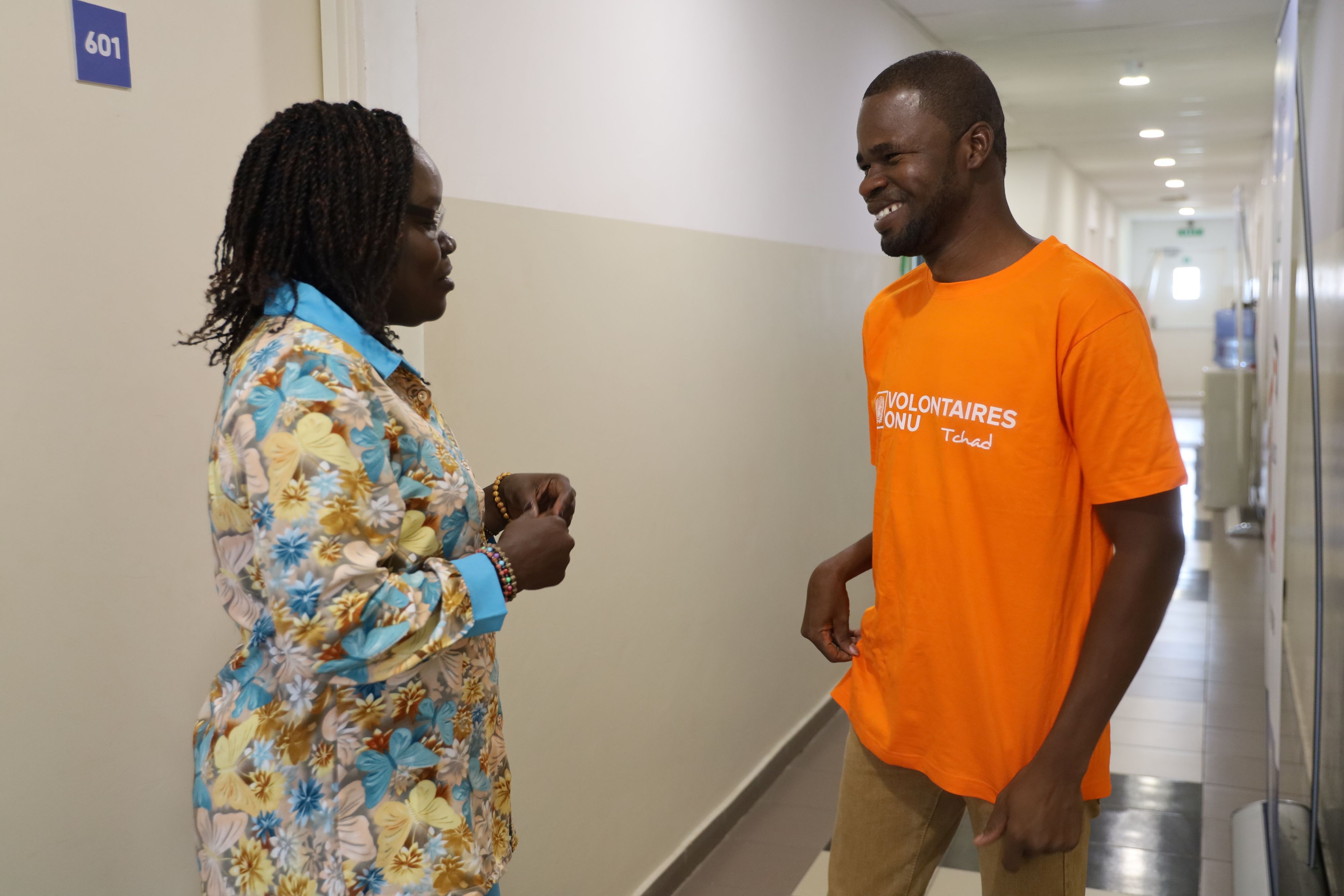
Also in Chad, Bekoutou Junior Masra is making sure peacebuilding efforts don’t go unnoticed. From crafting digital content to joining high-level UN country team meetings, he’s the voice behind the visibility of the Peacebuilding Fund. But visibility means more than communications.
When you're the only one in the room with a visible disability, it comes with biases and expectations. I choose to respond by contributing clearly, consistently, and with purpose."
Bekoutou adds, “Here, I’m not seen through the lens of my disability. I’m seen through the lens of what I bring to the team. Few people my age get to sit at the Resident Coordinator’s table every week,” he adds. “It’s a responsibility I take seriously.”
The 'Championing Disability Inclusion with RCOs' initiative puts concrete action behind the word inclusion. By placing national UN Volunteers with disabilities in key roles across nine Resident Coordinator Offices, the initiative ensures that those with lived experience are not just represented—they’re embedded in coordination.
The goal? Inclusion by design, not by exception.
Volunteers in this initiative work on:
• Communication and visibility
• Data collection and analysis
• Monitoring, reporting, and knowledge products
• Gender equality and human rights