



In the eastern Democratic Republic of the Congo, silence speaks volumes. Schools stand empty. Families flee in the night. Communities carry wounds no one sees. This region is home to one of the world’s most complex humanitarian crises, with some 6.9 million internally displaced and over 5 million living in the eastern provinces of North Kivu, South Kivu, and Ituri. Amidst this turmoil, in places like Beni and Goma, Kakessiwa Kokou Komlan and Laetitia Furaha show up every day—not for recognition, but to build peace. They are UN Volunteers.
Peace is when people can speak without fear
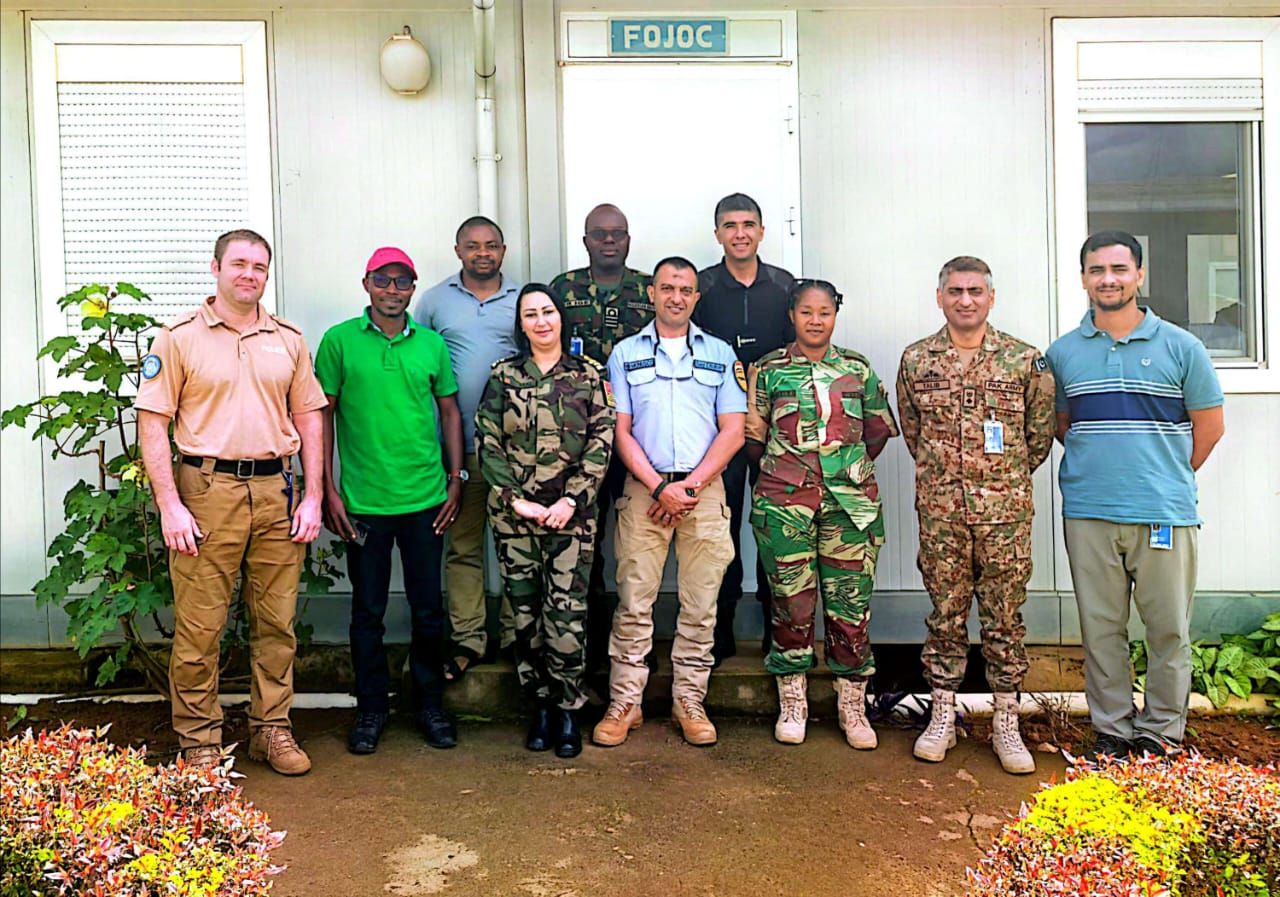
In Beni, Kakessiwa, originally from Togo, serves as a UN Volunteer Civil Affairs Officer at the United Nations Organization Stabilization Mission in the Democratic Republic of the Congo (MONUSCO) Joint Operations Center. His role is to track security developments and coordinate responses between military, police, and civilian actors.
“Every line in a report is not just data,” he explains. “It represents people who may have fled their homes, families in danger. My job is to make sure we react quickly and in a coordinated way so they know they are not alone.”
The challenges are constant. Armed groups such as the ADF, M23, and Mayi Mayi continue to destabilize the area, testing both local resilience and MONUSCO’s limited resources. For Kakessiwa, the link between security and peace is direct: “We cannot talk about democracy or freedom if people fear leaving their homes. Peace starts with safety.” His supervisor at the Joint Operations Center says, “Kakessiwa’s contribution is critical. His ability to connect information and ensure timely coordination has saved lives. He brings clarity and calm to moments of real uncertainty.”
Sometimes a phone call can change everything
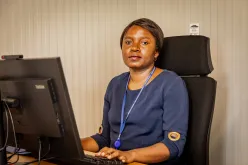
In Goma, the frontline takes another form. Laetitia Furaha, UN Volunteer for Victims’ Rights, spends her days reaching out to survivors of sexual exploitation and abuse.
“Sometimes it’s a simple call to ask, How are you holding up today?” she says. “That moment tells them they are seen, they are heard, they are not forgotten.”
Laetitia also supports awareness campaigns and dialogues on victims’ rights. She has seen the beginnings of change: “When a woman speaks after years of silence, when a community chooses justice over revenge, these are not statistics. They are turning points.”
Security challenges often force her to adapt, including working remotely when access is cut off. Yet her position as a national volunteer makes her role especially meaningful. “Communities trust me because I am one of them. That trust is the first step toward healing.” “Laetitia brings empathy and credibility that are hard to replace,” says a colleague from MONUSCO’s Victims’ Rights Unit. “Her presence helps survivors feel respected and safe enough to share their stories. That trust is where real healing begins.”
A fragile but possible peace
On this International Day of Peace, Kakessiwa and Laetitia work together with 225 UN Volunteers serving across the DRC—not just as witnesses to conflict, but as pillars of peace. Their daily work proves that peace is not a distant dream. It’s a deliberate, courageous choice—made in classrooms reopened, communities rebuilt, and hope restored.
For more information about UN Volunteer assignments and how you can get involved, click here. To read our stories, click here.