



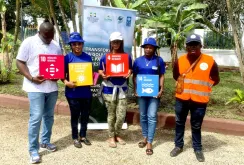
Gabon is green—over 88 percent of its land is forest. Thirteen national parks guard an 11 percent chunk of it. But protecting nature isn’t just about drawing lines on a map. It’s about the people who live there, depend on it, and fight to keep it alive. Twenty-two UN Volunteers, including members of the Pygmy community, one of Gabon’s most underrepresented groups, are at the heart of Transformation of Forest Landscape Governance in the Bas Ogooué – Lower Nyanga Corridor, a six-year initiative backed by the Global Environment Facility and the United Nations Development Programme (UNDP).
The initiative focuses on protecting forests—vital for wildlife, climate, and the communities that depend on them. It also supports the government’s ongoing efforts, launched in 2022, to strengthen forest management across Gabon. Working in 17 rural communities, these UN Volunteers gather local knowledge, lead discussions, and share practical tips on how to protect the environment.
UN Volunteer Mobilization and Capacity Building Specialist for Environmental and Social Monitoring, Simon Stevan Ndong Ekome, is based in Tchibanga and leads campaigns that reached over 500 people. He helped build a guide to document plants, farming, and forest customs. He trains locals on environmental laws and works with grassroots groups to protect biodiversity. “When communities see their knowledge being written down, it builds trust,” Simon says.
Further south in Ndenguilila, UN Community Volunteer and Traditional Ecological Knowledge Reviewer, Natacha Ntsame Nzogho, worked with elders, women, and youth. Together, they recorded over 80 medicinal plants, sacred sites, and seasonal customs. Her respectful approach opened doors. “They just needed to know it mattered,” she recalls.
In Ngando, Jean Olivier Manicka, also a UN Community Volunteer and Knowledge Reviewer, returned to his home village. He joined fishing trips, storytelling circles, and traditional gatherings. He mapped wildlife paths, forest elephants, and hidden habitats. “People opened up to me because they knew me,” he explains.
These volunteers have reached 1,000 people directly and 10,000 indirectly—across more than 50,000 hectares of forest. But it’s not easy. Roads are rough. Mobile networks are weak. Languages vary. Some communities were hesitant to share. So volunteers got creative—they used comics based on local stories and held sessions in native languages.
They didn’t stop at education. They helped locals sign up for the UN Volunteer platform. They teamed up with groups working in ecotourism and gorilla protection. They pushed for alternative livelihoods—like harvesting non-timber forest products and starting small businesses—to ease pressure on the forests.
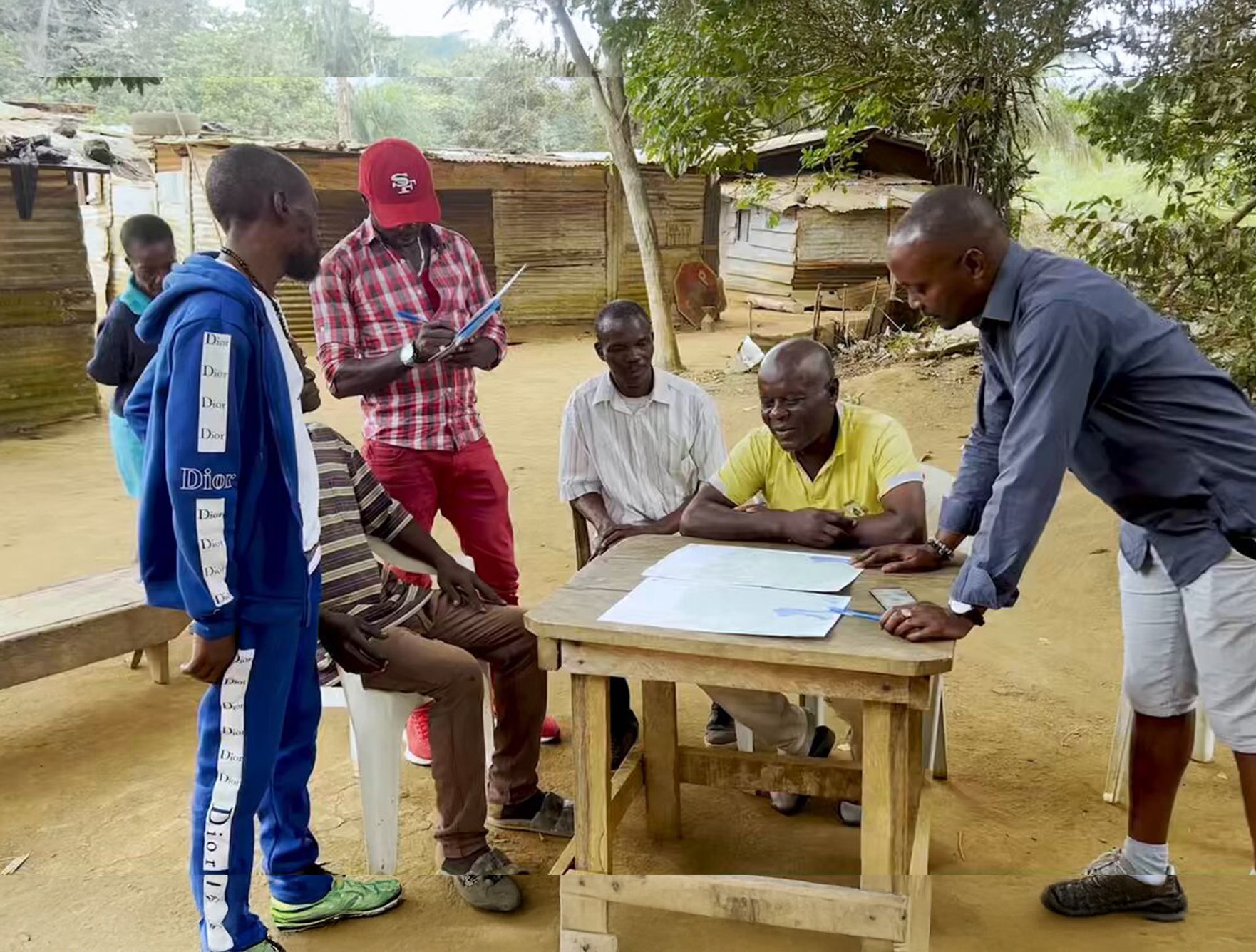
Aline Malibangar, Senior Project Manager for the Global Environment Facility at UNDP Gabon, shares, “Volunteers play a key role. Their close ties to communities help them understand real needs. With the right support, they can achieve great results.”
In Gabon, protecting nature isn’t just policy—it’s survival. It means standing shoulder to shoulder with the people who live in the forest, know it, and fight for it.
UN Volunteers aren’t just helping—they’re the face of Gabon’s green resistance. And they’re proving that real change doesn’t come from distant offices—it starts with local voices, lived experience, and the courage to defend what’s left before it’s gone.