Economics is often understood as a science about money. Because of that, it may seem far removed from volunteering. But that is a misunderstanding. At its core, economics is about how individuals, organisations, communities, and societies use limited resources to meet relatively unlimited wants and needs. In that sense, volunteering is not outside economics at all. Every day, volunteers help meet needs that would otherwise remain unmet, whether in local communities or across the world.
This is also why economics can offer useful language for thinking about volunteering.
One example is the idea of potential output: the highest level of output that can be sustained over time. In standard economics, this is usually discussed at the level of whole economies. But the basic intuition is broader. Societies can increase what they are able to sustain over time, either by increasing the resources available to them, including human labour, or by using existing resources more effectively.
From this perspective, volunteering matters because it helps unlock human potential that might otherwise remain unused. It creates capacity, responds to unmet needs, and can strengthen both individuals and communities.
Another useful concept is Pareto improvement. In simple terms, this refers to a change that makes at least one party better off without making anyone else worse off. Applied to volunteering, this points to something many practitioners know intuitively: in an ideal scenario, volunteering, whether informal or formally organised, can move us closer to a better allocation of resources, where meaningful benefits are created without harming the parties involved. Volunteers, recipients, organisations, communities, and sometimes donors can all gain something valuable from the same process.
Of course, economics also reminds us that this is not automatic.
Different forms of volunteering require different levels of coordination, training, and support. Some can remain informal and flexible, while others require more structured and professional management. And people themselves differ in their motivations, capacities, constraints, and interests.
The beauty of volunteering is that there can be a place for many different kinds of people and contributions. Precisely because volunteering takes many different forms, and because those forms create different kinds of value, measurement matters.
Approaches such as Social Return on Investment, Volunteer Investment and Value Audit, or the valuation approach outlined in the ILO manuals on measuring volunteer work help us see part of the picture and tell a more informed story, especially where some form of economic valuation is useful.
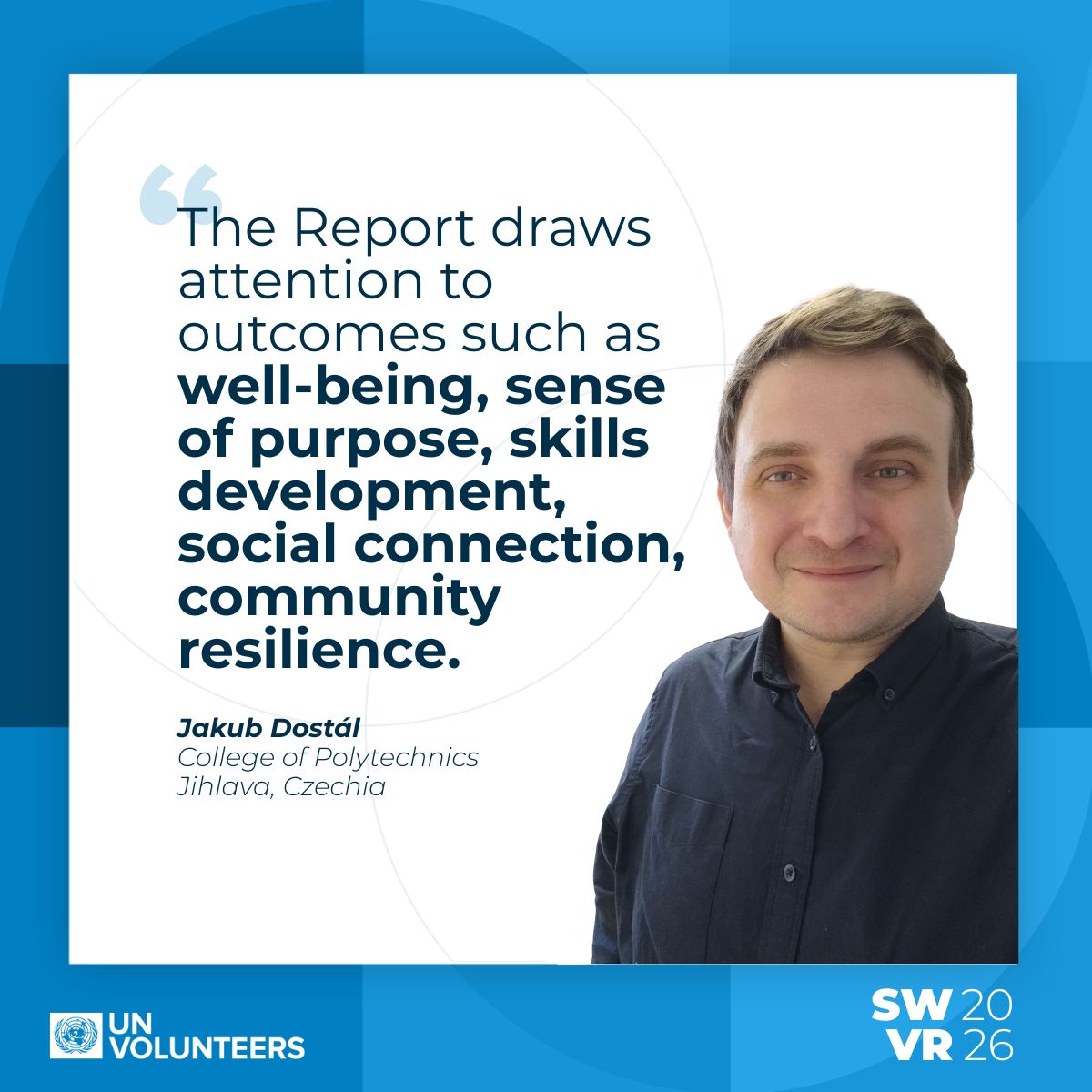
At the same time, the 2026 State of the World’s Volunteerism Report Volunteerism and its Measurements also draws attention to approaches that focus less on money and more on outcomes such as well-being, sense of purpose, skills development, social connection, or community resilience.
But measurement is not the end of the story. Economic thinking can also help us ask broader questions: How do we match volunteers with the right opportunities? How do we design projects that respond to real unmet needs? How do we recruit, support, and retain volunteers well? How do we use limited resources in ways that make volunteering meaningful and sustainable?
Seen in this light, economics is not opposed to volunteering. It is one of the perspectives that can help us understand it more clearly.
And this matters because many people already use these ideas intuitively in everyday volunteer practice, even if they do not call them by their economic names. Giving those ideas a name does not make them less human. It simply helps us think about them more clearly, discuss them more precisely, and use them more wisely.
Economics, of course, should not stand alone. Volunteering also needs sociological, political, ethical, historical, and community-based perspectives. But without economics, we lose an important part of the picture: a language for thinking about resources, trade-offs, incentives, sustainability, and human potential.
If measurement is done well, it does not reduce volunteering to numbers. It helps us better understand what volunteering makes possible, where its limits are, and how we can support it in all its richness and diversity.
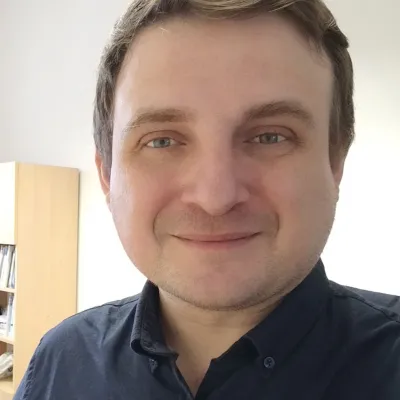
Jakub Dostál, PhD, is from the Department of Economic Studies at the College of Polytechnics Jihlava in Czechia.