



Forget the idea that young people are only beneficiaries of change. Across the world, they are driving it.
Nearly half of the world's population is under the age of 30, making young people one of the greatest forces for change on the planet. On International Youth Day, the stories of young volunteers are a reminder that instead of waiting for the future, young people are already building it. They are responding where others see problems, leading where others see barriers, and proving that age is no barrier to creating change. Let's meet some UN Volunteers whose stories embody the 2026 theme—Different Contexts, Common Aspirations.
How do young people break the silence?
Changing deeply rooted social norms often begins with conversations many people avoid.
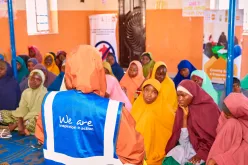
In Maiduguri, Nigeria, Fatima Mai Muhammad and Yafatima Ali, two young UN Volunteers serving with United Nations Population Fund (UNFPA), work directly with women, girls, men, and boys in displacement camps, schools, and host communities. Their field activities focus on sensitive issues such as female genital mutilation (FGM), early marriage, gender-based violence, and sexual and reproductive health. Rather than leading with lectures, they begin by listening, creating safe spaces where community members can speak openly and seek support without fear of judgment.
This youth-led approach is reflected across Africa. During the 16 Days of Activism Against Gender-Based Violence campaign, hundreds of UN Volunteers mobilized communities through school outreach, public discussions, digital campaigns, theatre performances, and youth dialogues designed to challenge harmful practices and promote gender equality.
How do young people bridge gaps?
In Indonesia, Ryan Richard Rihi, a UN Volunteer with UN Women, brings forth the voices of the youth in decisions that affect their lives. As a Programme Coordination Support Officer, Ryan's work has taken him to Kolbano Village in East Nusa Tenggara, where UN Women helps communities with disaster preparedness, inclusion and more.
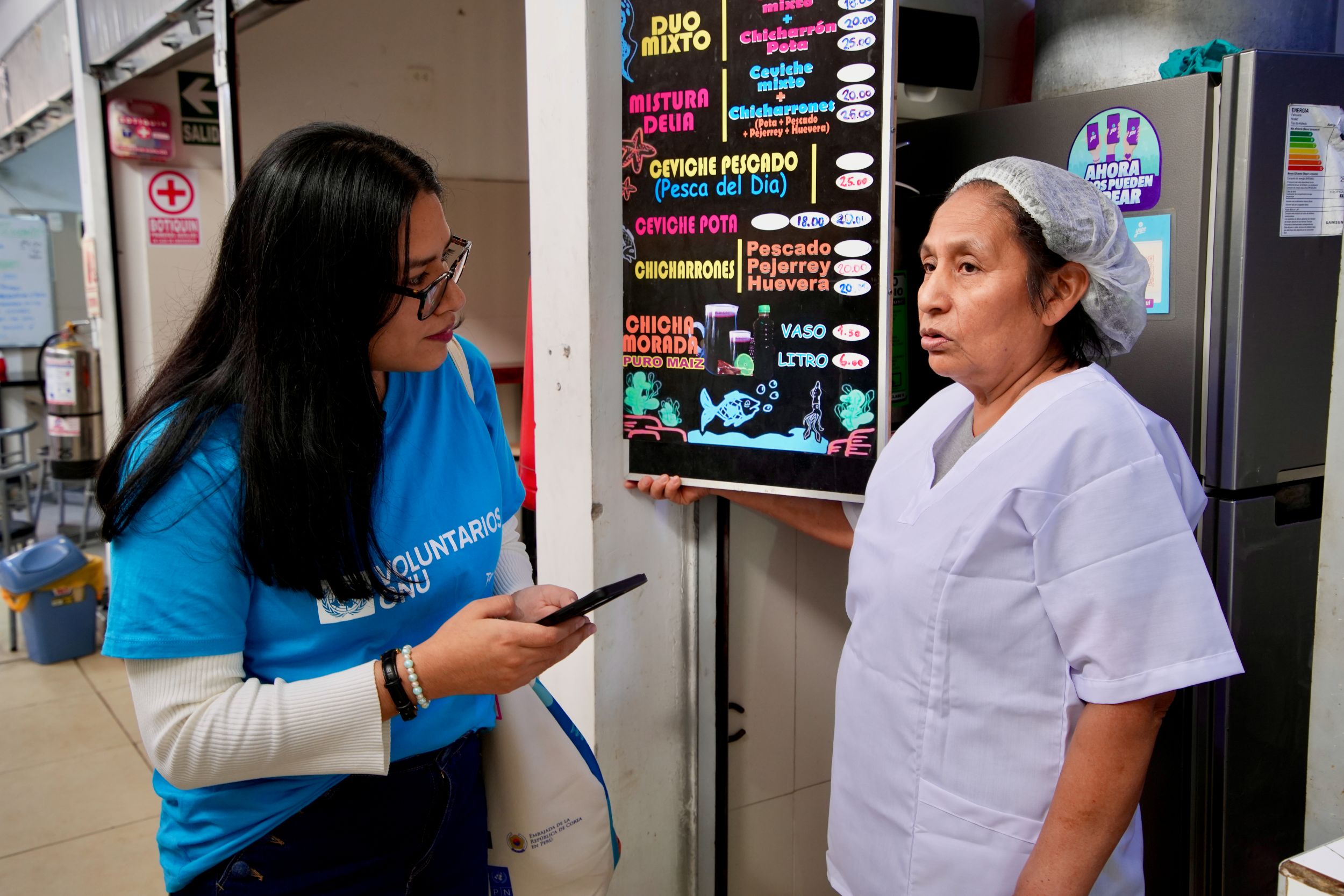
A similar model can be seen in Peru. There, young UN Volunteers participating in the United Nations Development Programme (UNDP) led Innovate Your Market initiative worked directly with market vendors to understand their experiences with digital payments and financial technologies.
Volunteers such as Lara Sacio spent time listening to small business owners, ensuring that the needs of women, older adults, and disadvantaged groups inform future digital finance solutions.
The same spirit is evident in Tunisia, where young UN Volunteers lead projects on restoring the environment, public health, and disability inclusion. From Imen Arbi's work replanting trees in damaged landscapes to Ranim Shili's efforts to build a national network of youth disability advocates, these volunteers are showing that young people are not simply talking—rather, walking the talk.
How do young people hold the line?
Young UN Volunteers are often at the frontlines of crises. In Ukraine, UN Volunteers continue supporting humanitarian and recovery efforts amidst ongoing conflict. Professionals such as Maryna Shalyhina, a volunteer housing specialist with United Nations High Commissioner for Refugees (UNHCR), and Serhii Revenko, who documents damaged cultural heritage sites for United Nations Educational, Scientific and Cultural Organization (UNESCO) using advanced 3D-scanning technology, are helping communities preserve hope, rebuild infrastructure, and recover from the impacts of war.
Beyond disaster zones, young volunteers are also essential to maintaining stability in regions facing chronic insecurity. In the Democratic Republic of the Congo, 22-year-old Angel Bapendi, a UN Volunteer with United Nations Children's Fund (UNICEF)’s Young Champions, builds peace piece by piece. She mobilizes networks of young “U-reporters” to lead vital health awareness campaigns—such as polio vaccination drives—in bustling local markets. By engaging directly with vendors and shoppers, Angel and her peers build community trust and ease underlying social tensions, proving that everyday conversations are a crucial part of peacebuilding.
And how do young people build the future?
The future is not something these young volunteers are waiting for—it's something they are building. Stepping into the toughest challenges, they aren't acting alone. As allies in action, they are alongside communities, local leaders, and partners.
Perhaps the biggest misconception about youth is that their time has not yet come. In reality, it already has.
This content was prepared for the United Nations Peace and Security Allies in Action campaign. To read more, please click here.