Nearly half of Mozambican girls are married before they turn 18, with some as young as 15. The country has the fifth-highest rate of child marriage in the world. Child marriages cut short childhoods, block education, and trap girls in cycles of hardship. Ending child marriage isn’t just about laws—it’s about giving girls real choices and a fair shot at life. Eulália da Gloria Sambo is a UN Volunteer Programme Specialist with the United Nations Population Fund (UNFPA) in Mozambique. Let's hear from Eulália about her efforts to end child marriage.
I come from Inhambane City, a small town in southern Mozambique. I am currently based in Nampula Province, where I have been serving as a UN Volunteer with UNFPA since February 2023.
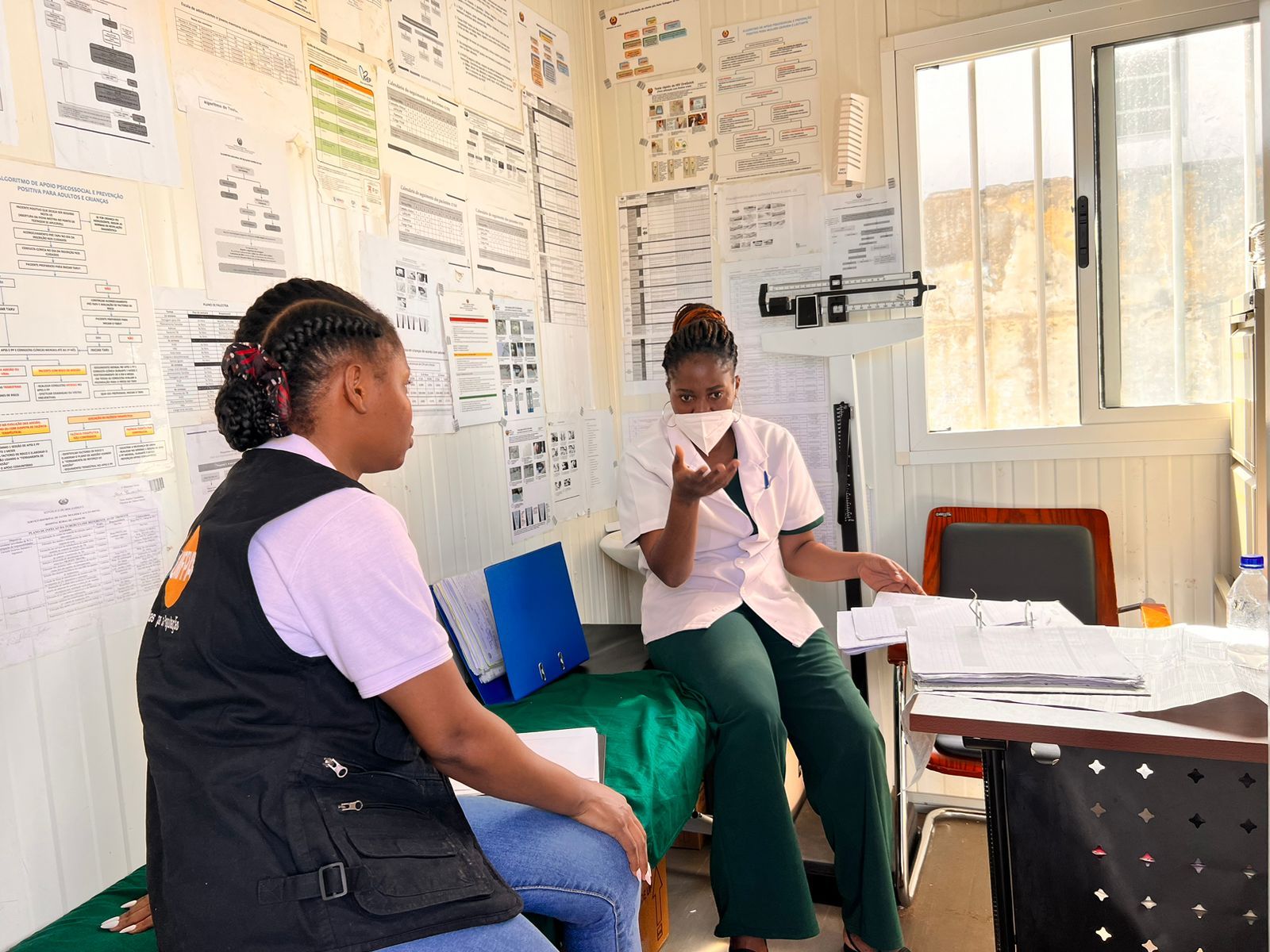
Child marriage impacts far too many girls, far too early in life. I help local partners by offering support and helping organize activities like mentoring, getting children back into school, and improving access to health services, especially those related to sexual and reproductive health.
I also work with survivors—girls forced into early marriages or impacted by gender-based violence, and support them in finding solutions for their futures. There are several programmes through which I participate, such as Rapariga Biz and the Global Programme to End Child Marriage. The reach of these programmes extends across Nampula and Zambezia provinces of Mozambique.
Some days I’m in government offices. Other days, I’m deep in the field, coordinating dialogues with young people or leading health outreach in rural communities.
No two days are the same, but the mission never changes: ensuring every girl has the freedom to make her own decisions.
The work is layered. Sometimes it is joyful, especially when we see girls return to school or speak up during community sessions. Other times, it is hard. When I first joined, I found it challenging to grasp how the different parts of the UN system work together, especially during emergency responses in the north of Mozambique, where escalating violence and displacement heighten the risks girls face. It felt overwhelming. But I leaned on teammates and asked for guidance. The gender based violence focal point with UNFPA was especially helpful in walking me through the complexities. Slowly, I gained confidence. Now, I am often the star of the team.
My supervisor once shared with colleagues, “Eulália is more than a technical support specialist. She brings heart, insight, and deep local understanding to the work. Her guidance has helped improve how we deliver services to girls in some of the most remote areas. She is a role model and a bridge between communities and the system meant to serve them.” That stayed with me. Because that is what I try to be—a bridge.
I’ve had many powerful moments working with communities, but one girl’s journey stays with me. She had just been pulled from an early marriage when I helped her join one of our mentorship sessions. At first, she barely spoke. Today, she leads youth dialogues in her village, using her voice to protect others from the path she once faced. Her transformation, from silence to leadership, is the exact change we, the volunteers, strive to achieve.
So I say, volunteering with the United Nations is not always easy. But it has meaning. For me, it has helped me bring together my background as an activist, my academic work—I am currently pursuing a Master’s degree in Women’s Studies—and my desire to contribute to real and grounded solutions.
As a UN Volunteer, I often do not feel like I work. Rather, I contribute. My lessons on creating change: you do not have to start big. Follow your values. Get involved. Learn. Connect. I found my way not by knowing everything, but by showing up, listening, and trying. Because every day I am reminded that change starts where people are.