



I come from Cameroon—a place where conflict often casts young people as troublemakers. But I never accepted that narrative. I believed, and still believe, that young people can be peacebuilders. Today, as a UN Volunteer serving as a Human Rights Officer with the United Nations Mission in South Sudan (UNMISS), I live that belief every single day.
In South Sudan, I serve in Central Equatoria State, in the counties of Yei, Morobo, Lainya and Kajo-keji. These are communities that have lived through years of conflict. People here wake up each day facing threats that should never be normal: killings, abductions, sexual violence, cattle raids, looting of homes, and arbitrary arrests. The danger is constant. Yet people still hope. They want safety. They want dignity. They want peace.
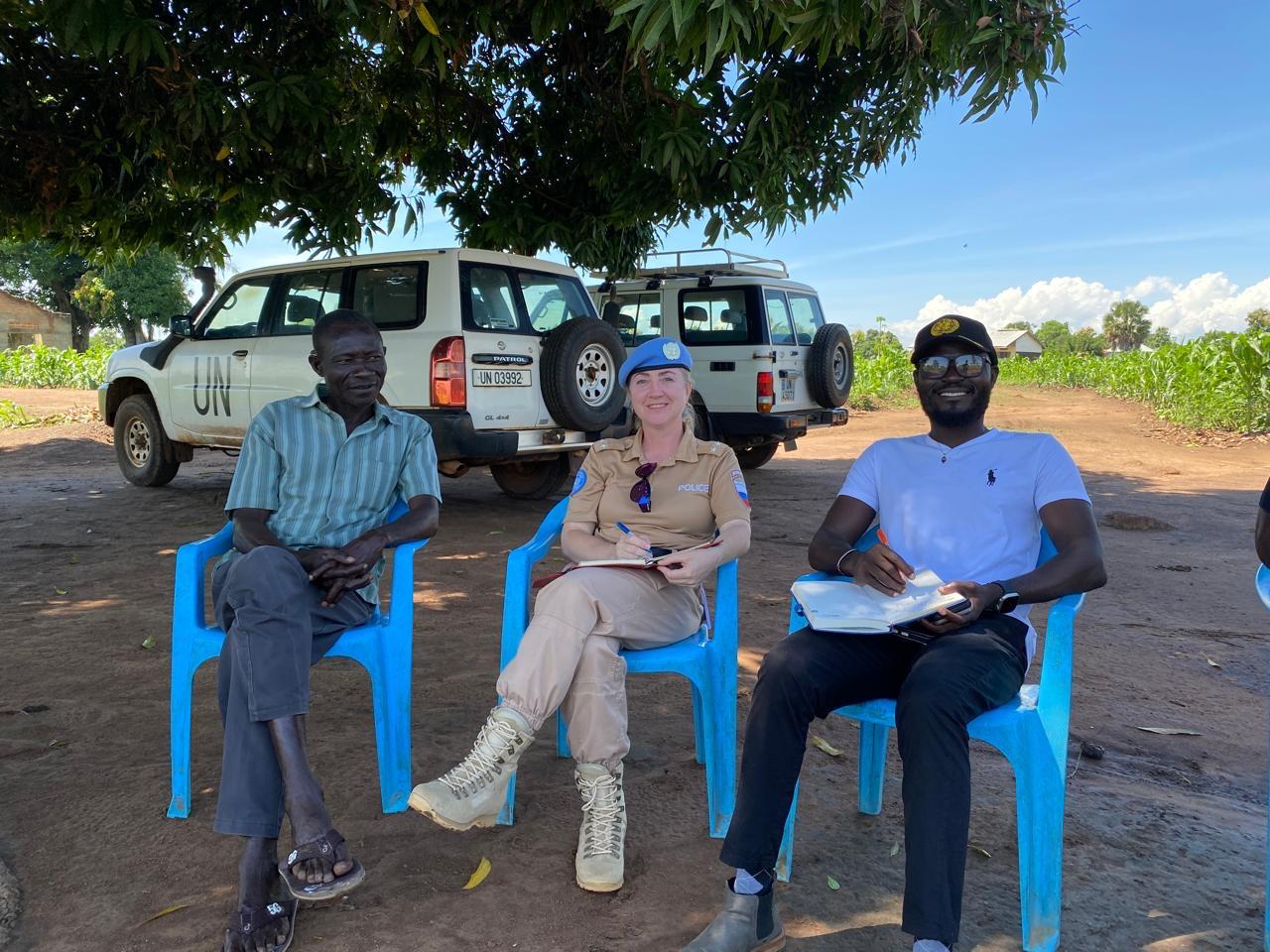
My responsibility is to help protect and promote their rights. Every day I monitor, investigate and report violations. I speak with survivors, families, chiefs, and leaders. I talk with the police and the military. I work with civil society groups, youth and women’s associations, and with other UN colleagues and humanitarian organizations.
This is not only about documenting abuses. It is also about building trust. I spend time in communities explaining rights and responsibilities in simple, practical terms. I sit with women who share their pain, with young men who feel lost, and with elders who fear for their families. These conversations lead to small changes. And small changes matter here.
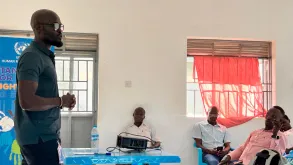
One example is the community awareness sessions I recently helped organize. People began to speak more openly about violations. They learned where to seek help. Some traditional leaders took stronger action against harmful practices. Survivors who once stayed silent started to demand accountability. Slowly, institutions became stronger. Social ties began to heal.
The impact is visible. Fewer people feel completely powerless. More people understand that their voices carry weight. And with that comes a little more stability, a little more hope.
My supervisor at UNMISS, Arthur Beingana, often reminds me: “Peace is a solid structure of absolute beauty. Rushing over it achieves nothing, but one block at a time takes you there.” I hold on to those words when progress feels too slow. And when there are risks everywhere. Such as traveling to remote villages and passing through areas where armed groups are active. Cultural sensitivities require patience. Listening to stories of violence leaves deep marks on the heart. But I have learned resilience. I remind myself why I am here. I remind myself that even small actions leave footprints.
From a childhood in Cameroon where peace was just a word, to this work in South Sudan, shows another side of what young people can be. We can be advocates. We can be defenders. We can be builders of peace.
Volunteering has changed me as much as it has changed the communities I serve. When I first arrived, I doubted myself. I wondered if I had anything to offer. But the warmth of the people, their willingness to embrace me, showed me otherwise. Their trust gave me confidence. Today, I feel a deeper sense of purpose. I have gained skills, experience, and knowledge. But more importantly, I have shared priceless moments of solidarity with communities I serve.
The people I work with are stronger now. They are more aware of their rights. They are more united. Their institutions are more responsive. The resilience they show inspires me to keep going.
This year, as I reflect on my volunteer assignment, I think of what peace actually means. Does it mean giving up comfort to stand with others in their hardest moments? Or does it mean choosing solidarity over distance? For me, it means remembering that the struggles of a mother in Yei, or a child in Kajo-keji, and knowing that their struggles are not theirs alone—they are ours too.
I want to say to anyone who cares about taking action and making a difference for humanity: you are not powerless. You can volunteer, support, advocate, or simply stand in solidarity with people who are struggling. Every action matters. One of the greatest ways to find peace in yourself is to work for peace in the lives of others. That is why I am here. That is why I will keep serving.
And to world leaders, I say: end the conflicts that force humanitarians to risk their lives. Protect those who serve. Protect the people they serve. Peace begins with you, me, us!
For more information about UN Volunteer assignments and how you can get involved, click here. To read our stories, click here.