



“We are not just numbers or headlines. We are people: mothers, fathers, children—trying to survive and protect one another in impossible conditions. The world must see us, hear us, and stand with humanity. Support humanitarian work. Advocate for safe access. And most importantly, don’t let Gaza be forgotten.” Twenty-seven-year-old Tasneem Aboalkomboz, a general physician, shares the realities of serving as a UN Volunteer in the besieged coastal strip. Tasneem is from Gaza and started her assignment with the United Nations Development Programme (UNDP)’s Programme of Assistance to the Palestinian People as a Project Coordinator Assistant on 5 June 2025.
“The levels of death and destruction in Gaza are without parallel in recent times. Day after day, our efforts are being blocked, delayed, and denied. This is unacceptable.” UN Secretary-General António Guterres says, while highlighting the clear obligations for the occupying power, Israel. He calls Gaza a man-made disaster, a moral indictment, and a failure of humanity itself. “People are starving. Children are dying. And those with the duty to act are failing. No more excuses. The time for action is not tomorrow—it is now.”
Tasneem is working in the context the UN has described as a failure of humanity—a place where starvation is engineered, hospitals are bombed, and children die not because help is impossible, but because help is being denied. But she continues—walking through rubble, offering care with bare hands, and standing firm in the face of horror.
She shares.
“I combine medical knowledge with hands-on humanitarian work—especially during emergencies—to make sure people and teams get the support they need. My role changes based on what’s most urgent, but it always includes organizing efforts, being present in the field, and helping others understand health issues. I help connect UNDP teams with local groups responding to crises, keep track of health-related aid activities, and collect field data to guide planning for communities in need. I also give basic medical help and clear health advice to people—whether in shelters or hard-hit neighbourhoods, and also help organize aid deliveries.
My medical background helps me spot health risks. I work with a larger team to organize health-related projects and build partnerships with outside groups. I also keep track of what hospitals in Gaza need and balance their urgent demands with the limited money we have. Many of these hospitals are close to shutting down—some departments can’t even offer basic medical care and urgently need repairs.
I realize I am just beginning my journey, but I am already starting to feel the fulfillment of extending help to others. I’ve reached over 300 people through direct support. Most were displaced families, elderly patients, and children crammed into shelters with barely any access to care.
One of the hardest moments was meeting a mother who lost her newborn. She gave birth in a tent, alone, without medical help. Her grief was crushing. That moment showed me how vital our work is—and how powerless we can be under siege and shortages.
I also keep seeing children who are malnourished and elderly people suffering from untreated illnesses. These are conditions we could prevent, but they’re getting worse because people are displaced and supplies are running out."
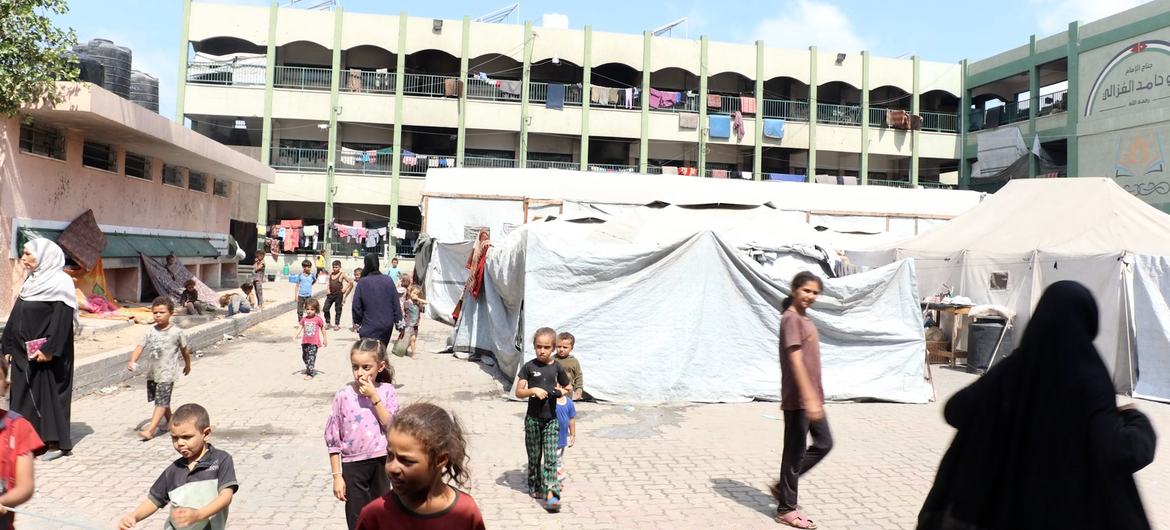
Tasneem voices the loud pleas of everyone around her, pleas that bombs try to mute but are not able to. Pleas that are reaching decision-making tables— but without success.
"Working during war means we are constantly under pressure, emotionally and physically. Mental exhaustion, both from the intensity of the stories we witness and the fear for one’s safety.
Every day in Gaza, we face brutal obstacles. Power and fuel shortages cripple transport, cut off communication, and shut down medical equipment. Reaching remote or bombed-out areas is nearly impossible. We’re running out of basic medical supplies, and the care we can offer is falling apart.
Life here isn’t just hard—it’s nearly unliveable. Even getting online is a struggle. I often have to go to public spots just to connect, knowing they could be hit by airstrikes at any moment. Holding meetings means finding a safe place and a way to get there, which is nearly impossible with fuel running dry and prices soaring. Sometimes, I walk for hours under the burning sun, exhausted, hungry, and surrounded by shortages. This is the reality we work in. And we keep going—because people need us.
It’s difficult to stay focused when fear is always in your head—fear of bombs, of losing loved ones, of getting hurt in a place with barely any working hospitals or being forced to flee. These threats wear you down. Hope fades. Everything smells like death. The sound of bombings never stops. And the cries of children, mothers, and families echo through it all. This is Gaza. This is daily life.”
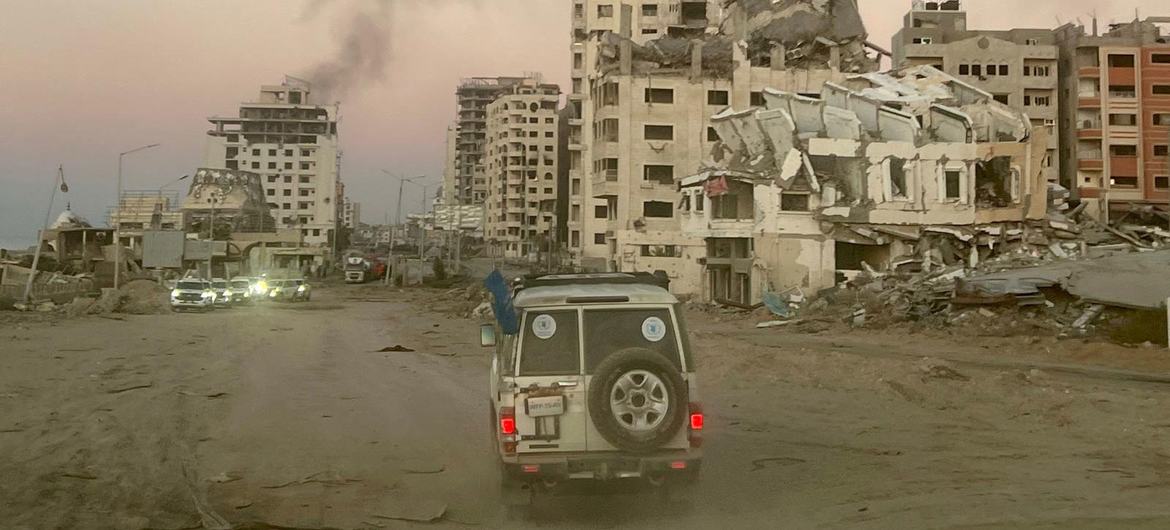
“In Gaza, just surviving is an act of resistance. Every time we help someone, every time we show care, it’s a stand against despair. Against the silence. Against the destruction.”
Tasneem’s words from Gaza are not just testimony—they are a cry for dignity in the face of devastation. Her voice cuts through the rubble, through the silence of indifference, and demands to be heard. Because in Gaza, every breath taken, every life saved, every moment endured—is a refusal to be erased.
This story was published by the UN Department of Global Communications Peace and Security.
For more information about UN Volunteer assignments and how you can get involved, click here. To read our stories, click here.