Journey from Kharkiv to Hope

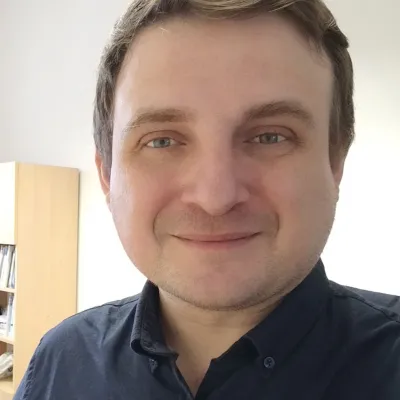
I was born and raised in Kharkiv, Ukraine—a city I loved very much. At 16, my life revolved around school and my passion for archery. But in 2014, everything changed. War crept closer to my home, filling the air with uncertainty and fear. It became clear that it wasn’t safe to stay, so I made the tough call to move to Poland. The hardest part? Leaving behind my anchor—my family. Their support was everything. But suddenly, that support system only existed through a screen. No more warm hugs, no more shared meals, just phone calls and messages that never quite replaced their presence.

When I first arrived in Poland, I felt alone, as if I had stepped into a world where I didn’t belong. The language barrier made everything more difficult—making friends, understanding lessons, and even simple conversations. I was afraid to speak, afraid people would laugh at my mistakes. But when I finally worked up the courage, I was met with kindness. People didn’t mock me; they encouraged me. This gave me the motivation to keep learning, to keep trying, and to believe that I could find my place in this new world. 

Not just speeches and saplings

When people think of youth in climate action, the image that often comes to mind is of tree-planting campaigns or passionate speeches on global stages. Rarely do they think of someone like Afryandani Mentari Sidabutar, sitting at her desk, coordinating with ministries, updating documents, and helping ensure meetings run as planned. Her interest in joining as a UN Volunteer grew from her passion for the development sector, especially environmental issues. She has long been involved in volunteering with environment-focused communities, which made this role a natural fit.

Afryandani, known as Afry, is a Project Clerk with the United Nations Development Programme (UNDP) Climate Promise project in Indonesia.

Even though I’m not on the front lines planting trees or delivering speeches, I know that every contribution I make, allows those impactful actions to be fulfilled efficiently.”

Executive Coordinator presents UNV 2024 results to the Executive Board

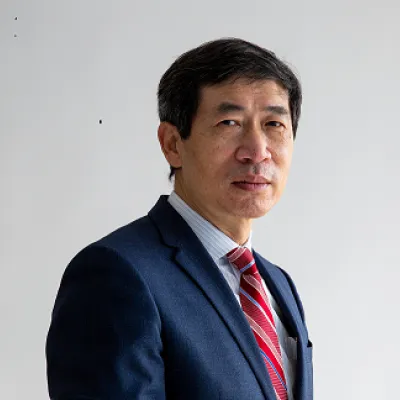
Toily Kurbanov, Executive Coordinator of United Nations Volunteers (UNV) presented the 2024 Annual Report of the Administrator at the Executive Board in New York on 5 June 2024. The Executive Board consists of the United Nations Development Programme (UNDP), the United Nations Population Fund (UNFPA) and the United Nations Office for Project Services (UNOPS).

Distinguished Delegates,

It is always an honour to address the Executive Board. Though I must confess—summarizing the annual report of United Nations Volunteers is a bit like trying to tweet War and Peace. But I will try to do it justice. I also look forward to your guidance and questions from the board members and the observing delegations afterward. 

Community volunteers support Yemen’s water lifeline

Yemen is running dry—and fast. With scarce rainfall and strained water systems, communities are facing shrinking harvests, exacerbating food insecurity. In response, the United Nations Development Programme (UNDP), with support from the German Federal Ministry for Economic Cooperation and Development and KfW Development Bank, launched the Integrated Water Resources Management to Enhance Resilience of Agriculture and Food Security project. United Nations Volunteers (UNV) in Yemen is supporting this project by recruiting Yemeni nationals as UN Community Volunteers.

In Al-Mawaset and Al-Selw districts in Taiz Governorate and Al-Mosymer and Tuban districts in Lahj Governorate, UNV is encouraging local community volunteers to take the lead, working part-time on this environmental initiative. 

In March 2025, UNDP Yemen brought four part-time UN Community Volunteers on board—one for each district—to serve as a link between project teams, contractors, and local communities.

"Use it up, wear it out, make it do, and do without"

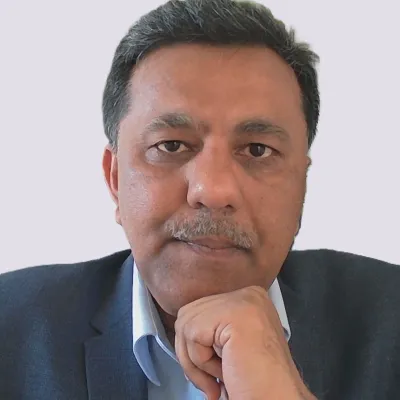
Efforts matter. Actions, no matter how small, count. A message from Khalid Badr, who is making the United Nations Assistance Mission in Afghanistan (UNAMA) greener. How does he do that?  By improving how waste is managed in UN compounds. In Afghanistan, where conflict and climate change threaten already fragile ecosystems, sustainable solutions are urgently needed. Since March 2022, Khalid, an Environmental Engineer from Sudan and UN Volunteer with UNAMA has been working towards reducing the mission’s environmental footprint. 

Khalid's efforts align with global best practices and support the Sustainable Development Goals—especially SDG 12 on responsible consumption and production, and SDG 15 on protecting life on land. 

In his volunteer assignment as an Environmental Officer, he has successfully included sustainability into the culture at UNAMA—treating it not just as a target, but as a way of thinking.