



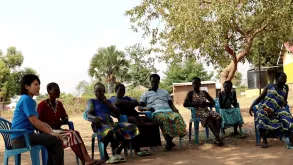
When Kei Tanaka arrived at the UN Refugee Agency (UNHCR) field office in Uganda as an Associate Livelihood and Economic Inclusion Officer, there was no confirmed budget for livelihood activities. Her task was clear: expand economic opportunities for refugees and host communities.
“I proactively engaged external stakeholders, including the Japan International Cooperation Agency (JICA) and private sector partners, to explore collaboration,”
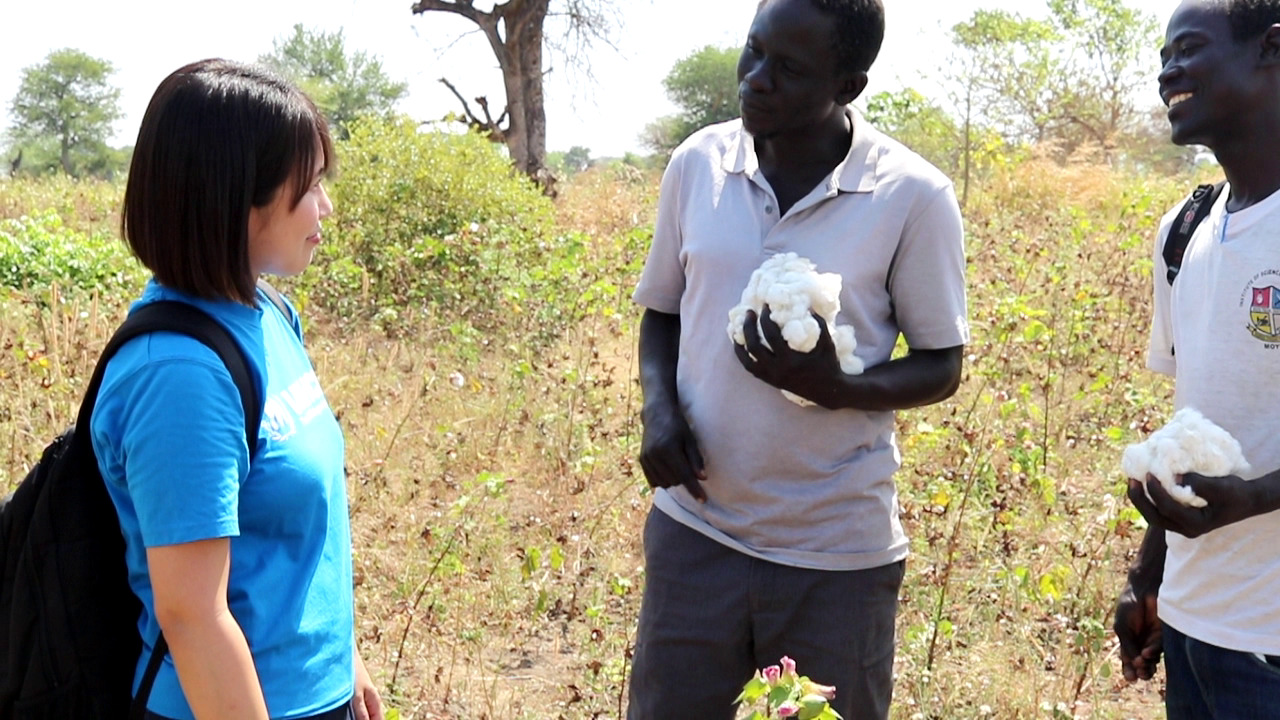
Kei secured partnerships that brought a JICA rice project and a private-sector cotton value chain into the refugee settlement. She now works with 17 partners—NGOs, businesses, and local authorities—to reach the most vulnerable with limited resources. In practice, that means working side by side with communities, supporting farmers, and helping refugees move from small, informal work into joining formal agricultural markets.
“My UNV assignment has clarified my commitment to sustainable livelihoods,” Kei reflects. “It reinforced my understanding that effective market integration is essential for self-reliance. Displacement is not only a humanitarian issue; it represents an under utilised economic potential.”
Kei’s UN Volunteer assignment is made possible through a UNV funding partnership with JICA that places Japanese nationals in the United Nations system to support peacebuilding and development. After she completes her assignment, she plans to continue working with vulnerable communities. “I aim to support initiatives that enable underserved communities to become active participants in local economies, linking women, youth, and refugees to sustainable value chains.”
This story was originally published on the UNV Tokyo page.
For more information about the UNV and Japan partnership, please click here.